



Best Sunscreen for Kids with Dry Skin: A Parent's Decision-Tree Guide
If your child's skin turns tight, flaky, or red the moment you apply sunscreen, you're not imagining it — and you're definitely not alone. Many regular sunscreens are built around oil-control and matte finish, which is exactly the wrong formula for a child already dealing with kids dry skin. The good news: the right sunscreen doesn't just protect from the sun — it can actively support a dry, sensitive skin barrier instead of stripping it further.
This guide walks through what dry skin actually looks like in kids, what's usually causing it, and a simple decision tree to help you figure out whether it's a home-care fix or a doctor-visit situation — plus which best sunscreen for dry skin actually helps rather than hurts.
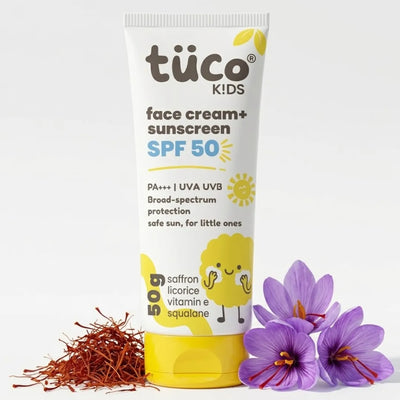
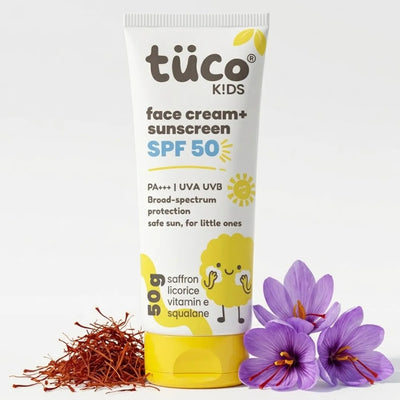
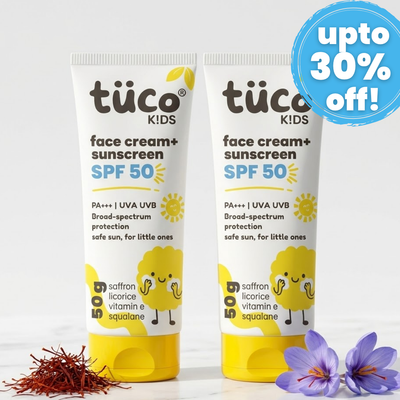
Quick tip: If your child's skin already feels tight or flaky, start with the Tuco Kids Dull Face Kit SPF 50 — it pairs sun protection with hydrating actives instead of leaving skin drier.

In this article:
TL;DR — Best Sunscreens for Dry Skin at a Glance
| Ingredients | Tuco Product Solution | Key Product Features | Age-Wise Recommendation |
|---|---|---|---|
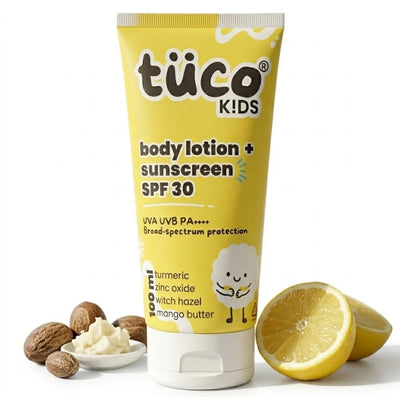
| Zinc oxide, shea butter, aloe vera, glycerin | Sunscreen for Kids SPF 30 | Cream-based, non-drying, everyday hydration + protection | 3–15 years (mild-to-moderate dryness) |
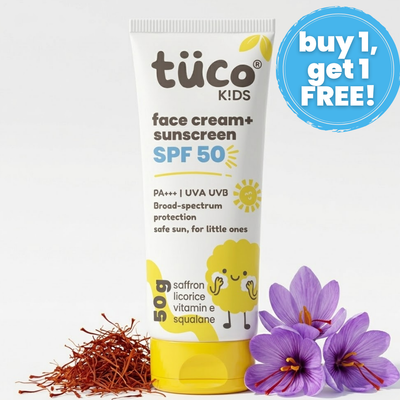
| Zinc oxide, moisturizing base, broad-spectrum | Sunscreen for Kids SPF 50 | Higher protection with a richer, hydrating texture | 5–15 years (dry skin + high sun exposure days) |
| Licorice root, niacinamide, vitamin C | De-Tan Kit | Evens out patchy tone that dry, sun-exposed skin often develops | 6–15 years (post-exposure tone correction) |
| SPF 30 + hydrating 3-step regimen | 3-in-1 Dull Skin Kit SPF 30 | Cleanse, protect & repair — built for dull, dry-prone skin | 4–15 years (recurring dryness & dullness) |
| SPF 50 + hydrating face cream + gentle cleanser | Dull Face Kit SPF 50 | Full daily routine for chronically dry, flaky skin | 5–15 years (persistent dry skin) |
What Dry Skin Actually Looks Like in Kids
Dry skin shows up differently depending on severity. Here's what to look for:
- Mild: Slightly rough texture, occasional tightness after a bath, no visible flaking.
- Moderate: Visible flaking on cheeks, elbows, or shins; skin looks dull or ashy; mild itchiness.
- Severe: Cracked or bleeding patches, persistent redness, intense itching that disrupts sleep or play — this level usually needs professional input, not just a cream swap.
Sunscreen tends to make mild and moderate dryness more visible — a gel or alcohol-heavy formula can highlight flaking within minutes of application, which is often the first sign parents notice something's off.
Common Causes of Dry Skin in Kids
- Weather shifts — dry winter air or strong AC exposure pulls moisture from a child's thinner skin barrier faster than an adult's.
- Hot baths and harsh soaps — sulfate-heavy body washes strip natural oils, especially with daily hot-water baths.
- Sun and wind exposure — outdoor play without protection dehydrates the skin's surface over time.
- The wrong sunscreen formula — mattifying or alcohol-based sunscreens (often marketed for "oily skin" or quick absorption) can worsen an already dry barrier.
- Underlying skin conditions — eczema or keratosis pilaris can present as chronic dryness and usually need a dedicated treatment plan alongside daily skincare.
Decision Tree: Home Care or Doctor Visit?
Occasional tightness after bath time, no flaking or redness: Switch to a fragrance-free moisturizer and a cream-based, hydrating sunscreen. No further escalation needed.
Visible flaking, dullness, mild itch that comes and goes: This usually responds well to a consistent hydrating routine — cleanser, moisturizing sunscreen, and a gentle night cream over 1–2 weeks.
Dryness that keeps returning in the same spots (elbows, behind knees, cheeks) despite a good routine: This pattern is worth mentioning to a pediatrician — it can point to eczema or another condition that benefits from targeted treatment alongside daily skincare.
Cracked skin, bleeding, oozing, or intense itching disrupting sleep: Stop new products and see a doctor — this level of severity needs a diagnosis and possibly a prescription treatment, not just a moisturizer switch.
First-Line Home Remedies
- Shorten bath time to 10 minutes and use lukewarm, not hot, water — hot water is one of the fastest ways to strip natural oils.
- Moisturize within 3 minutes of bathing, while skin is still slightly damp, to lock in hydration.
- Switch to a sulfate-free body wash instead of a foaming, fragranced soap.
- Use a humidifier in the bedroom during dry winter months or heavy AC use.
- Layer a hydrating sunscreen over moisturizer during the day, rather than skipping SPF because skin feels dry — the two aren't in conflict when the formula is right.
 Best Sunscreen Ingredients for Dry Skin
When you're comparing options for sunscreen for dry skin, these are the actives worth prioritizing:
- Zinc oxide: A mineral filter that sits on top of skin rather than being absorbed, and doesn't dry out the surface the way some chemical filters can.
- Shea butter: Rich in fatty acids that help rebuild a compromised skin barrier while providing SPF protection.
- Glycerin: A humectant that pulls moisture into the skin, keeping a cream-based sunscreen from feeling tight or drying.
- Aloe vera: Soothes any existing irritation while the sunscreen does its job.
- Niacinamide: Helps strengthen the skin barrier over time, useful for kids with recurring dry patches.
Quick scan tip: if a sunscreen for dry skin lists "cream" or "lotion" on the label rather than "gel" or "matte," it's usually formulated with more hydrating actives.
Ingredients That Make Dry Skin Worse
- Alcohol (denat.): Common in gel and spray sunscreens for a quick-absorbing feel — but it evaporates fast and takes moisture with it.
- Synthetic fragrance: Can irritate an already-compromised skin barrier and trigger further dryness or redness.
- Sulfates in matching body washes: Not in the sunscreen itself, but often used alongside it — worth swapping together.
- Oil-control or "mattifying" claims: A signal the formula is designed to reduce shine, which typically means less hydration, not more.
A mineral sunscreen for dry skin built around zinc oxide and cream-based hydrators generally works better for kids than lightweight, mattifying formulas made with adult oily-skin routines in mind.
 FAQs
FAQs
Which sunscreen is best for dry skin in kids?
Look for a cream-based, mineral (zinc oxide) sunscreen with hydrating actives like shea butter, glycerin, or aloe vera, rather than a gel or matte formula.
Why does my child have dry skin even though we moisturize daily?
Common culprits include hot baths, harsh soaps, dry indoor air from AC or heaters, and sunscreens or products with alcohol or fragrance that counteract the moisturizer.
Is a gel sunscreen bad for dry skin?
Gel sunscreens often contain alcohol for a quick-absorbing finish, which can dry out already-flaky skin further. A cream or lotion sunscreen is generally the better fit.
What is dry skin in kids sometimes mistaken for?
Persistent dry, flaky patches — especially behind knees, elbows, or on cheeks — can sometimes be early eczema rather than simple dryness. If a good moisturizing routine doesn't help within two weeks, it's worth checking with a pediatrician.
Can sunscreen actually help with dry skin instead of worsening it?
Yes — a well-formulated, hydrating sunscreen protects skin from further sun-related dehydration while adding moisture, rather than stripping it.
How often should I apply sunscreen on my child's dry skin?
Apply generously in the morning and reapply every two hours during outdoor time, or after swimming and heavy sweating.
What soap should I use for a child with dry skin?
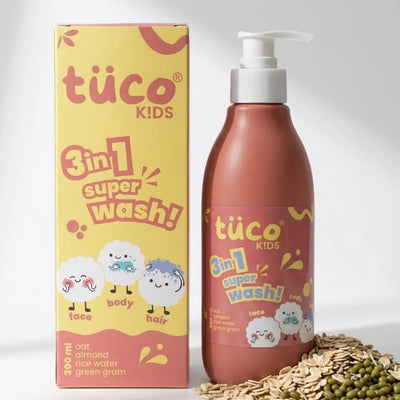
A sulfate-free, fragrance-free cleanser is best — foaming, heavily scented soaps tend to strip the natural oils dry skin needs to hold onto.
Does dry skin in kids get worse in summer or winter?
Both seasons can trigger it — winter through dry indoor air and cold wind, summer through sun exposure and strong AC use. A consistent moisturizing and sunscreen routine helps year-round.
Related Reads
- Best Sunscreen for Kids in India: SPF 30 vs SPF 50 — What Really Protects Your Child
- Sunscreen for Babies and Toddlers (0–2 Years): What's Actually Safe to Use in India
- Does Sunscreen Block Vitamin D in Kids? What Indian Parents Should Know
- Best Sunscreen for Girls with Sensitive Skin: Gentle Care for Every Sunny Day
- What PA Ratings Mean in Sunscreen and When PA++++ Makes a Difference
- Which SPF Sunscreen Is Best for Teenage Girls?