



Teenage Skincare Routine for Winter: A Complete Guide
Teenage skin is already in flux with hormones, and winter adds dryness to the mix. A sensible teenage skincare routine in the cold months is simple: gentle cleansing, a proper moisturiser and sun protection. More steps and stronger products rarely help and often cause trouble.
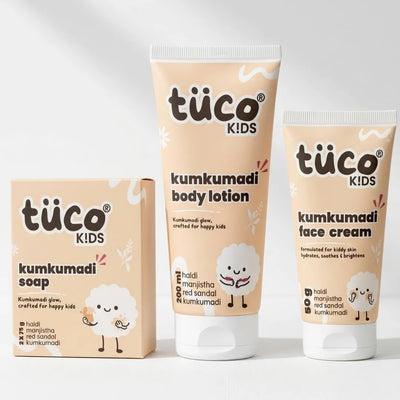
This guide gives a straightforward routine, explains how to handle acne and dryness together and flags mistakes to avoid. For ages 13 to 15, Tuco Kids' Kumkumadi Kit offers a soap, lotion and face cream in one set.
Shop 3-in-1 Kumkumadi Kit

Contents
- The Routine at a Glance
- Why Winter Is Tricky for Teens
- Cleansing
- Moisturising
- Acne and Dryness Together
- Sun Protection
- Body, Hands and Lips
- Common Mistakes
- Teen Skincare Myths
- Lifestyle Factors
- Talking to Teens About Skin
- Routines for Different Skin Types
- Quick Decision Guide
- When to See a Doctor
- FAQs
- Related Reads
The Routine at a Glance
| Step | Morning | Evening |
|---|---|---|
| Cleanse | Splash or gentle wash | Gentle wash |
| Moisturise | Light face cream | Richer face cream |
| Protect | Sunscreen | — |
| Body | Lotion after shower | Lotion after shower |
Why Winter Is Tricky for Teens
Hormonal changes make teen skin oilier and more acne-prone, while cold air and hot showers strip moisture. The result is skin that can be both oily and tight at once, which confuses many teenagers into using harsher products.
Respecting both realities leads to a gentler routine: control oil without stripping, and moisturise without clogging.
Cleansing
Wash twice a day with a gentle, fragrance-light cleanser and lukewarm water. Avoid scrubs, harsh exfoliants and hot water, which damage the barrier. Pat dry rather than rubbing.
After sports or heavy sweating, rinse the face and change out of sweaty clothes.
Moisturising
Even oily skin needs moisture. A light, non-comedogenic face cream in the morning and a slightly richer layer at night protect the barrier. Apply while the skin is still slightly damp.
Use body lotion after showers, especially on arms and legs, and keep hand cream in the school bag.
Acne and Dryness Together
Many acne treatments dry the skin, so add them gradually and moisturise well. Avoid mixing multiple actives. Do not pick spots, which causes scarring.
If acne is persistent, painful or leaving marks, see a doctor rather than escalating products.
Sun Protection
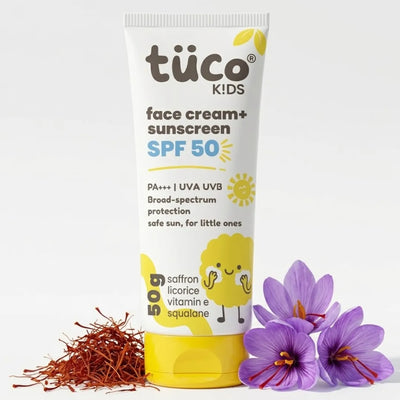
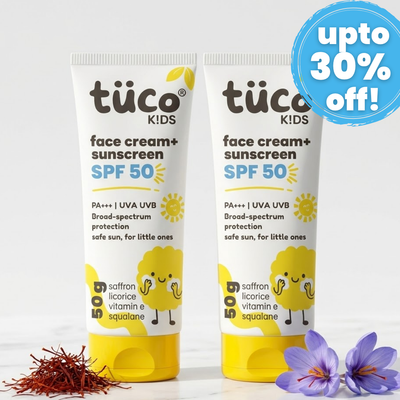
Winter sun still matters, particularly at altitude or on sunny days. A broad-spectrum sunscreen in the morning protects against sun damage and helps prevent dark marks after acne.
Choose a light, non-greasy formula that your teen will actually wear.
Body, Hands and Lips
Lips, hands and shins dry fastest. Keep a balm and hand cream accessible, apply lotion after showers and keep showers short and lukewarm.
Drinking water, eating a balanced diet and sleeping enough support the routine from the inside.
Common Mistakes
Over-washing, scrubbing, hot showers, skipping moisturiser and copying elaborate social-media routines are the frequent culprits. Another is changing products too fast.
Keep it simple, give products a few weeks and ask a doctor if problems persist.
Teen Skincare Myths
Myths include that more products mean better skin, that tight skin means clean skin, and that oily skin does not need moisturiser. In fact, tightness signals a stressed barrier, and moisturiser helps control oil in the long run.
Another myth is that sunscreen is only for summer. UV exposure continues in winter, particularly at altitude or on bright days.
Lifestyle Factors
Sleep, hydration, a balanced diet and managing stress all affect skin. Change pillowcases regularly, wash sports gear and keep hands off the face. Encourage regular showers after sport.
Screen time can cut into sleep, so set a sensible bedtime for devices.
Talking to Teens About Skin
Teens can be sensitive about their skin. Approach conversations with empathy, offer simple options and let them choose products within safe limits. Avoid comments that increase self-consciousness.
If skin concerns are affecting mood or confidence, take them seriously and consider talking to a doctor.
Routines for Different Skin Types
Dry skin does best with a cream cleanser and a richer moisturiser. Oily skin prefers a gel cleanser and a light, oil-free lotion. Combination skin can use a light cream on the cheeks and a gel on the forehead and nose. Sensitive skin needs fragrance-free products and fewer steps.
Teen boys and girls follow the same principles; shaving adds a need for a soothing, fragrance-free aftershave moisturiser. Whatever the skin type, patch test new products and introduce one at a time so you can spot a reaction.
Quick Decision Guide
- Skin tight and flaky? → Moisturise more and shorten showers.
- Oily with breakouts? → Gentle cleanser plus light moisturiser, no harsh scrubs.
- Painful or scarring acne? → See a doctor.
- Red, itchy patches? → Consider eczema and see a doctor.
When to See a Doctor
See a doctor or dermatologist if acne is painful, cystic or scarring, if skin is red, itchy and patchy, if over-the-counter care has not helped after two to three months, or if skin issues are affecting your teenager's confidence or mood.
FAQs
What is a good teenage skincare routine for winter?
Gentle cleanser, moisturiser, sunscreen and body lotion, kept simple.
Do teens need moisturiser if they have oily skin?
Yes, a light moisturiser protects the barrier.
Should teens use sunscreen in winter?
Yes, especially on sunny days or at altitude.
How often should teens wash their face?
Twice daily and after heavy sweating.
Are scrubs good for teen skin?
No, they can damage the barrier and worsen acne.
Can hot showers cause dry skin?
Yes, hot water strips oils.
When should a teen see a dermatologist?
When acne is painful or scarring or over-the-counter care fails.
Is Tuco Kids suitable for teens?
Our 3-in-1 Bath Kit is labeled for ages 3 to 15.