



Teen Skincare Routine for Winter
A genuinely effective teen skincare routine for winter looks noticeably different from what worked in warmer months — and different again from a younger child's routine, since teen skin is dealing with its own set of hormonal and environmental factors at once.
Tuco Kids tip: A simple, consistent routine beats an elaborate one most teens won't stick with — start with the basics and build from there.
Contents
- Quick Comparison: Tuco Products for Teen Winter Skin
- Why Teen Winter Skin Needs Its Own Approach
- Skincare Routine Order: What Goes First
- Why Breakouts Sometimes Worsen in Winter
- Choosing a Cleanser for Winter
- Yes, Oily Skin Still Needs Moisturizer in Winter
- Building a Routine Teens Will Actually Stick To
- Does Winter Skincare Still Need Sunscreen?
- Quick Recap
- When to See a Doctor
- FAQs
- Related Reads
Quick Comparison: Tuco Products for Teen Winter Skin
| Ingredients | Tuco Product Solution | Key Product Features | Age-wise Recommendation |
|---|---|---|---|
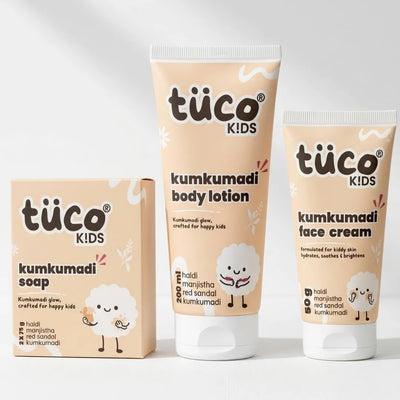
| Turmeric, Kakadu Plum, almond oil | 3-in-1 Bath Kit | Daily soap, lotion & face cream — a complete base routine | 3–15 years |
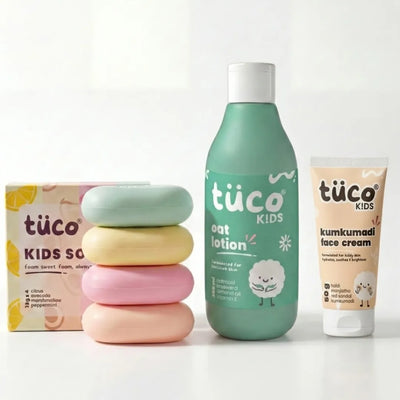
| Shea butter, almond oil, aloe vera | Deep Moisture Body Lotion | Body moisturizer for the driest winter patches beyond the face | 3–15 years |
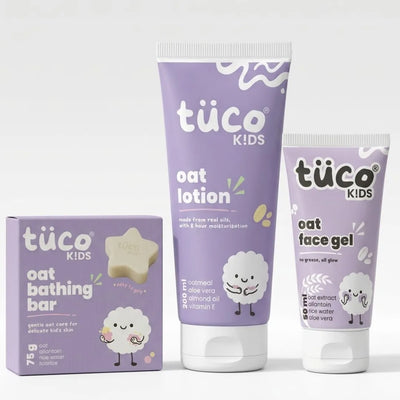
| Oat extract, aloe vera | 3-in-1 Oat Kit | Calming option for reactive or irritated winter skin | 2–15 years |

Why Teen Winter Skin Needs Its Own Approach
Teen skin is dealing with hormonal changes that affect oil production year-round, and winter adds an entirely separate factor — cold, dry air pulling moisture from skin regardless of how oily it naturally runs. This combination means a teen's teen skincare routine in winter often needs to address both dehydration and oil control simultaneously, which is genuinely different from what a younger child's simpler routine needs to manage, and different from what worked for the same teen in a humid summer.
Skincare Routine Order: What Goes First
A confusing skincare routine order is one of the most common reasons a routine doesn't deliver the results it should. The general order that works well for most teens: cleanse first to remove dirt and excess oil, apply any targeted treatment product next while skin is still slightly damp, then moisturize to lock in hydration, and finish with sunscreen during the day if going outdoors. Applying products in the wrong order — moisturizing before cleansing, for instance — reduces how effectively each step actually works.
Why Breakouts Sometimes Worsen in Winter
Teen winter breakouts can genuinely worsen for a few specific reasons: dry, dehydrated skin sometimes overcompensates by producing more oil, indoor heating dries out skin further while still leaving pores prone to clogging, and heavier winter moisturizers, if too occlusive for a naturally oilier complexion, can contribute to congestion. Understanding that winter acne teens experience isn't necessarily caused by "too much moisture" helps avoid the common overcorrection of skipping moisturizer entirely, which usually makes things worse rather than better.
Choosing a Cleanser for Winter
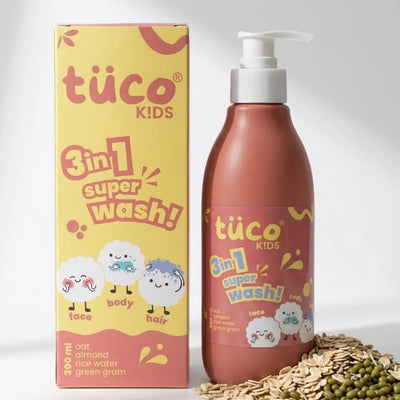
A gentle, non-stripping face wash teens use in winter should clean effectively without leaving skin feeling tight or squeaky afterward — that tight feeling is actually a sign of over-cleansing, not a sign the product is working well. Avoiding harsh, foaming, sulfate-heavy cleansers during winter specifically, even ones that worked fine in summer's more humid conditions, helps prevent the compounding dryness that a harsh cleanser plus cold air can cause together.
Yes, Oily Skin Still Needs Moisturizer in Winter
One of the most persistent myths in teen skincare is that oily skin doesn't need moisturizer — in reality, skipping it in winter often backfires, since dehydrated skin can trigger more oil production as a compensatory response. A lightweight, non-comedogenic moisturizer applied consistently, even on oilier skin types, tends to produce better results through winter than skipping moisture altogether out of fear of breakouts.
Building a Routine Teens Will Actually Stick To
The most effective teen skincare routine is the one that actually gets followed consistently, not the most elaborate one on paper. Starting with just cleanse-and-moisturize, morning and night, builds a foundation that's realistic to maintain, and additional steps can be layered in gradually once that basic habit is solid. Keeping products visible and accessible — on the bathroom counter rather than packed in a drawer — removes a small but real barrier to consistency for many teens.
Does Winter Skincare Still Need Sunscreen?
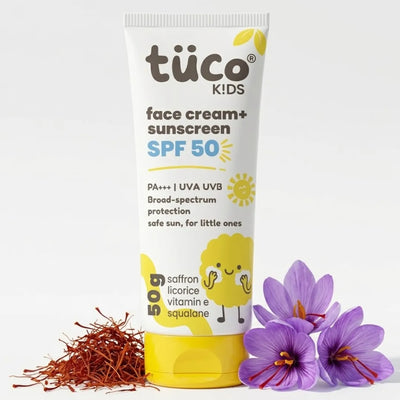
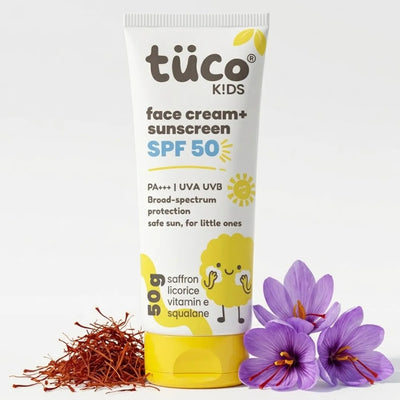
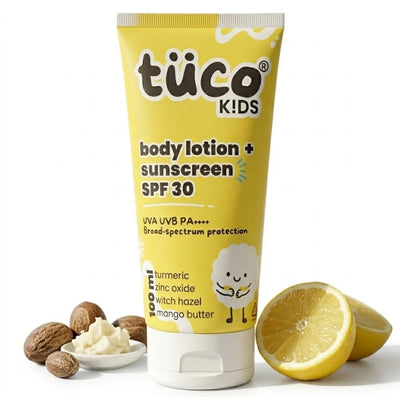
Yes — UV exposure doesn't stop just because temperatures drop, and bright winter sun, especially at higher altitude or reflected off pale surfaces, can still contribute to skin damage over time. A lightweight sunscreen worked into the morning routine, applied after moisturizer and before heading out, rounds out a genuinely complete teen skincare routine even in the colder months.
Quick Recap
A solid winter routine for teens follows cleanse, treat, moisturize, then sunscreen, in that order. Oily skin still needs moisturizer, since dehydration can trigger more oil production rather than less. Start simple with just cleansing and moisturizing before adding more steps, and keep an eye out for persistent or painful breakouts that might need a dermatologist's input.
When to See a Doctor
Mild winter dryness or occasional breakouts generally respond well to routine adjustments within two to three weeks. See a dermatologist if breakouts are persistent, painful, or leaving marks, if skin becomes severely irritated by a new product, or if a consistent, gentle routine shows no improvement after a month — a professional can offer options beyond what a home routine can address.
FAQs
What's the right skincare routine order for winter?
Cleanse first, apply any targeted treatment while skin is still slightly damp, moisturize to lock in hydration, then finish with sunscreen during the day if going outdoors.
Why do teens get more breakouts in winter?
Dehydrated skin can overcompensate by producing more oil, indoor heating dries skin while pores stay prone to clogging, and overly heavy moisturizers can sometimes contribute to congestion.
Should oily skin skip moisturizer in winter?
No — skipping it often backfires, since dehydration can trigger more oil production. A lightweight, non-comedogenic moisturizer tends to work better than skipping moisture altogether.
What should a teen look for in a winter face wash?
A gentle, non-stripping formula that cleanses without leaving skin feeling tight afterward — that tight feeling is a sign of over-cleansing, not effective cleansing.
How can I get my teen to actually stick to a skincare routine?
Start simple with just cleanse-and-moisturize, morning and night, and keep products visible and accessible rather than packed away, before adding more steps.
Does the order I apply skincare products actually matter?
Yes — applying in the wrong order, like moisturizing before cleansing, reduces how effectively each product can do its job.
Is winter acne different from regular teen acne?
Not fundamentally different in cause, but winter-specific factors like dehydration and heavier products can contribute additional triggers on top of typical hormonal acne.
When should a teen see a dermatologist for winter skin issues?
If breakouts are persistent, painful, or leaving marks, if a new product causes severe irritation, or if a consistent routine shows no improvement after a month.
Does a teen still need sunscreen in winter?
Yes — UV exposure continues year-round, and a lightweight daily sunscreen worked into the morning routine protects against cumulative sun damage even in cold months.
Should teens use the same products morning and night?
Not necessarily — a lighter moisturizer in the morning under sunscreen and a richer one at night tends to work well, though a single consistent product is fine if it's working.
How long should a teen wait to see results from a new routine?
Give a new routine at least two to three weeks before judging results — skin needs time to adjust, and switching too frequently makes it hard to tell what's actually working.
Is it okay for a teen to use body lotion on their face?
It's generally better to use a product formulated for the face, since facial skin is thinner and often more reactive than body skin, especially for teens dealing with breakouts.
Can stress make winter breakouts worse for teens?
Yes — stress hormones can increase oil production, and combined with winter's dehydrating effects, this can contribute to more noticeable breakouts during stressful periods like exams.
Should teens exfoliate in winter?
Gently and less frequently than in summer — over-exfoliating already-dry winter skin can worsen irritation, so once or twice a week with a mild product is usually enough.