



Winter Body Lotion Guide for Kids: What to Look For
Choosing the right winter body lotion makes a bigger difference to a child's comfort through the coldest months than almost any other single product decision. Here's exactly what separates a lotion that genuinely holds up through winter from one that leaves skin dry again by afternoon.
Tuco Kids tip: Richness matters more in winter than in any other season — a lighter, summer-friendly lotion often isn't enough on its own once the air turns cold and dry.
Shop Deep Moisture Body Lotion →

Contents
- Quick Comparison: Best Tuco Winter Body Lotions
- Why Winter Skin Needs a Different Lotion
- Ingredients Worth Looking For
- Rich Doesn't Have to Mean Greasy
- How to Apply for Maximum Effect
- Choosing by Age
- Common Lotion Mistakes to Avoid
- Patch Testing a New Lotion
- Quick Recap
- When to See a Doctor
- FAQs
- Related Reads
Quick Comparison: Best Tuco Winter Body Lotions
| Ingredients | Tuco Product Solution | Key Product Features | Age-wise Recommendation |
|---|---|---|---|
| Shea butter, almond oil, aloe vera | Deep Moisture Body Lotion | The richest formula in the range — built for the driest winter skin | 3–15 years |
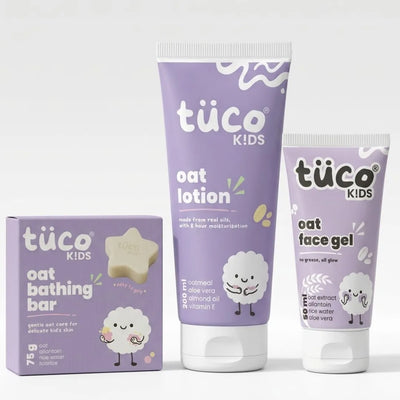
| Oat extract, aloe vera | 3-in-1 Oat Kit | Gentle, barrier-repair lotion suited to younger, reactive skin | 2–15 years, best for toddlers |
| Turmeric, Kakadu Plum, almond oil | 3-in-1 Bath Kit | Daily soap, lotion & face cream for a complete routine | 3–15 years |
Why Winter Skin Needs a Different Lotion
A lotion that keeps skin comfortable in humid, warm months often isn't enough once winter's cold, dry air starts pulling moisture from skin faster than it can be replenished. The right best body lotion for kids winter needs to be more occlusive — meaning it forms a stronger protective layer that holds moisture in — than a typical everyday lotion. This isn't about buying more product; it's about recognizing that winter genuinely calls for a heavier formula, applied more consistently, than the rest of the year does.
Ingredients Worth Looking For
Shea butter is one of the most effective ingredients for winter specifically, since it's naturally rich in fatty acids that support skin's barrier and lock in moisture for hours rather than minutes. Almond oil adds lightweight nourishment that absorbs well without feeling heavy, and aloe vera contributes a soothing, calming quality that helps with any redness or irritation that's developed from cold exposure. A genuinely effective winter lotion typically combines two or three of these rather than relying on a single ingredient, since each addresses a slightly different part of the moisture-loss problem.
Rich Doesn't Have to Mean Greasy
A common misconception is that a genuinely effective, occlusive winter lotion has to feel heavy or greasy on skin — in reality, a well-formulated rich moisturizer kids product absorbs within a minute or two while still leaving a genuinely protective layer behind. If a lotion feels sticky or leaves visible residue long after application, it's often a sign of a poorly balanced formula rather than simply "more moisturizing" — a well-made non greasy lotion kids can still deliver serious winter protection.
How to Apply for Maximum Effect
Timing matters as much as the product itself. Applying lotion within two to three minutes of patting (not rubbing) skin dry after a bath locks in existing moisture far more effectively than applying it later, once skin has already dried out again. For visibly dry areas — hands, elbows, knees, cheeks — a second, more generous application partway through the day makes a real difference, especially for kids who wash their hands frequently or spend time outdoors. A final application before bed supports overnight skin repair, when skin does much of its natural recovery work.
Choosing by Age
Toddlers and younger kids generally benefit most from the gentlest, most fragrance-light options, since their skin is thinner and more reactive than older kids'. Older kids can typically tolerate a richer, more heavily fragranced range of products, though sticking with fragrance-light formulas through winter specifically still tends to produce better results, since winter skin is more reactive across the board regardless of age. Always double-check that a product's labeled age range genuinely covers your child before switching to a new formula.
Common Lotion Mistakes to Avoid
Using the same lotion year-round without adjusting for winter's harsher conditions is one of the most common mistakes — a formula that felt sufficient in July often isn't rich enough by December. Applying lotion only once a day, or only when skin already looks visibly dry, misses the preventive window that makes the biggest difference. And skipping hands specifically — since they're washed most frequently and exposed most directly to cold air — leaves one of the most vulnerable areas under-protected even when the rest of a child's kids body cream routine is otherwise solid.
Patch Testing a New Lotion
Before applying any new lotion across a child's whole body, testing it on a small area of skin — the inner forearm works well — and waiting 24 hours is a simple habit that can prevent a week of discomfort if the formula doesn't agree with your child's skin. This matters especially for kids with any history of sensitivity, and it's worth doing even for products marketed as "gentle" or "for sensitive skin," since those claims aren't strictly regulated and vary between brands.
Quick Recap
The right winter body lotion is richer and more occlusive than a typical everyday formula, built around ingredients like shea butter, almond oil, and aloe vera. Apply within minutes of bathing, reapply on visibly dry areas like hands through the day, and don't skip a final layer before bed. Patch test anything new, and remember that a well-formulated rich lotion can still feel comfortable and non-greasy rather than heavy.
When to See a Doctor
Most winter dryness responds well to a consistent, richer lotion routine within one to two weeks. See a doctor if skin cracks, bleeds, or shows signs of infection like warmth, swelling, or oozing, if itching is severe enough to disrupt sleep, or if dryness persists despite a genuinely consistent routine for three weeks — at that point, an underlying skin condition may need proper evaluation.
FAQs
What makes a good winter body lotion different from a regular one?
A good winter lotion is more occlusive, meaning it forms a stronger protective layer that holds moisture in against the drying effect of cold, dry air, compared to a lighter formula suited to humid months.
What ingredients should I look for in a winter lotion for kids?
Shea butter, almond oil, and aloe vera together address moisture loss, nourishment, and irritation, making them a strong combination for winter-specific formulas.
Can a rich winter lotion still feel non-greasy?
Yes — a well-formulated rich lotion absorbs within a minute or two while still leaving a genuinely protective layer, unlike a poorly balanced formula that sits on the surface.
When is the best time to apply body lotion for maximum benefit?
Within two to three minutes of patting skin dry after a bath, while it's still slightly damp — this locks in existing moisture far more effectively than applying to fully dry skin.
How often should I apply lotion to my child in winter?
At least twice daily, with a third application on visibly dry areas like hands, which are washed frequently and exposed most directly to cold air.
Do toddlers need a different lotion than older kids in winter?
Toddlers generally benefit from gentler, more fragrance-light formulas, while older kids can typically tolerate a somewhat wider range, though fragrance-light remains a safer default for both in winter.
What's the most common winter lotion mistake parents make?
Using the same lotion year-round without switching to a richer formula for winter, and applying it only once a day rather than as a proactive, twice-daily habit.
When should I see a doctor about my child's winter skin?
If skin cracks or bleeds, shows signs of infection, causes sleep-disrupting itching, or doesn't improve despite three weeks of a genuinely consistent lotion routine.
Should I patch test a new lotion before using it fully?
Yes — testing on a small area of skin and waiting 24 hours can prevent a week of discomfort if a new formula doesn't agree with your child's skin, even for products labeled "gentle."
Can I use the same body lotion on my baby and older kids?
Only if it's labeled as suitable for the youngest child's age range — a gentle formula rated for babies is usually fine for older kids too, though the reverse isn't always true.
Does a body lotion expire, and does it matter for winter use?
Yes, lotions do have a shelf life, typically noted on the packaging — using an expired product can reduce effectiveness and occasionally cause irritation, so it's worth checking before the season's heaviest use begins.
Can I mix a rich body lotion with a lighter one for different areas?
Yes — many families use a richer formula on the driest areas like hands and legs, and a lighter one on the torso or areas less exposed to cold, adjusting as needed through the season.
How much lotion should I actually use per application?
Enough to leave a visible, even sheen that absorbs within a couple of minutes — too little leaves areas under-protected, while too much just wastes product and can feel uncomfortably greasy.