




Winter Skincare Mistakes Parents Make (and What to Do Instead)
Most cases of dry skin in winter aren't caused by bad luck with genetics or an especially harsh season — they're caused by small, everyday habits that quietly work against a child's skin barrier. The good news is that once you spot these patterns, most are simple to fix.
Tuco Kids tip: A rich, barrier-repairing lotion undoes a lot of the damage these common mistakes cause — even before you've fixed the habit itself.
Shop Deep Moisture Body Lotion →

Contents
- Quick Comparison: Best Tuco Products for Winter Skin Problems
- Mistake #1: Baths That Are Too Hot or Too Long
- Mistake #2: Moisturizing Only When Skin Already Looks Dry
- Mistake #3: Applying Lotion at the Wrong Time
- Mistake #4: Using Harsh, Fragranced Soap
- Mistake #5: Layering Wool Directly Against Skin
- Mistake #6: Ignoring Indoor Heating's Effect on Skin
- A Simple Winter Skin Care Routine That Actually Works
- Common Winter Skincare Myths Worth Retiring
- Quick Recap: The 6 Mistakes at a Glance
- When to See a Doctor
- FAQs
- Related Reads
Quick Comparison: Best Tuco Products for Winter Skin Problems
| Ingredients | Tuco Product Solution | Key Product Features | Age-wise Recommendation |
|---|---|---|---|
| Shea butter, almond oil, aloe vera | Deep Moisture Body Lotion | The richest formula in the range — built to undo daily-habit dryness | 3–15 years |
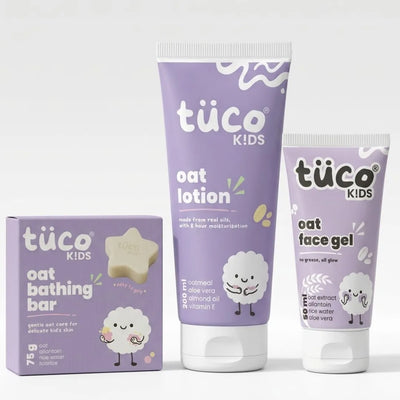
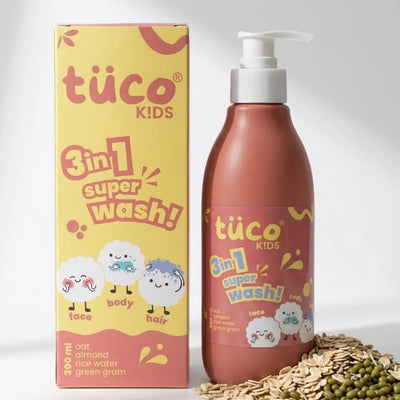
| Oat extract, aloe vera | 3-in-1 Oat Kit | Gentle, barrier-repair lotion suited to reactive, over-washed skin | 2–15 years, best for toddlers |
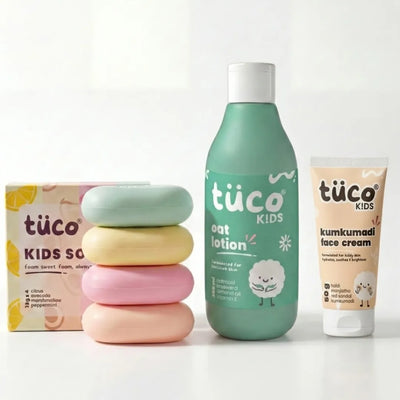
| Turmeric, Kakadu Plum, almond oil | 3-in-1 Bath Kit | A gentler soap swap plus lotion & face cream for a complete routine | 3–15 years |
Mistake #1: Baths That Are Too Hot or Too Long
A steaming-hot bath feels comforting on a cold evening, but hot water is one of the single biggest contributors to kids dry skin in winter. Heat strips away the natural oils that keep skin's protective barrier intact, and the longer a child soaks, the more thorough that stripping becomes — a 20-minute hot bath does noticeably more damage than a brisk 5-minute one. The fix isn't skipping baths, since regular bathing matters for hygiene; it's keeping water lukewarm rather than hot, and treating bath time as a quick, efficient routine rather than a long soak, especially during the driest months.
Mistake #2: Moisturizing Only When Skin Already Looks Dry
Many parents reach for lotion reactively — once flaking, redness, or roughness is already visible — rather than proactively, as a daily habit regardless of how skin looks that day. This is backwards for how winter skin actually works: by the time dryness is visible, the skin barrier has already been compromised for days, sometimes longer. A consistent winter skin care routine applied every single day, whether or not skin looks dry that morning, prevents the problem from developing in the first place rather than chasing it after the fact.
Mistake #3: Applying Lotion at the Wrong Time
Timing matters almost as much as the product itself. Applying moisturizer to fully dry skin, well after a bath, misses the window when skin is most able to lock moisture in — the first two to three minutes after patting (not rubbing) skin dry is when a lotion works hardest, since it traps water already sitting in the skin rather than trying to hydrate from a dry starting point. Waiting until bedtime, or until a child is fully dressed and dry, is one of the most common and easiest-to-fix winter skin care tips parents overlook.
Mistake #4: Using Harsh, Fragranced Soap
Many mainstream soaps and body washes contain sulfates and added fragrance that strip natural oils and irritate a barrier that's already under strain from cold, dry air. What feels like an unrelated winter skin problems flare-up is often, at least partly, a soap problem — switching to a gentler, fragrance-light cleanser during winter months specifically, even if the same soap was fine in summer, addresses a cause that's easy to miss because it's been part of the routine all along.
Mistake #5: Layering Wool Directly Against Skin
Wool and other heavier winter fabrics add real warmth, but worn directly against skin, they create constant mechanical friction on a barrier that's already compromised by dryness — the itching this causes often gets blamed on the skin condition itself rather than the fabric triggering or worsening it. A simple, cotton base layer worn underneath wool sweaters and jackets solves most of this friction-related irritation without sacrificing warmth, and it's a fix most parents haven't considered because the itching seems to start with the skin, not the clothing.
Mistake #6: Ignoring Indoor Heating's Effect on Skin
Indoor heating — whether a space heater, central heating, or simply a tightly sealed, heated room — lowers indoor humidity significantly, often drying skin more aggressively than the cold outdoor air itself. Parents frequently focus entirely on outdoor cold as the cause of winter skincare tips-worthy dryness while overlooking the hours a child spends in a heated bedroom overnight, which can do just as much damage. Running a humidifier in a child's room, or simply cracking a window periodically to let in fresh, more humid air, addresses a cause that's easy to miss because it's invisible.
A Simple Winter Skin Care Routine That Actually Works
Fixing these six mistakes doesn't require a complicated new routine — it requires consistency around a few specific habits. Keep baths lukewarm and under 10 minutes. Moisturize within three minutes of patting skin dry, every single day, not just when dryness is visible. Choose a gentle, fragrance-light soap for the winter months specifically. Layer cotton under wool. Address indoor humidity with a humidifier or ventilation. None of these individually solves everything, but together they address the root causes behind most seasonal dry skin in winter complaints, rather than just treating symptoms after they appear.
Shop 3-in-1 Oat Kit →

Common Winter Skincare Myths Worth Retiring
"Oily skin doesn't need winter moisturizer" is one of the most persistent myths — every skin type loses moisture faster in cold, dry air, and even naturally oilier skin benefits from a lighter, consistent winter routine rather than being skipped entirely. Another common myth is that petroleum-based products alone are "enough" regardless of what else is going on in a routine — occlusives do help seal moisture in, but they work best applied to already-damp skin as part of a full routine, not as a standalone fix for a harsh bath or harsh soap habit undermining it elsewhere. A third myth worth retiring: that winter winter skin problems are simply inevitable and just have to be endured each year — in most cases, they're a direct, fixable result of the specific habits covered above, not an unavoidable seasonal fact of life.
Quick Recap: The 6 Mistakes at a Glance
To summarize the fixable habits covered above: baths that run too hot or too long strip natural oils; moisturizing reactively instead of daily misses the prevention window; applying lotion to fully dry skin rather than damp skin wastes much of its effectiveness; harsh, fragranced soap undoes gentle skin care elsewhere in the routine; wool worn directly against skin adds friction on top of dryness; and indoor heating quietly lowers humidity as much as, or more than, outdoor cold does. Addressing even three or four of these consistently tends to produce a noticeable improvement within a couple of weeks.
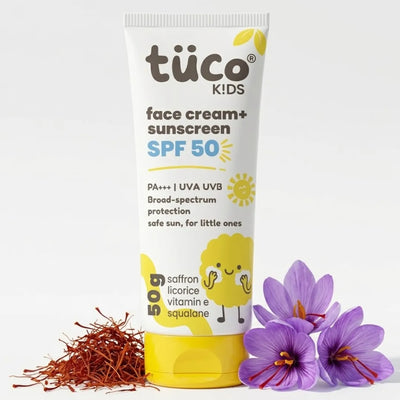
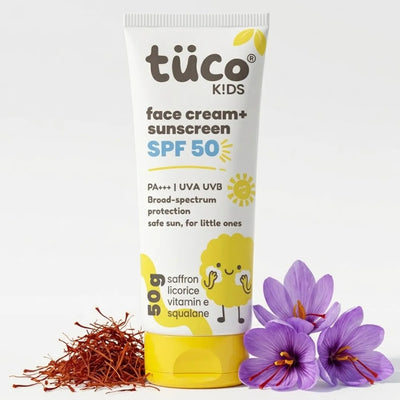
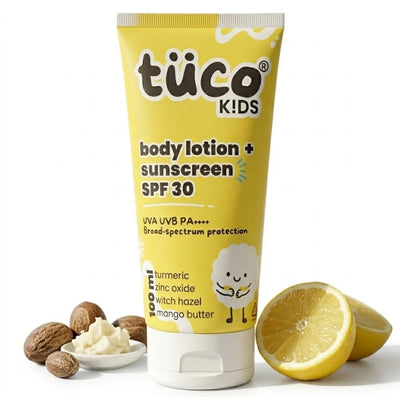
It's worth adding a seventh habit to this list, since it's just as commonly overlooked: forgetting sun protection once winter arrives. Bright winter sun, especially reflected off pale surfaces or experienced at higher altitude, still delivers meaningful UV exposure, and skin that's already under strain from cold and dryness handles additional sun stress less comfortably than well-hydrated skin does. A light, kid-safe sunscreen for days with extended outdoor exposure rounds out a genuinely complete winter routine, alongside the six habits already covered.
When to See a Doctor
Fixing these common mistakes resolves most seasonal dryness within one to two weeks. See a doctor if skin cracks, bleeds, or shows signs of infection like warmth, swelling, or oozing, if itching is severe enough to disrupt sleep, or if a consistent, corrected routine shows no improvement after three weeks — at that point, an underlying condition like eczema may be involved and worth a proper diagnosis.
FAQs
Why does my child get dry skin in winter every year?
Cold, dry outdoor air combined with indoor heating lowers humidity significantly, and everyday habits like hot baths and harsh soap often compound the effect without parents realizing it.
What's the biggest winter skin care mistake parents make?
Moisturizing reactively, only once dryness is already visible, rather than daily as prevention — by the time skin looks dry, the barrier has usually already been compromised for days.
When is the best time to apply lotion after a bath?
Within the first two to three minutes of patting skin dry, while it's still slightly damp — this locks in existing moisture far more effectively than applying lotion to fully dry skin later.
Can the wrong soap actually cause winter skin problems?
Yes — sulfates and added fragrance in many everyday soaps strip natural oils and irritate skin that's already under strain from cold, dry conditions.
How long and how hot should a winter bath be?
Lukewarm water and under 10 minutes is ideal — hot, prolonged baths strip more of the natural oils that protect skin than most parents realize.
Does wearing wool make winter skin problems worse?
It can, when worn directly against skin — the mechanical friction irritates an already-compromised barrier. A cotton layer underneath usually solves this without sacrificing warmth.
Does indoor heating really affect my child's skin?
Yes, often more than outdoor cold — heating lowers indoor humidity significantly, especially overnight in a sealed bedroom, which is an easy cause to overlook.
What winter skin care routine actually works for kids?
Lukewarm, short baths; moisturizing within minutes of drying off, every day; a gentle winter-specific soap; cotton layered under wool; and addressing indoor humidity together address most seasonal dryness.
Can over-moisturizing ever be a mistake too?
Rarely a genuine problem for most kids, though applying an excessive amount at once without letting it absorb can occasionally feel uncomfortable or greasy — a moderate amount applied more frequently generally works better than one very heavy application.
Is it a mistake to skip sunscreen in winter?
Yes, for kids spending meaningful time outdoors, especially at higher altitudes or in bright winter sun — UV exposure doesn't stop just because temperatures drop.