



Skin Rash Treatment for Kids: Causes and Care
Few things alarm parents like a sudden rash. Most childhood rashes are harmless and settle on their own, but some need prompt attention. Effective skin rash treatment starts with working out what kind of rash it is, because the right care for a heat rash differs from the right care for eczema or an allergic reaction.
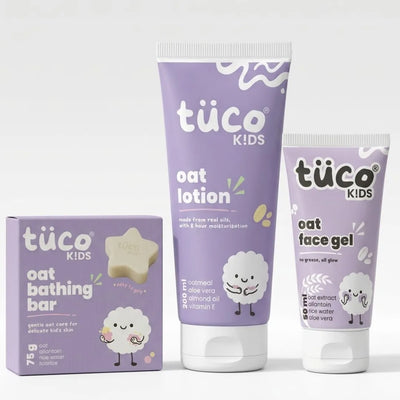
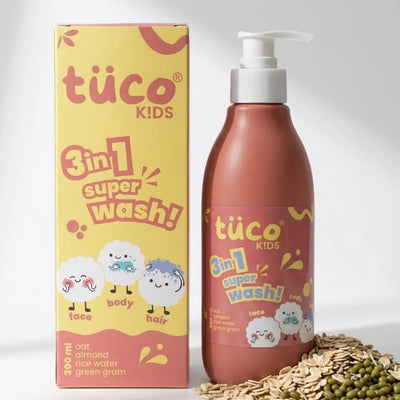
This guide covers common causes of a kids skin rash, how a baby skin rash differs from a rash in an older child, and when to see a doctor. For mild dryness-related irritation in toddlers aged 2 and up, our 3-in-1 Oat Kit offers a gentle routine.
See the 3-in-1 Oat Kit

Contents
- Common Rashes at a Glance
- Common Causes
- Baby Skin Rash
- Rashes in Older Kids
- Home Care
- Allergic Reactions
- What to Avoid
- How to Track a Rash
- Preventing Common Rashes
- Rashes, School and Contagion
- Food, Medicine and Product Triggers
- Quick Decision Guide
- When to See a Doctor
- FAQs
- Related Reads
Common Rashes at a Glance
| Rash | Typical Look | Usual Cause |
|---|---|---|
| Heat rash | Tiny red bumps in warm folds | Sweat trapped under clothes |
| Eczema | Dry, itchy red patches | Weak skin barrier |
| Hives | Raised, itchy welts | Allergy or infection |
| Contact rash | Red area where skin touched something | Irritant or allergen |
Common Causes
Rashes arise from heat, friction, dry skin, infections, allergies and irritants. Viral illnesses commonly cause widespread rashes along with fever. Eczema, heat rash and contact dermatitis are the usual culprits in otherwise well children.
Look at when it started, where it is, whether it itches, whether there is fever or other symptoms, and whether anything new was introduced, such as food, a product or medicine.
Baby Skin Rash
Babies are prone to several rashes. Heat rash appears in sweaty folds, milk rash and baby acne on the cheeks, cradle cap on the scalp and diaper rash in the nappy area. Most are harmless, but a rash with fever, poor feeding or lethargy needs prompt review.
Keep your baby's skin cool, dry and clean, and avoid new products until you know the cause. Do not apply creams that contain steroids unless advised by a doctor.
Rashes in Older Kids
School-age children get ringworm, impetigo, eczema, viral rashes and contact reactions from new soaps, plants or jewellery. Patchy circular scaly rashes may be ringworm, honey-coloured crusts may be impetigo, and both need treatment.
A raised, itchy rash that appears suddenly may be hives, which can come from allergy, infection or other triggers.
Home Care
For mild, itchy, dry rashes, keep baths short and lukewarm, use a gentle cleanser and moisturise generously. Dress in loose cotton, trim nails and use cool compresses to ease itch. Photograph the rash daily to track progress.
Avoid scratching and avoid new products until the skin recovers.
Allergic Reactions
A rash with swelling of the lips, face or tongue, difficulty breathing, vomiting or dizziness is an emergency. Seek urgent care immediately. Milder allergic rashes still deserve a call to the doctor to identify the trigger.
Keep a record of foods, medicines and products in the 24 hours before the rash appeared.
What to Avoid
Avoid applying unprescribed steroid creams, home remedies such as raw lemon or toothpaste, and scrubbing the area. Avoid tight clothing and strongly scented products.
Do not send a child with a suspected contagious rash to school until it has been checked.
How to Track a Rash
Take a clear photo each day in the same light, note the date, any new foods, medicines or products, and whether there is fever. This record helps a doctor diagnose quickly, particularly if the rash changes or fades before the appointment.
Mark the edges with a washable pen if the rash is spreading, and record how your child is behaving: eating, sleeping and playing normally are reassuring signs.
Preventing Common Rashes
Dress children in breathable cotton, avoid over-bundling, change out of damp clothes and keep skin moisturised. Introduce new foods, products and medicines one at a time.
Wash new clothes before wearing, rinse laundry thoroughly and avoid fabric softeners if your child has sensitive skin.
Rashes, School and Contagion
Some rashes, such as impetigo, ringworm and hand-foot-and-mouth disease, are contagious and may require time off school. Ask your doctor when your child can return.
Teach children to wash hands, avoid sharing towels and cover broken skin to limit spreading.
Food, Medicine and Product Triggers
New foods can cause hives or eczema flares in some children, usually within minutes to hours. Medicines, particularly antibiotics, can trigger rashes too. New soaps, detergents and creams can cause contact reactions.
If you suspect a trigger, stop the suspect, note the timing and speak to your doctor before reintroducing it. Never test a suspected food allergy at home if there was swelling or breathing difficulty.
Quick Decision Guide
- Is the rash mild, dry and itchy? → Moisturise, bathe briefly and monitor.
- Is there fever or the child seems unwell? → See a doctor.
- Are there swelling, breathing difficulty or vomiting? → Seek emergency care.
- Is it spreading or blistering? → See a doctor promptly.
When to See a Doctor
See a doctor if a rash comes with fever, is spreading quickly, has blisters, pus or honey-coloured crusts, is very painful, does not improve in a few days, or appears in a young infant. Seek emergency help for facial swelling, breathing difficulty or a rash that does not fade when pressed.
FAQs
What is the best skin rash treatment for kids?
It depends on the cause; mild dry rashes respond to gentle care and moisturiser, while infections and allergies need medical care.
What causes a kids skin rash?
Heat, dryness, infections, allergies and irritants are common causes.
Is a baby skin rash normal?
Many are harmless, such as heat rash or baby acne, but check with a doctor if unsure.
When is a rash an emergency?
When it comes with breathing difficulty, facial swelling or does not fade when pressed.
Can I use steroid cream on my child?
Only if prescribed by a doctor.
Are rashes contagious?
Some are, such as impetigo and ringworm; others, like eczema, are not.
Should I keep my child home with a rash?
If it may be contagious or your child is unwell, check with a doctor.
How do I tell eczema from other rashes?
Eczema is dry, itchy and recurrent, often in elbow and knee creases.