




Humidifiers for Kids' Rooms in Winter: Do They Actually Help Skin?
Parents shopping for winter skin solutions often overlook one of the simplest fixes: the air itself. A quick look at humidifier benefits for kids explains why so many pediatric dermatologists recommend one alongside — not instead of — a good moisturizing routine.
Tuco Kids tip: A humidifier and a rich lotion work as a team — one protects skin from the inside of the room, the other seals moisture in directly.
Shop Deep Moisture Body Lotion →

Contents
- Quick Comparison: Best Tuco Products to Pair With a Humidifier
- How Indoor Humidity Actually Affects Skin
- Does a Humidifier Really Help Dry Skin?
- Why Heating Makes Dry Air Worse
- Choosing a Humidifier for a Kid's Room
- Using a Humidifier Safely
- What a Humidifier Can't Do Alone
- Common Humidifier Myths
- Quick Recap
- When to See a Doctor
- FAQs
- Related Reads
Quick Comparison: Best Tuco Products to Pair With a Humidifier
| Ingredients | Tuco Product Solution | Key Product Features | Age-wise Recommendation |
|---|---|---|---|
| Shea butter, almond oil, aloe vera | Deep Moisture Body Lotion | Seals in the moisture a humidifier adds to the air | 3–15 years |
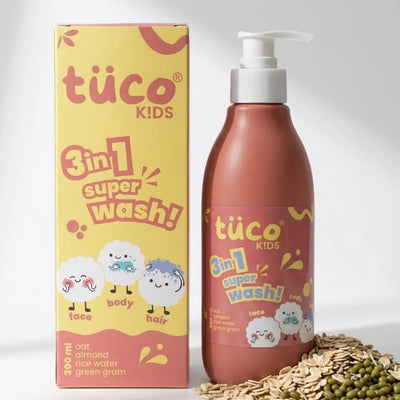
| Oat extract, aloe vera | 3-in-1 Oat Kit | Gentle option for skin still adjusting to a drier bedroom | 2–15 years, best for toddlers |
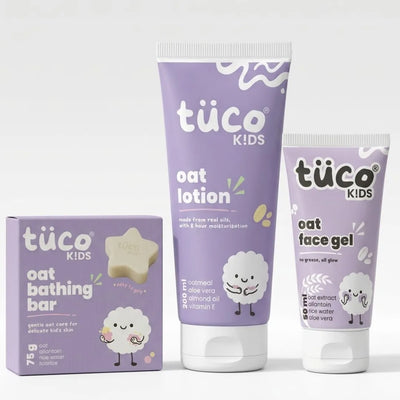
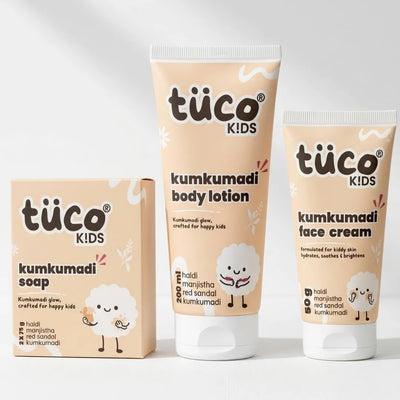
| Turmeric, Kakadu Plum, almond oil | 3-in-1 Bath Kit | Complete daily routine alongside a humidified bedroom | 3–15 years |
How Indoor Humidity Actually Affects Skin
Skin loses water to the surrounding air constantly, and the rate of that loss depends heavily on how much moisture the air itself already holds. In low-humidity conditions — common indoors during winter, especially in heated rooms — skin loses water faster than it can replace it on its own, leading to the dryness, flaking, and tightness so many kids experience seasonally. A humidifier for dry air works by adding moisture back into a room's air, narrowing that gap between how much water skin loses and how much it can naturally hold onto.
Does a Humidifier Really Help Dry Skin?
Yes, meaningfully — a humidifier for dry skin addresses a genuine root cause of winter dryness rather than just treating the symptom after it appears, the way a lotion applied only once dryness is visible does. Maintaining indoor humidity in a comfortable range (roughly 40–60%) measurably slows the rate at which skin loses moisture to the air overnight, when kids spend the most consecutive hours in one room. That said, a humidifier works best as one part of a broader routine rather than a standalone fix — it reduces how much moisture skin loses, but it doesn't replace the moisture a good lotion adds directly.
Why Heating Makes Dry Air Worse
Central heating, space heaters, and even simple sealed, well-insulated rooms during winter all tend to lower relative humidity significantly compared to unheated outdoor air at the same temperature. This is a genuinely underappreciated factor — many parents assume outdoor cold is the primary cause of winter skin dryness, when in fact hours spent in a heated bedroom overnight can be just as drying, sometimes more so. A humidifier for winter specifically counters this heating-related humidity drop, making it particularly useful in rooms where a heater runs for extended stretches, like a child's bedroom overnight.
Choosing a Humidifier for a Kid's Room
Cool-mist humidifiers are generally the safer choice for a child's bedroom compared to warm-mist (steam) versions, since they eliminate the risk of accidental burns from hot water or steam — an important consideration in a room a child spends unsupervised time in overnight. Size the unit appropriately for the room; an undersized humidifier struggles to meaningfully raise humidity in a larger space, while an oversized one in a small room can push humidity too high, which brings its own problems (see below). A model with a built-in hygrometer, or a separate humidity monitor, takes the guesswork out of knowing whether the room has actually reached a comfortable range.
Using a Humidifier Safely
Clean a humidifier regularly, following the manufacturer's instructions, since standing water can become a breeding ground for mold or bacteria that then gets dispersed into the air a child breathes overnight — this is a real safety consideration, not just a maintenance suggestion. Avoid pushing humidity above roughly 60%, since excessively humid rooms can encourage dust mites and mold growth, potentially worsening allergy or asthma symptoms in sensitive kids rather than helping. Placing the unit a reasonable distance from a child's bed, rather than directly beside it, and using distilled or filtered water where possible, reduces mineral buildup and keeps the output cleaner.
What a Humidifier Can't Do Alone
A humidifier addresses the bedroom environment, but it doesn't protect skin during the many hours a day a child spends elsewhere — outdoors, at school, in a heated car. It also doesn't replace the direct barrier-repair benefit a good moisturizer provides by sitting on skin itself. Families who invest in a humidifier but skip a consistent daily lotion routine, or vice versa, tend to see only partial improvement compared to those who pair both — the two genuinely complement rather than substitute for each other.
Common Humidifier Myths
A common myth is that "more humidity is always better" — in reality, pushing well past the comfortable 40–60% range can create its own problems, including dust mites and mold growth, which can actually irritate skin and airways rather than helping either. Another myth is that a humidifier alone can fully replace a moisturizing routine — it addresses the room's air, not skin directly, and the two genuinely work best together rather than as substitutes for one another. Some parents also assume any humidifier works the same regardless of type or size, when in reality an undersized unit in a large room, or a poorly maintained one, can deliver disappointing or even counterproductive results.
Quick Recap
Indoor heating lowers humidity, often more than outdoor cold does, and a well-maintained cool-mist humidifier kept in the 40–60% range can meaningfully slow how fast skin loses moisture overnight. It works best paired with a rich, consistent lotion routine rather than used as a standalone fix — the two address different sides of the same seasonal dryness problem.
For families deciding whether it's worth the investment, the simplest way to judge is a short trial: run a humidifier in a child's bedroom for one to two weeks during a dry spell and compare how skin looks and feels against the same period without it. Many parents find the difference noticeable enough, particularly on hands and cheeks, to make it a permanent part of their winter setup going forward.
When to See a Doctor
Adding a humidifier and adjusting the skin care routine typically shows improvement within one to two weeks for straightforward seasonal dryness. See a doctor if skin cracks, bleeds, or shows signs of infection, if a child develops respiratory symptoms that seem to worsen rather than improve with a humidifier in use (which can indicate a maintenance or mold issue), or if dryness persists despite a genuinely thorough combined routine.
FAQs
Do humidifiers actually help kids' dry skin in winter?
Yes — they slow how quickly skin loses moisture to dry indoor air, which meaningfully reduces winter dryness, though they work best paired with a good moisturizer rather than used alone.
What humidity level is best for a kid's bedroom?
Roughly 40–60% is generally considered comfortable and beneficial for skin, without pushing high enough to encourage dust mites or mold.
Is a humidifier for dry air better than just using more lotion?
They address different parts of the problem — a humidifier reduces moisture loss from the room's air, while lotion adds moisture directly to skin. Using both together works better than either alone.
Does indoor heating make skin drier than outdoor cold?
Often, yes — heated indoor air can have lower humidity than cold outdoor air, and kids typically spend more consecutive hours in a heated bedroom than outdoors.
What kind of humidifier is safest for kids?
Cool-mist humidifiers are generally safer for a child's room than warm-mist versions, since they remove the risk of burns from hot water or steam.
How often should I clean a humidifier for kids?
Regularly, following the manufacturer's instructions — standing water can grow mold or bacteria that then gets released into the air if not cleaned consistently.
Can too much humidity be a problem?
Yes — pushing humidity above roughly 60% can encourage dust mites and mold, which may worsen allergy or asthma symptoms rather than helping skin.
Is a humidifier for kids worth it just for winter skin?
For many families, yes, especially alongside a consistent moisturizing routine — it addresses a root cause (dry indoor air) rather than only treating dryness after it appears.
Can a humidifier help with more than just skin?
Yes — many parents also notice improvements in dry, irritated nasal passages or throat discomfort that tend to accompany very dry winter air, alongside the skin benefits.
Do I need to run a humidifier all night, every night?
Running it consistently through the driest winter months tends to give the most noticeable benefit, though even partial overnight use is better than none for rooms that get especially dry.
Is it worth using a humidifier in every room, or just the bedroom?
The bedroom matters most, since that's where kids spend the most consecutive hours overnight, but a shared family or play area can benefit too if it's a space where a child spends significant daytime hours.
Can a humidifier make a room feel damp or uncomfortable?
Only if it's oversized for the space or run continuously without monitoring — sizing the unit appropriately and checking humidity levels periodically avoids this.
Do humidifiers work the same in every climate across India?
They're most noticeably beneficial in already-dry climates like North India during winter; in more humid regions, indoor heating may still lower humidity enough to make one worthwhile, though the effect tends to be less dramatic.