





Skin Peeling on Face in Kids: Causes and Care
Finding flakes around your child's nose, cheeks, forehead or mouth can be confusing. Sometimes the skin is simply dry after a bath or a spell of cold weather. In other cases, peeling follows a rash, irritation or an inflammatory skin condition. Understanding the difference between skin peeling face symptoms caused by dryness and those caused by inflammation helps parents choose the right next step instead of trying several products at once.
Facial skin is delicate, and peeling does not automatically mean that it needs exfoliation. In fact, scrubbing or pulling away loose skin can make irritation worse. This guide explains the common causes of facial peeling in children, what parents can safely do at home, which habits to avoid and when a medical assessment is appropriate.
Contents
- Quick comparison of possible causes
- What does facial peeling mean?
- Dryness and weather changes
- Eczema and contact dermatitis
- Other possible causes
- How to care for peeling skin
- Mistakes to avoid
- Quick decision guide
- When to see a doctor
- FAQs
- Related Reads
Quick comparison: What might be causing facial peeling?
| Possible cause | Typical clues | What may help |
|---|---|---|
| Dry skin | Fine flakes, tightness and roughness, often after bathing | Gentle cleansing and suitable moisturising |
| Eczema | Recurring itchy, inflamed or dry patches | Appropriate emollients and clinician-guided treatment |
| Contact dermatitis | Irritation after exposure to a product or material | Stop the suspected trigger and assess symptoms |
| Sunburn | Peeling after a period of sun exposure, sometimes with redness or tenderness | Gentle skin care and appropriate assessment if severe |
| Infection or another skin condition | Unusual distribution, spreading rash, pain or other symptoms | Medical evaluation |
What does facial peeling mean?
The outer layer of skin continually renews itself. Older surface cells are shed as new cells replace them, and this process normally happens without visible flakes. Peeling becomes noticeable when surface cells loosen in larger amounts, often because the skin is dry, inflamed or recovering from irritation.
The appearance alone does not identify the cause. Fine flakes with mild tightness may suggest dryness, while peeling with redness and persistent itching may indicate inflammation. A history of sun exposure, a new cleanser or a recent rash can provide useful clues.
Parents should look at the whole picture: where the peeling occurs, whether it is spreading, whether the skin hurts or itches, and whether the child has recently been ill or started using a new product. These observations can help a clinician assess the problem if it does not settle.
Dry skin and weather changes
Cold air, low humidity, indoor heating and hot baths can increase moisture loss from the skin. The cheeks and areas around the nose and mouth may be particularly affected by wind, frequent wiping or saliva.
Dry skin often feels tight after washing and may have fine flakes without marked inflammation. A gentle routine can help: use lukewarm water, avoid harsh cleansing and apply an appropriate moisturiser after washing. If the peeling persists or worsens, do not assume that the weather is the only cause.
Eczema and contact dermatitis
Eczema is an inflammatory skin condition that may cause dryness, itching, redness and recurring patches. Children with eczema can experience facial symptoms, and scratching or rubbing may make the skin more irritated. Moisturising can support the skin barrier, but active eczema may require treatment recommended by a clinician.
Contact dermatitis occurs when the skin reacts to an irritant or allergen. Potential triggers include soaps, fragrances, cosmetics, wipes and other products that come into contact with the face. The reaction may develop after a new product is introduced, although some irritants cause problems after repeated exposure.
If you suspect a product is responsible, stop using it and simplify the routine. Avoid trying several replacement products immediately, because that can make it harder to identify the trigger. Seek advice if the reaction is significant or does not improve.
Other possible causes of peeling
Sunburn
Peeling can occur as skin recovers from sunburn. Protect the area from further sun exposure and avoid pulling off loose skin. Significant pain, extensive blistering, fever or a child who seems unwell warrants prompt medical advice.
Perioral irritation
Repeated lip licking, drooling or frequent wiping can irritate the skin around the mouth. The area may become dry, red and flaky. Gentle care and reducing the source of irritation may help, but persistent inflammation should be assessed.
Infections and less common conditions
Some infections and inflammatory conditions can produce scaling or peeling. These may be accompanied by spreading redness, unusual lesions, pain or other symptoms. A clinician can determine whether examination or testing is needed.
Peeling accompanied by fever, marked illness, a rapidly spreading rash, skin tenderness or involvement of the eyes or mouth should not be managed as ordinary dry skin. Seek prompt medical attention in these circumstances.
How to care for peeling facial skin
Start by simplifying the routine. Wash gently with lukewarm water and a mild cleanser when needed. Avoid rough cloths, facial scrubs, exfoliating acids and products that sting. Pat the face dry rather than rubbing it.
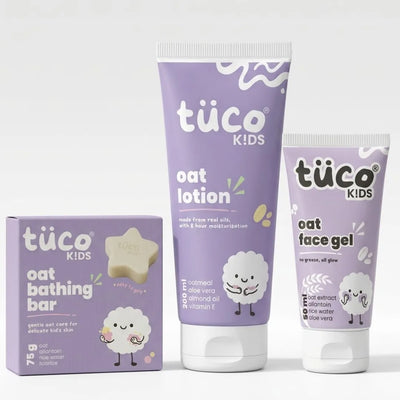
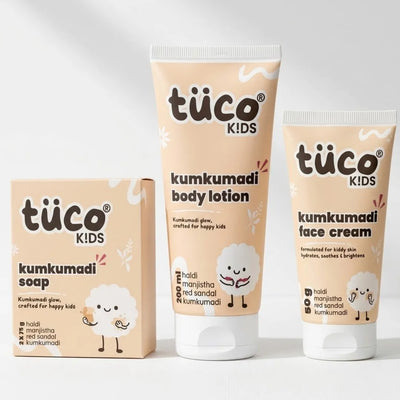
If the skin is dry and intact, apply a suitable moisturiser to help reduce water loss. Choose a product appropriate for your child's age and intended use. Fragrance-free products may be preferable for children prone to irritation.
Do not apply moisturiser blindly to every rash. If the skin is weeping, crusted, painful or appears infected, seek medical advice. Avoid unprescribed steroid creams, antifungals and adult skincare treatments on a child's face.
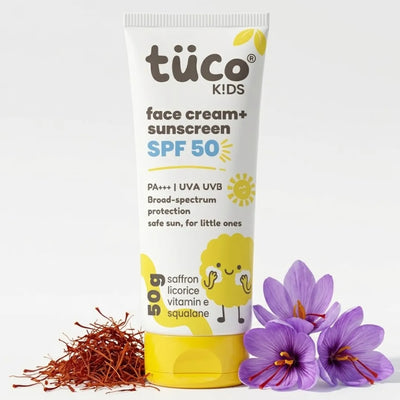
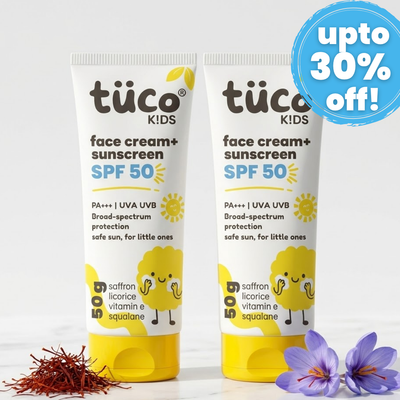
During outdoor activities, use appropriate sun protection on exposed skin. If peeling follows sunburn, be particularly careful to avoid further exposure while the skin recovers.
Common mistakes parents should avoid
Scrubbing off flakes: Peeling is not dirt. Friction can damage the surface and prolong irritation.
Using strong exfoliants: Adult exfoliating products are unnecessary for ordinary childhood peeling and may worsen inflammation.
Introducing many new products: A simple routine makes it easier to identify triggers and reduce irritation.
Assuming every rash is dry skin: Eczema, contact dermatitis and infections may resemble dryness but need different care.
Ignoring other symptoms: Pain, fever, swelling, rapidly spreading redness or widespread peeling require prompt assessment.
Quick decision guide
- If there are fine flakes with mild tightness, try gentle cleansing and an age-appropriate moisturiser.
- If peeling began after a new skincare product, stop the suspected product and simplify the routine.
- If the skin is itchy and repeatedly inflamed, seek advice about eczema or contact dermatitis.
- If peeling follows sunburn, avoid further sun exposure and do not pull away loose skin.
- If the skin is painful, blistered, weeping or rapidly worsening, seek prompt medical attention.
- If peeling persists despite gentle care, arrange an assessment rather than repeatedly changing products.
When to see a doctor
Arrange an appointment if facial peeling persists, repeatedly returns or is accompanied by significant itching, redness, cracking or discomfort. Seek prompt assessment for severe pain, extensive blistering, spreading redness, fever, marked illness or involvement of the eyes and mouth.
For infants and young children, be particularly cautious about widespread peeling or a rash accompanied by other symptoms. A clinician can identify the likely cause and advise whether moisturising alone is appropriate.
Frequently asked questions
1. What causes skin peeling on the face in kids?
Common causes include dry skin, eczema, contact dermatitis and sunburn. Other skin conditions can also produce peeling, so persistent or unexplained symptoms should be assessed.
2. Is flaky skin on a child's face normal in winter?
Mild flaking can occur when cold, dry air and bathing habits contribute to moisture loss. However, recurring, inflamed or painful peeling should not automatically be attributed to winter.
3. Should I exfoliate flaky skin on my child's face?
No. Scrubbing or using exfoliating products can worsen irritation. Gentle cleansing and suitable moisturising are more appropriate when the cause is simple dryness.
4. Can moisturiser help facial peeling?
Moisturiser can help when dryness is contributing to the peeling. It will not treat every cause, including infection or active inflammatory conditions that need targeted care.
5. Can a new face wash cause peeling?
Yes. A cleanser may irritate the skin or remove too much of its protective surface oil. Stop using a suspected product if irritation develops and seek advice if symptoms persist.
6. Why is the skin around my child's mouth peeling?
Saliva, repeated lip licking, wiping and contact irritation can contribute. Persistent redness, cracking or discomfort should be assessed.
7. Can sunburn cause peeling on a child's face?
Yes. Peeling may occur as sunburned skin recovers. Avoid pulling away loose skin, protect the area from further sun exposure and seek advice if symptoms are severe.
8. When is facial peeling an emergency?
Severe pain, extensive blistering, rapidly spreading redness, fever with a significant rash, marked illness or skin involvement around the eyes or mouth warrants urgent medical assessment.
Related Reads
- Best Winter Face Cream for Kids
- Winter Face Wash for Kids
- Dry Skin in Winter: Causes and Treatment for Kids
- Winter Skin Care for Kids: A Complete Routine