



Eczema Treatment for Kids: A Complete Winter Care Guide
Eczema has a way of announcing the start of winter. A child whose skin was calm through monsoon suddenly has red, rough patches behind the knees and inside the elbows, and the itching turns bedtime into a negotiation. Effective eczema treatment for kids is less about finding one miracle product and more about understanding why the skin is reacting and then calming that cycle consistently.
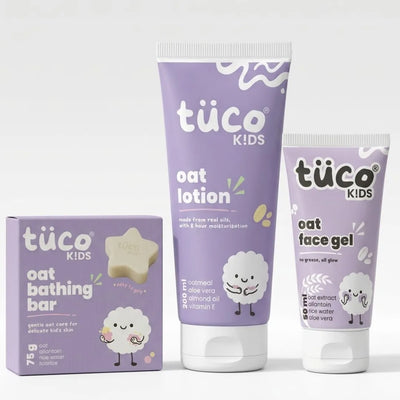
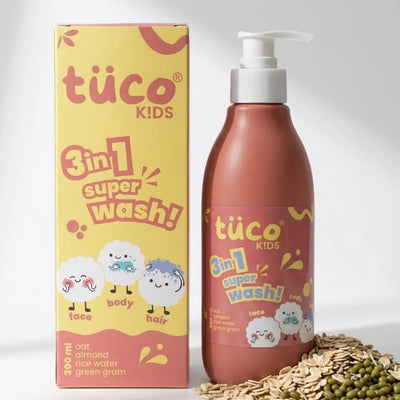
This guide covers what eczema actually is, how baby eczema differs from eczema in older children, what eczema in babies typically looks like, and how to build a winter routine that keeps flare-ups from taking over. A gentle, fragrance-light routine built around an oat-based skincare kit is a sensible foundation for most reactive skin.
Shop 3-in-1 Oat Kit

Contents
- Quick Overview
- What Eczema Actually Is
- Baby Eczema vs Eczema in Older Kids
- Why Winter Triggers Flare-Ups
- A Winter Routine That Works
- Myths Worth Dropping
- What to Do During a Flare
- Looking Beyond This Winter
- Quick Decision Guide
- When to See a Doctor
- FAQs
- Related Reads
Quick Overview
| Product | Key Features | Best For | Age Range |
|---|---|---|---|
| 3-in-1 Oat Kit | Oat-based, gentle cleansing plus moisturising step | Dry, reactive, easily irritated skin | 2–15 years |
| Deep Moisture Body Lotion | Rich daily moisturiser for sustained hydration | Maintenance moisturising on calmer skin | 3–15 years |
What Eczema Actually Is
Eczema (atopic dermatitis) is a chronic tendency, not a one-off rash. The skin barrier in people prone to it is structurally leaky: it loses water faster than normal and lets irritants and allergens in more easily. That is why the same skin that looks fine in July can look inflamed in December. The itch comes from immune activity in the skin, and scratching damages the barrier further, which fuels more itch. Almost every effective approach works by interrupting that itch-scratch cycle and rebuilding the barrier.
It helps to think of eczema as two separate jobs. The first is daily barrier care: moisturising generously and cleansing gently so the skin is never starved of water. The second is flare management: calming the inflamed patches quickly when they appear. Parents who only do the second job end up in a loop of crises; parents who do the first job well usually have fewer flares to manage.
Baby Eczema vs Eczema in Older Kids
In young infants, baby eczema often starts on the cheeks, forehead and scalp, then spreads to the outer arms and legs. The patches tend to be red, dry and sometimes weepy. As a child begins to crawl and walk, the pattern shifts toward the creases, the inner elbows, behind the knees and around the neck, wrists and ankles, and the skin often turns thicker and rougher from repeated scratching.
With eczema in babies, the practical challenge is that infants cannot tell you it itches. Watch for rubbing the face against bedding, fussiness at night and a flushed, rough texture on the cheeks. Many children improve substantially through the toddler years, though skin that is naturally prone to dryness often stays sensitive into adolescence and needs lifelong barrier care.
Why Winter Triggers Flare-Ups
Cold, dry air pulls water out of the skin, and indoor heating dries the air even further. Hot baths, which feel wonderful on a cold evening, strip the skin's natural oils quickly. Wool and rough synthetic fabrics add friction, and heavy layering causes sweating that irritates already-sensitive skin. Each factor alone is manageable; together they push a fragile barrier past its limit.
Seasonal infections and dust exposure from keeping windows closed can also play a role in some children. Not every flare has an obvious trigger, so do not blame yourself when one appears. The aim is to lower the overall load on the skin so that minor triggers no longer tip it over.
A Winter Routine That Works
Keep baths short, around five to ten minutes, with lukewarm rather than hot water. Use a gentle, fragrance-light wash only where needed, and pat the skin mostly dry with a soft towel. Within three minutes of leaving the bath, while the skin is still slightly damp, apply a generous layer of moisturiser all over. That timing traps water in the outer layer, and it is often the single biggest improvement parents can make without buying anything new.
Reapply moisturiser at least once more during the day and again at bedtime, with extra attention to hands, elbows and the backs of the knees. Choose soft cotton against the skin, wash new clothes before wearing and avoid strongly scented detergents. Trim nails short so night-time scratching does less damage. If a particular patch becomes red and angry, that is the moment to involve your pediatrician or dermatologist about a prescribed anti-inflammatory treatment, rather than escalating over-the-counter products on your own.
Myths Worth Dropping
One persistent myth is that eczema is caused by dirt or poor hygiene. It is not; over-washing is more likely to hurt than help. Another is that children simply outgrow it, which is true for some but not all, and the barrier tends to stay delicate even when visible symptoms fade. A third is that natural always means safe: some plant oils and essential oils are known irritants for eczema-prone skin, so a short ingredient list and a patch test on a small area are wiser than an enthusiastic switch to a home remedy.
Finally, many parents stop moisturising the moment skin looks clear. In practice, continuing the daily routine through the calm periods is what keeps the next flare smaller and further away.
What to Do During a Flare
When a patch turns red and itchy, the instinct is to add more products. A calmer approach works better: keep baths short, apply moisturiser more often than usual, and avoid anything new on that skin. Cool, clean cotton against the skin and trimmed nails reduce further damage. A cold, damp cloth held on an itchy area for a few minutes can ease the urge to scratch without any product at all.
If a flare does not ease within a few days, a doctor can prescribe a short course of anti-inflammatory treatment. These work by calming the immune activity in the skin, and used as directed they are considered safe for children. The usual mistake is stopping too early or using too little, which lets the flare rebound.
Looking Beyond This Winter
Eczema is easier to manage when you understand your child's own pattern. Keep a short note of what was happening before flares: a new soap, a trip, a cold, a change in bedding. Over a season or two, a pattern often emerges, and avoiding even one repeated trigger can noticeably reduce flare frequency.
Involve your child as they grow. Letting a five- or six-year-old apply their own moisturiser, with you checking, builds a habit that carries into adolescence, when skin changes often bring eczema back into focus.
Quick Decision Guide
- Is the skin dry and slightly rough but not red or itchy? → Daily moisturising after a short lukewarm bath is usually enough.
- Are there red, itchy patches in the creases of elbows or knees? → Moisturise more often, keep baths short and see a doctor if it persists beyond a week.
- Is the skin weepy, crusted or very painful? → See a doctor soon, since this can indicate infection that needs treatment.
- Is your child scratching enough to disturb sleep? → Speak to your pediatrician about a proper treatment plan rather than relying on moisturiser alone.
When to See a Doctor
Mild dryness usually settles with consistent moisturising. See a doctor if patches are weepy, crusted or look infected, if itching regularly disrupts sleep, if the rash spreads quickly or is on a very young infant's face and scalp and not improving, or if two weeks of good barrier care make no difference. A doctor can prescribe safe anti-inflammatory treatment that over-the-counter products cannot replace.
FAQs
What is the best eczema treatment for kids?
The foundation is daily moisturising and gentle cleansing; prescribed anti-inflammatory creams from a doctor are used for active flares.
How is baby eczema different from a regular rash?
It is typically dry, red and itchy, often on the cheeks and scalp first, and it tends to recur rather than resolve once.
Can eczema in babies go away on its own?
Many children improve through the toddler years, though skin often stays sensitive and benefits from continued barrier care.
Does winter make eczema worse?
Yes, because cold dry air and indoor heating pull moisture from the skin and weaken an already fragile barrier.
Should I bathe an eczema-prone child less often?
Short, lukewarm baths followed by immediate moisturising are generally fine and can even help, but long hot baths should be avoided.
Are oat-based products good for eczema-prone skin?
Oat-based formulas are widely used for dry, reactive skin because of their soothing properties, though patch testing is still sensible.
Is eczema contagious?
No, eczema is not contagious and cannot be passed between children.
Can food cause eczema flare-ups?
In a minority of children food can be a trigger, but most flares are driven by dryness and irritants, so check with a doctor before eliminating foods.