






Dry Skin Treatment for Kids: A Complete Winter Guide
Dry skin in children is common, annoying and very treatable. A flaky elbow or rough, tight cheeks rarely need medicine, but the right dry skin treatment does need to be consistent. This guide shows what causes dryness, how to build a winter skincare routine that works, and what kind of winter skin care actually changes skin rather than just feeling nice for an hour.
For everyday moisture, a rich lotion such as the Deep Moisture Body Lotion for ages 3 and up fits easily into the routine below.
Shop Deep Moisture Body Lotion

Contents
- Quick Overview
- Why Skin Dries Out
- A Winter Skincare Routine
- Treatment for Existing Dryness
- Common Mistakes
- Home Conditions That Matter
- Dry Zones That Need Extra Care
- Dry Skin by Age
- Quick Decision Guide
- When to See a Doctor
- FAQs
- Related Reads
Quick Overview
| Product | Key Features | Best For | Age Range |
|---|---|---|---|
| Deep Moisture Body Lotion | Rich daily moisturiser | General winter dryness | 3–15 years |
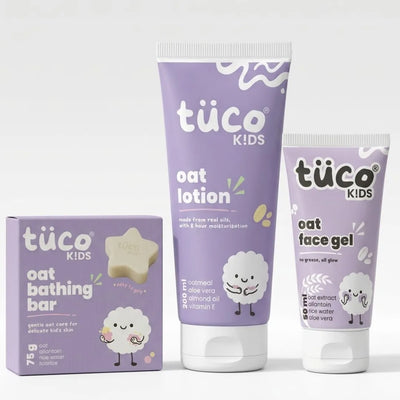
| 3-in-1 Oat Kit | Gentle cleanse plus moisturise | Sensitive or very dry skin | 2–15 years |
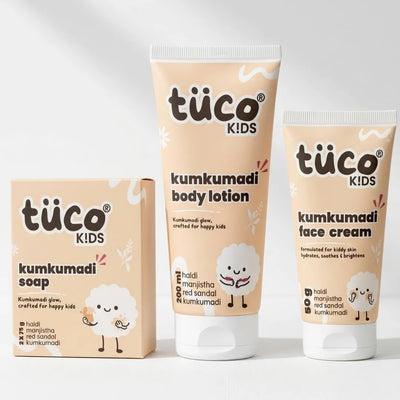
| 3-in-1 Bath Kit | Soap, lotion and face cream | Whole-family routine from age 3 | 3–15 years |
Why Skin Dries Out
Skin holds water through a barrier of lipids and natural moisturising factors. Cold air carries very little moisture, indoor heating dries it further, and the skin steadily loses water to the air. Children have a thinner barrier and a larger surface area relative to body weight, so they dry out faster than adults.
Daily habits add to it. Long, hot baths dissolve skin oils, harsh soaps strip them, and rough towelling removes the surface. Even licking lips or sucking hands in cold weather contributes. Seeing the causes clearly is useful because most of them are within reach: temperature, time and technique matter more than any product.
A Winter Skincare Routine
Keep baths short and lukewarm, use a gentle cleanser only where needed, and pat dry. Apply moisturiser within three minutes, while the skin is still slightly damp, to trap water in the outer layer. Reapply on dry zones through the day, such as hands, elbows, knees, cheeks and lips, and again at bedtime.
On the face, use a lighter product than on the body, and protect cheeks and lips before outdoor play. A humidifier in a closed bedroom, softer fabrics and fragrance-free laundry detergent support the routine without adding steps.
Treatment for Existing Dryness
Rough, flaky patches need more than a light lotion. Use a thicker cream or lotion twice a day, and consider an occlusive layer, such as a pure petrolatum-based balm, on especially cracked spots at bedtime. Avoid scratching and picking at flakes, which delays recovery.
It usually takes a week or two of consistent care to see improvement. If skin is red and itchy, it may be moving toward eczema, which needs a slightly different approach, and a doctor may recommend treatment for flare-ups.
Common Mistakes
Skipping moisturiser on days when the skin looks fine, using very hot baths, over-cleansing, and choosing fragranced products are the frequent culprits. Another is relying on a single large application instead of several smaller ones; moisturiser works best when it is reapplied on dry zones. Finally, parents sometimes stop the routine as soon as dryness fades, which brings it back within a week.
Home Conditions That Matter
Dry indoor air is a hidden contributor. Heaters and closed windows can drop humidity far below comfortable levels, and the skin pays for it overnight. A humidifier in the bedroom, even a small one, helps, as do a bowl of water near a heater and fewer long hot showers.
Laundry matters too. Fragranced detergents and fabric softeners leave residues on clothing and bedding. A fragrance-free detergent and an extra rinse cycle can noticeably calm sensitive skin.
Dry Zones That Need Extra Care
Some areas dry faster than others. Cheeks and lips take the wind, hands are washed repeatedly, elbows and knees are thin and move constantly, and shins and heels crack easily. Carry a small tube of moisturiser in the school bag for hands, and apply a richer layer to heels and elbows at night.
Cotton socks and gloves worn over moisturiser overnight can make a big difference on cracked hands and feet, since they keep the product in contact with skin rather than on the bedsheet.
Dry Skin by Age
Infants have the thinnest barrier and tolerate the fewest additives, so keep their routine short and fragrance-free and ask your pediatrician about products. Toddlers are active, wash hands often and tend to lick lips and suck fingers, which dries the surrounding skin; frequent, light moisturising works better than one heavy layer.
School-age children are exposed to cold mornings, heated classrooms and frequent hand-washing. A small tube of moisturiser for the school bag helps. Teens add face washing, acne products and sports, and often need a gentler cleanser and a daily light moisturiser to avoid tight, flaky skin in winter.
Whatever the age, the principles stay the same: gentle cleansing, lukewarm water, moisturiser within minutes and attention to dry zones.
Quick Decision Guide
- Is the skin tight but smooth? → Daily moisturiser after bathing is usually enough.
- Are there flaky, rough patches? → Moisturise twice daily and add a thicker layer at night.
- Is it red, itchy or cracked? → Check for eczema signs and see a doctor if it persists.
- Does dryness persist despite good care? → Review bath temperature, soap and humidity, then see a doctor.
When to See a Doctor
Ordinary dryness improves within one to two weeks of consistent care. See a doctor if skin is cracked and bleeding, red and very itchy, weepy or crusted, if dryness is widespread and not responding, or if there are signs of infection such as warmth, swelling or pus.
FAQs
What is the best dry skin treatment for kids?
Short lukewarm baths, gentle cleansing and generous moisturising within minutes of bathing.
How can I improve winter skin care for my child?
Moisturise twice daily, keep baths short, use a humidifier and dress in soft layers.
What should a winter skincare routine include?
A gentle wash, a rich body moisturiser, a lighter face moisturiser and lip protection.
Why is my child's skin so dry in winter?
Cold, dry air and indoor heating pull moisture from the skin faster than a child's thin barrier can replace it.
Can I use petroleum jelly on dry skin?
Yes, a thin layer on cracked areas seals in moisture and is widely recommended.
How often should I moisturise?
At least twice daily, plus extra on very dry areas.
Does drinking more water fix dry skin?
Hydration helps overall health, but topical moisturising matters more for dry skin.
When is dry skin actually eczema?
When it is red, intensely itchy and recurrent, particularly in elbow and knee creases.