






Winter Skin Color Changes in Kids: Why It Happens and How to Restore Natural Glow
It's January. You're getting your 9-year-old ready for a family wedding when you notice it—her face looks dull, almost grayish compared to her naturally bright complexion last summer. "Her skin was so glowing in Diwali photos!" your mother-in-law comments, concerned. "Why does she look so dull now? Is she sick?" You examine closer: dry patches on her cheeks, ashy appearance around her mouth, overall lifeless complexion that wasn't there three months ago. You've been moisturizing regularly, but the dullness persists. Is this normal? What's causing it? And most importantly—can you restore her natural radiance before the wedding photos?
Parents across India notice their children's naturally bright skin appearing dull, darker, or ashy during winter months causing concern about complexion changes. This isn't your imagination, and it's not poor hygiene or illness. Winter fundamentally changes how children's skin looks and behaves—and understanding why is the first step to addressing it effectively.
Understanding why winter affects skin color and implementing proper care restores natural healthy glow while addressing underlying dryness creating these visible changes. This isn't about "whitening" skin or changing natural tone—it's about eliminating the temporary dullness, ashiness, and uneven appearance that obscures your child's healthy natural complexion underneath.
This comprehensive guide explains the science behind winter skin color changes in children, how to safely restore natural brightness, prevention strategies, and when professional help is needed—because every child deserves to feel confident in their healthy, radiant skin regardless of season.
Why Winter Changes Skin Appearance
The biological mechanisms behind visible color changes:
1. Dead Cell Accumulation
The gray dull layer:
Winter's extreme dryness accelerates skin cell death while slowing natural shedding process. Dead cells accumulate on surface creating gray dull layer obscuring skin's natural brightness underneath.
How it works:
- Skin constantly renews (complete turnover ~28-40 days in children)
- Normal process: Dead cells shed invisibly
- Winter: Cold dry air + indoor heating = rapid cell death
- Simultaneously: Reduced moisture = cells stick together (don't shed properly)
- Result: Buildup of dead cells on surface
The visual effect: This buildup acts like dirty film covering naturally vibrant skin. Light cannot reflect properly through accumulated dead cells, making complexion appear lifeless and darker than actual skin tone.
Why children especially affected: Thinner skin = more dramatic visible impact from cell accumulation.
2. Severe Dehydration Effects
The loss of luminosity:
Moisture-depleted skin loses the plumpness and translucency creating healthy glow. Dehydrated cells appear flat and dull rather than full and radiant.
The science:
- Healthy hydrated skin cells: Plump, light-reflecting
- Water content creates translucency (light penetrates, reflects)
- Natural luminosity from this light interaction
Winter dehydration:
- Low humidity (outdoor cold + indoor heating)
- Children's skin loses water faster (thinner, developing barrier)
- Cells flatten, lose translucency
When skin contains adequate water, it reflects light beautifully creating natural luminosity. Severely dried winter skin absorbs light rather than reflecting it, appearing darker and less vibrant.
The paradox: Skin color unchanged, but appearance dramatically different due to optical properties.
3. Reduced Blood Circulation
The pale, lifeless look:
Cold weather constricts blood vessels near skin surface reducing circulation. Less blood flow means less oxygen and nutrients reaching skin cells, diminishing the rosy healthy color good circulation provides.
How cold affects circulation:
- Body prioritizes core temperature
- Surface blood vessels constrict (conserve heat)
- Reduced blood flow to skin
- Less oxygen, fewer nutrients delivered
- Hemoglobin in blood provides rosy undertone—less blood = paler appearance
Winter's pale dull appearance partly results from this circulation reduction robbing skin of natural color and vitality.
Additional factor: Indoor sedentary behavior (less outdoor play) = less circulation-boosting activity.
4. Vitamin D Deficiency
The vitality loss:
Reduced winter sun exposure leads to vitamin D deficiency affecting overall skin health and appearance. Insufficient vitamin D manifests as dull tired-looking skin lacking vitality.
The connection:
- Vitamin D synthesized in skin via sun exposure
- Winter: Short days, heavy clothing, indoor lifestyle
- Reduced sun exposure = lower vitamin D
- Vitamin D supports: Skin cell growth, repair, metabolism, immune function
- Deficiency shows in skin appearance
Indoor lifestyle during cold months combined with heavy clothing covering most body surface creates perfect conditions for vitamin D deficiency showing in skin appearance.
For children: Growing bodies need adequate vitamin D—skin appearance one visible indicator of deficiency.
5. Environmental Pollution Impact
The toxic accumulation:
Winter pollution levels often increase in Indian cities (temperature inversions trap pollutants) while skin's compromised barriers allow more pollutant penetration. These environmental toxins create oxidative stress appearing as dullness and uneven tone.
How pollution affects skin:
- Particulate matter (PM2.5, PM10) settles on skin
- Free radicals from pollution damage cells
- Oxidative stress = cellular damage = dull appearance
- Winter's compromised barrier = easier penetration
Smog and pollution particles settling on skin throughout day accumulate faster than families realize, contributing to progressively duller appearance over winter weeks.
Urban Indian children: Particularly affected due to high pollution levels many cities experience.
Understanding Different Color Changes
Recognizing specific patterns:
1. Overall Dullness
Most common change is general loss of radiance across entire face and exposed areas. Skin that glowed naturally in summer looks flat and lifeless during winter despite being same actual color.
Characteristics:
- No specific dark patches
- Entire face affected equally
- "Tired" appearance
- Loss of healthy glow
This overall dullness indicates dehydration and dead cell buildup rather than true darkening, responding well to proper hydration and gentle exfoliation.
Prognosis: Most reversible with proper care.
2. Ashy Gray Appearance
Very dry skin, particularly on darker complexions, develops characteristic ashy gray cast. This ash represents extreme surface dryness creating white-gray powder-like appearance over natural skin tone.
Why it happens:
- Severely dehydrated skin cells
- Dead cells not shed properly
- Create visible white-gray layer
- More noticeable on darker skin tones (contrast)
The ash isn't actual color change but severe dehydration making dead cells visible. Proper moisturizing eliminates this gray cast within days.
Quick fix: Often improves dramatically with single intensive moisturizing session.
3. Uneven Patches
Some children develop irregular darker or lighter patches during winter. Dry areas often appear darker while very irritated spots may look lighter creating uneven blotchy complexion.
Why patchiness occurs:
- Different facial areas have varying: Oil production, sun exposure, environmental exposure
- Cheeks: Often driest (windburn, cold exposure)
- Forehead, nose: May be oilier (less affected)
- Around mouth: Constant moisture exposure
- Result: Varying degrees of dryness = uneven appearance
This patchiness indicates varying degrees of damage across different facial areas requiring targeted treatment.
4. Around-Mouth Darkening (Perioral Hyperpigmentation)
Perioral area (around mouth) commonly darkens during winter from constant moisture exposure through eating, drinking, and lip licking followed by rapid drying creating hyperpigmentation.
The cycle:
- Food/drink/saliva wet perioral area
- Winter air rapidly dries it
- Repeated wet-dry cycles irritate skin
- Chronic irritation triggers melanin production
- Darkening develops gradually
This specific darkening requires both general facial care and targeted perioral protection.
Prevention: Applying barrier (petroleum jelly or thick balm) around mouth after meals.
Restoring Natural Skin Color
Evidence-based approaches:
1. Gentle Exfoliation
Remove accumulated dead cells through very gentle exfoliation once or twice weekly.
Why it works: Removes dulling gray layer of dead cells revealing brighter healthy skin underneath.
Safe exfoliation method:
What to use: Soft washcloth with mild cleanser in gentle circular motions, never harsh scrubbing.
Step-by-step:
- Wet face with lukewarm water (not hot—too drying)
- Apply gentle face wash (small amount)
- Use soft damp washcloth in light circles (not direct rubbing with hands—cloth provides gentle mechanical exfoliation)
- Focus on dull areas (forehead, nose, chin—where buildup greatest)
- Rinse thoroughly (no residue)
- Pat dry softly (don't rub)
- Apply moisturizer immediately (within 3 minutes—seals moisture)
This weekly treatment gradually removes dulling dead cell layer revealing brighter skin underneath.
For children's delicate facial skin, aggressive exfoliation causes more harm than benefit. Gentle consistent approach works better than occasional harsh treatments.
Frequency: Once or twice weekly maximum—over-exfoliation damages skin, worsens dullness.
2. Intensive Moisturizing
Address underlying dryness causing most color changes through consistent generous moisturizing.
Why critical: Well-hydrated skin naturally appears brighter and more even-toned.
Application strategy: Apply moisturizer twice daily minimum: morning before school and evening before bed. Use products designed for children's delicate facial skin providing adequate hydration without heaviness.
Technique for maximum effectiveness:
- Apply to slightly damp skin (better absorption)
- Generous amounts (more than you think needed)
- Massage gently until absorbed
- Extra on dry areas
- Don't forget neck, ears
Product selection: Look for formulations specifically for facial use, children's skin, winter dryness.
3. Brightening Ingredients
Traditional Indian skincare ingredients offer natural brightening benefits alongside moisturizing.
Saffron, turmeric, and other botanical components have been used for generations restoring natural radiance.
How these work:
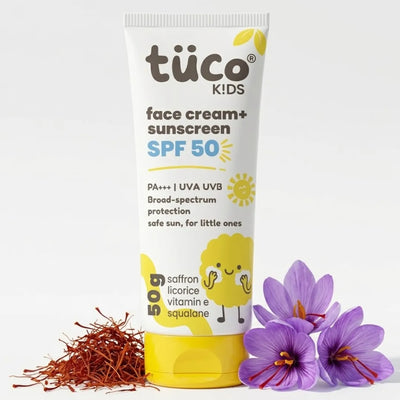
- Saffron: Antioxidant, brightening, improving circulation
- Turmeric: Anti-inflammatory, brightening, evening tone
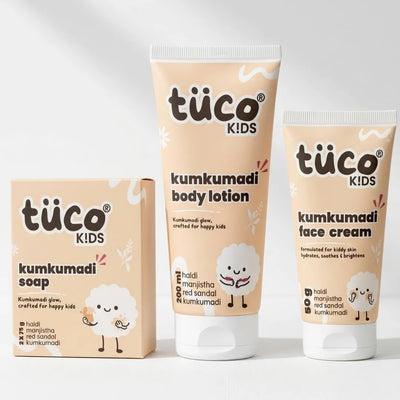
- Kumkumadi (traditional Ayurvedic blend): Multiple herbs for radiance
- Sandalwood: Cooling, soothing, brightening
Products incorporating these time-tested ingredients address both dryness and dullness simultaneously, providing comprehensive winter facial care.
Modern formulations: Combine traditional ingredients with proven moisturizers for optimal results.
4. Consistent Cleansing
Remove daily accumulated pollution, dirt, and oil through proper twice-daily face washing.
Why essential: This prevents buildup contributing to dull appearance while preparing skin for effective moisturizer absorption.
Cleansing rules:
- Morning: Removes overnight oils, preps for moisturizer
- Evening: Removes day's pollution, dirt, makeup (if applicable)
- Use mild gentle face wash suitable for children avoiding harsh products that worsen dryness despite cleaning effectively
- Lukewarm water only (hot strips oils)
- Gentle technique (no scrubbing)
Complete Facial Care Systems for Dull Winter Skin
Coordinated products working together:
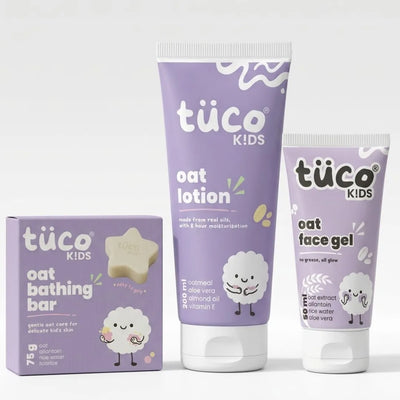
Ultimate Dull Skin Solutions
- Soap + Lotion (100ml) + Sunscreen SPF 50 + Face Cleanser
- Complete system addressing all aspects
- Coordinated formulation
- Everything needed in one kit
Why complete systems work better:
- Products designed to complement each other
- Comprehensive approach (cleanse + moisturize + protect)
- No guesswork about compatibility
- Convenience (family more likely to use consistently)
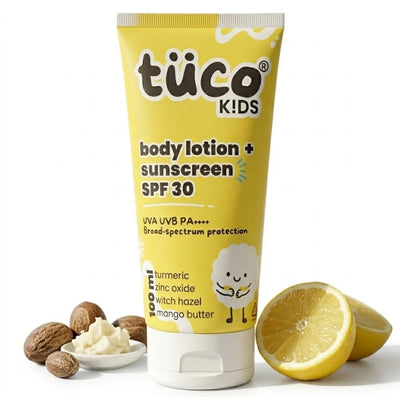
- Lotion + Sunscreen SPF 50
- Targeted dullness treatment
- Simplified two-step approach
- Dull Skin Lotion + Dull Skin Soap + Sunscreen SPF 30
- Age-appropriate formulations
- Complete daily routine
Benefits:
- Coordinated product systems designed to work together show better results than mixing random products hoping for improvements
- Age-appropriate formulations suitable for children's developing skin
- Consistency over intensity: Regular daily gentle care works better than occasional intensive treatments
Prevention Through Daily Care
Stopping dullness before it starts:
Morning Protection Routine
Start each day with proper facial care creating protective barrier against environmental stress.
Morning essential steps:
- Gentle cleansing removing overnight oils (lukewarm water, mild face wash)
- Immediate moisturizing to damp skin (seals moisture)
- Sun protection even during winter (UV present year-round)
Total time: 3-4 minutes
This brief routine provides foundation preventing the damage manifesting as color changes.
Evening Recovery Care
Nighttime offers optimal healing period when skin repairs daily damage.
Evening comprehensive care:
- Complete gentle cleansing (removes day's pollution, dirt)
- Optional: Weekly gentle exfoliation (1-2x weekly—use washcloth method)
- Generous moisturizer application (richest formulation)
- Targeted treatment for problem areas (extra on very dry spots)
Total time: 5-7 minutes
Thorough evening cleansing removes accumulated pollution and dirt while rich moisturizing supports overnight renewal.
Adequate Hydration
Internal moisture supports external skin appearance.
Ensure children drink 6-8 glasses water daily maintaining overall hydration reflecting in skin brightness.
Age-specific guidelines:
- Ages 4-8: 5 cups (40 oz)
- Ages 9-13: 7-8 cups (56-64 oz)
- Teens: 8-11 cups (64-88 oz)
Winter challenge: Reduced thirst signals mean children often drink less when they actually need more combating dry indoor and outdoor environments.
Solutions: Warm herbal teas, soups, water-rich fruits count toward hydration.
Nutritional Support
Include vitamin C-rich foods (oranges, guavas, tomatoes) supporting skin brightness, antioxidant vegetables (carrots, spinach, beetroot) fighting pollution damage, and adequate protein supporting cell renewal.
Why nutrition matters: Good nutrition creates foundation for healthy vibrant skin that topical care alone cannot achieve.
Skin-supporting foods:
- Vitamin C: Oranges, guavas, strawberries, tomatoes, bell peppers (collagen production, brightness)
- Antioxidants: Carrots, spinach, beetroot, berries (fight free radical damage from pollution)
- Omega-3s: Fish, walnuts, flaxseeds (anti-inflammatory, barrier support)
- Protein: Eggs, chicken, beans, dairy (cell renewal, repair)
- Vitamin E: Nuts, seeds, avocados (skin protection)
Addressing Specific Concerns
Targeted approaches for different issues:
Very Dry Dull Complexions
Children with naturally dry skin showing extreme dullness need richest moisturizing formulations available for their age group. Standard lotions may prove insufficient.
Look for:
- Intensive moisture products
- Designed for very dry or sensitive skin
- Maximum hydration without irritation
- Thicker, richer textures
Application: May need 2-3 applications daily (morning, after school, bedtime).
Uneven Tone Issues
Patchy uneven complexions benefit from targeted treatment applying extra moisturizer to darkest driest areas while maintaining overall facial care.
This combination approach addresses both general dullness and specific problem zones simultaneously.
Strategy:
- General facial routine (entire face)
- Extra moisturizer on problem areas (cheeks, around mouth, etc.)
- May need different product strengths for different zones
Sensitive Reactive Skin
Children whose skin reacts to many products need extremely gentle fragrance-free formulations designed specifically for very sensitive types.
These specialized products provide needed care without triggering the reactions worsening both appearance and comfort.
Key features:
- Fragrance-free (synthetic fragrances major allergen)
- Minimal ingredients
- Hypoallergenic
- Dermatologist-tested
- For very sensitive skin labels
Environmental Factors
Managing your child's surroundings:
Indoor Air Quality
Maintain adequate bedroom humidity (40-50%) preventing overnight moisture loss contributing to morning dullness. Run humidifiers in children's rooms throughout winter.
Why it works: Humid air = less water lost from skin overnight.
Better indoor air quality supports skin health while children sleep during critical healing hours.
Humidifier guidelines:
- Clean regularly (prevent mold, bacteria)
- Monitor humidity (too high = mold growth)
- Position near child but not directly blowing on them
Pollution Protection
In high-pollution areas, thorough evening cleansing becomes especially important removing environmental toxins before they penetrate deeply or cause oxidative damage.
Some families in severely polluted cities benefit from gentle midday face rinsing removing accumulated particles (if feasible—school permitting).
High-pollution strategies:
- Double cleanse evening (oil-based then water-based)
- Antioxidant-rich moisturizers (fight free radical damage)
- Indoor air purifiers
- Limit outdoor time during high-pollution alerts
Sun Exposure Balance
While avoiding excessive UV exposure, ensure children get some safe sun time supporting vitamin D production.
Even 15-20 minutes daily in mild morning or late afternoon sun helps.
This sun exposure supports overall health including skin vitality showing in improved appearance.
Safe sun guidelines:
- Morning (before 10 AM) or late afternoon (after 4 PM)
- 15-20 minutes daily
- Exposed forearms, face
- Avoid midday intense sun
- Still use sunscreen if extended exposure
Sunscreen importance: Even winter sun causes damage—daily SPF application critical.
Related resources:
- Best Sunscreen For Kids In India: SPF 30 Vs SPF 50
- Which SPF Sunscreen Is Best For Teenage Girls
- Sunscreen For Teenage Girls
When to Consult Professionals
Recognizing when home care insufficient:
Persistent Darkening
If skin continues darkening despite proper care or develops distinct dark patches rather than overall dullness, consult dermatologist ruling out hyperpigmentation conditions.
Red flags:
- Darkening worsening despite treatment
- New dark spots appearing
- Asymmetric patterns (one side different from other)
- Accompanied by other symptoms
Unusual Patterns
Color changes in specific patterns, accompanied by other symptoms, or appearing suddenly rather than gradually may indicate medical issues requiring professional evaluation.
Concerns:
- Butterfly pattern across cheeks/nose
- Linear streaks
- Very dark patches isolated areas
- Painful or itchy color changes
No Improvement
Consistent proper care for 4-6 weeks should show noticeable improvement. Persistent dullness despite good routines warrants medical assessment ensuring no underlying problems.
When to seek help:
- 6 weeks consistent care, no change
- Worsening despite treatment
- Child distressed
- Parents uncertain about cause
Building Sustainable Solutions
Long-term habits, not quick fixes:
Making Care Automatic
Integrate facial care into existing daily routines positioning it alongside teeth brushing or other established habits ensuring consistency.
Habit stacking:
- Morning: Wake → bathroom → wash face → brush teeth → moisturize
- Evening: Dinner → bath → wash face → brush teeth → moisturize → bed
Visible product placement removes barriers to use. Face wash and moisturizer sitting obviously on bathroom counter get used far more reliably than products hidden in cabinets.
Teaching Self-Sufficiency
As children mature, teach proper application techniques building independence.
Show:
- Correct gentle cleansing
- Appropriate moisturizer amounts (pea-size for face)
- Importance of consistency
- Why we do it (understanding increases compliance)
Self-sufficient children maintain good habits even without parental supervision creating foundation for lifelong healthy skin.
Age milestones:
- 6-8 years: Supervised, learning
- 9-11 years: Supervised spot-checks
- 12+ years: Independent with reminders
Tracking Improvement
Take photos documenting initial dullness and subsequent improvement with proper care.
Why photos work:
- Visual progress motivates continued effort
- Daily changes too gradual to notice
- Before-after comparison shows real results
Before-and-after comparisons reinforce value of consistent care encouraging long-term habit maintenance beyond winter season.
Photo guidelines:
- Same lighting each time
- Same location, angle
- Natural expression
- Weekly progress shots
The Bottom Line
Winter skin color changes: common, reversible, manageable.
Key Takeaways
Why winter changes children's skin appearance: ✗ Dead cell accumulation (creates gray dulling layer) ✗ Severe dehydration (reduces natural luminosity) ✗ Reduced blood circulation (limits oxygen, nutrients) ✗ Vitamin D deficiency (from limited sun exposure) ✗ Environmental pollution impact (oxidative stress)
How to restore natural color: ✓ Gentle weekly exfoliation (removes dulling layer) ✓ Intensive moisturizing (addresses underlying dryness) ✓ Traditional brightening ingredients (saffron, turmeric) ✓ Consistent cleansing (twice daily, mild products) ✓ Adequate hydration (6-8 glasses water)
Best products: ✓ Ultimate Dull Skin Kit: Complete system ✓ Bye, Dull Skin Kit: Simplified approach ✓ Dull Skin Regimen: Age-appropriate care
Prevention strategies: ✓ Morning protection routine (3-4 minutes) ✓ Evening recovery care (5-7 minutes) ✓ Indoor humidity 40-50% ✓ Nutritional support (vitamin C, antioxidants, protein) ✓ Safe sun exposure (15-20 minutes daily)
The Core Message
Winter skin color changes in kids are temporary, reversible, and normal—not a sign of poor hygiene, illness, or permanent change. They result from environmental factors affecting how skin looks, not what skin actually is.
With proper care:
- Noticeable improvement: 1-2 weeks
- Significant restoration: 4-6 weeks
- Full natural glow return: 2-3 months consistent care
Your child's natural beautiful complexion is still there—just temporarily obscured by winter's harsh effects. The right care reveals it again.
This isn't about "whitening" or changing natural tone—it's about eliminating the temporary dullness, dryness, and uneven appearance that winter creates, allowing your child's healthy natural radiance to shine through.
Choose age-appropriate formulations designed for children's delicate skin, establish simple consistent routines, and watch your child's natural glow return—confident, comfortable, and ready for those wedding photos.
Related Resources: