



Best Winter Face Cream for Kids
A child's face takes the brunt of winter: wind on the school run, heated classrooms and frequent washing all dry cheeks and chins. A good winter face cream forms a protective layer without clogging pores or stinging delicate skin. Choosing a face cream for winter comes down to texture, ingredients and whether your child will actually use it.
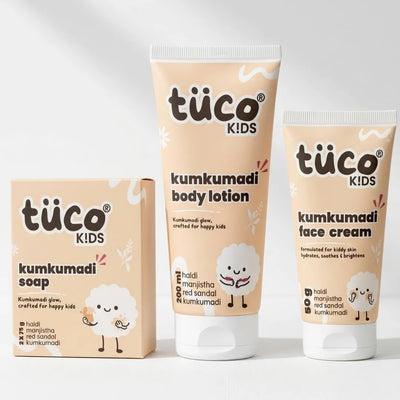
Our Kumkumadi Kit includes a Kumkumadi face cream with a soap and lotion, designed for ages 3 and up.
Shop Kumkumadi Kit

Contents
- What to Look For
- Why Faces Dry Out
- Ingredients That Help
- Cream vs Lotion for the Face
- How to Apply
- Before Outdoor Play
- Common Mistakes
- Patch Testing and Sensitivity
- Face Care by Age
- Cheeks, Lips and the Skin Around the Mouth
- A Simple Morning and Evening Routine
- Quick Decision Guide
- When to See a Doctor
- FAQs
- Related Reads
What to Look For
| Product | Key Features | Best For | Age Range |
|---|---|---|---|
| Kumkumadi Kit | Kumkumadi Soap, Lotion & face cream | Whole-routine winter care | 3–15 years |
| Deep Moisture Body Lotion | Rich body moisturiser (not for the face) | Body dryness | 3–15 years |
Why Faces Dry Out
Facial skin is thinner than body skin in many areas and is constantly exposed to wind and cold. Frequent washing, scarves rubbing the chin and lip licking around the mouth add to the damage. Cheeks and the area around the mouth are most commonly affected.
Children also touch and rub their faces, which transfers irritants and adds friction. A protective cream gives the skin a buffer.
Ingredients That Help
Look for humectants such as glycerin, emollients like plant oils and butters, and a light occlusive layer. Avoid heavy fragrance, alcohol and strong actives. A short ingredient list is a good sign, and a patch test on the jaw or behind the ear helps rule out reactions.
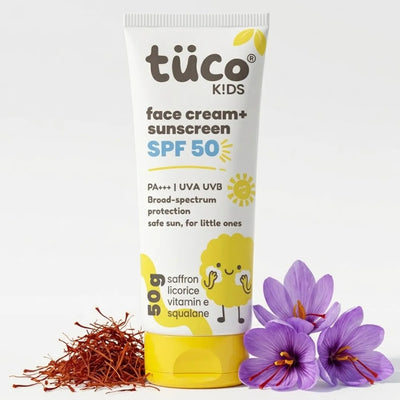
Traditional ingredients such as saffron-based blends have long been used in Indian skincare, but check any botanical blend for fragrance and test it first.
Cream vs Lotion for the Face
A cream is thicker and stays longer, making it better for the cheeks in cold winds. A lotion absorbs more quickly and suits oily areas. Many children do best with a cream on the cheeks and a lighter layer on the forehead and nose.
Do not use a heavy body lotion on the face unless the product says it is suitable; it may be too rich and clog pores in older children.
How to Apply
Wash gently with lukewarm water, pat dry and apply a thin, even layer while the face is slightly damp. Use clean fingers and avoid the eyes and lips. A pea-sized amount is enough for most young children.
Apply in the morning and at bedtime. Reapply to cheeks after outdoor play if they feel tight.
Before Outdoor Play
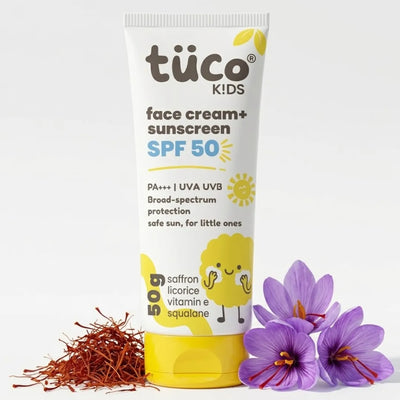
Apply cream 15 to 20 minutes before going out so it can settle. In strong winter sun or at altitude, add a sunscreen suitable for children over the cream. A scarf over the lower face protects against wind but should be soft to avoid rubbing.
Come inside and wipe away sweat or moisture, as damp skin in the cold can chap faster.
Common Mistakes
Over-washing the face, using hot water, picking at flakes and switching products frequently are the main culprits. Another is stopping the cream once the skin looks better, which often leads to a relapse within days.
Give any new product two weeks, unless it causes irritation, and keep the routine simple.
Patch Testing and Sensitivity
Test any new face cream on a small area, such as the jawline or behind the ear, for a day. Facial skin is more reactive than body skin, and a small test avoids a bigger problem. Fragrance and preservatives are the most common triggers.
If your child has eczema or reacts easily, ask your pediatrician which products suit them.
Face Care by Age
Under 3, ask your pediatrician for a suitable product and keep the routine minimal. Between 3 and 10, a gentle wash and a light cream are enough. From about 10 onward, children may start sweating more and developing oilier patches, so a lighter cream and gentle cleanser help.
Teens may need a routine that balances oil control and hydration; avoid heavy creams if they are prone to breakouts.
Cheeks, Lips and the Skin Around the Mouth
Cold winds redden cheeks, and lip licking inflames the skin around the mouth. A thin layer of cream on the cheeks and a lip balm help. Avoid applying face cream on the lips unless the product says it is suitable.
Keep a soft scarf to protect against wind, and wash it regularly, as a damp or dirty scarf can irritate.
A Simple Morning and Evening Routine
Morning: splash or wash gently, pat dry, apply a thin layer of cream and add sunscreen if it is sunny. Evening: wash off the day, pat dry and apply a slightly thicker layer of cream.
Keep the routine short so it gets done. Children are more likely to follow a two-step habit than an elaborate one, and a calm, consistent routine matters more than any single product.
Quick Decision Guide
- Cheeks tight and rosy after outdoors? → Apply a cream before going out.
- Flaky patches on the face? → Moisturise twice daily and wash gently.
- Red, itchy patches with a rash look? → See a doctor, as it may be eczema.
- Under 3? → Ask your pediatrician for a suitable product.
When to See a Doctor
See a doctor if the face is red, cracked or weepy, if patches itch intensely, if there is swelling or hives after a product, or if dryness persists beyond two weeks of consistent care.
FAQs
What is the best winter face cream for kids?
A fragrance-light cream with moisturising ingredients, applied twice daily.
Can I use body lotion on my child's face?
Only if the product is suitable for the face; otherwise choose a face cream.
Is a face cream for winter different from a summer one?
Winter creams are richer and more protective.
At what age can kids use face cream?
Tuco Kids' kit is labeled for ages 3 and up; ask your pediatrician for younger children.
How often should I apply it?
Morning and bedtime, and after outdoor play if needed.
Should my child wear sunscreen in winter?
Yes during strong sun or altitude exposure.
Why do my child's cheeks get so red in winter?
Cold and wind irritate the skin and dilate blood vessels.
Can face cream cause breakouts?
Heavy products can clog pores in older children, so choose a light cream.