



Best Moisturizer for Dry Skin in Kids This Winter
Winter dries out kids' skin faster than most parents expect, and reaching for the nearest bottle labeled "moisturizer for dry skin" doesn't always solve it — the wrong texture, formula, or application timing can leave skin just as dry by evening as it was that morning. A good winter moisturizer for kids needs to do more than sit on the surface; it needs to actually rebuild what cold, dry air strips away.
This guide covers what actually makes a moisturizer effective for a child's winter-dry skin, how to choose the right texture and ingredients, and when a basic lotion isn't enough.
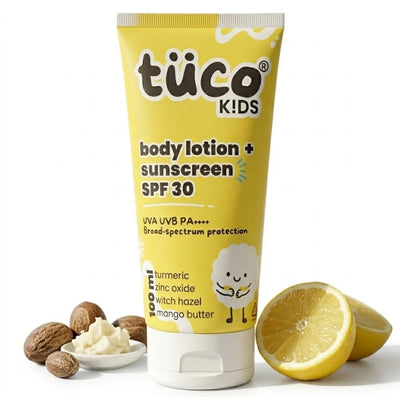
Shop Deep Moisture Body Lotion

Contents
- Quick Comparison
- Why Winter Dryness Is Different
- Ingredients That Actually Rebuild the Barrier
- Why Texture Matters More Than Parents Think
- When and How to Apply for Best Results
- Quick Decision Guide
- When to See a Doctor
- FAQs
- Related Reads
Quick Comparison
| Product | Best For | Age Range |
|---|---|---|
| Deep Moisture Body Lotion | Daily winter dryness across the body | 3–15 years |
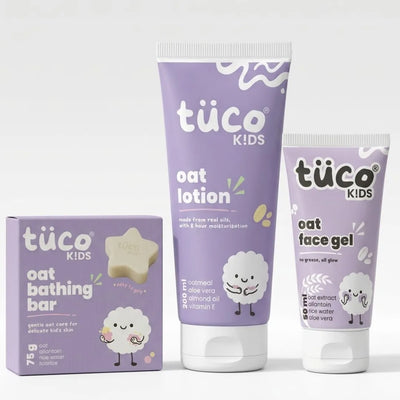
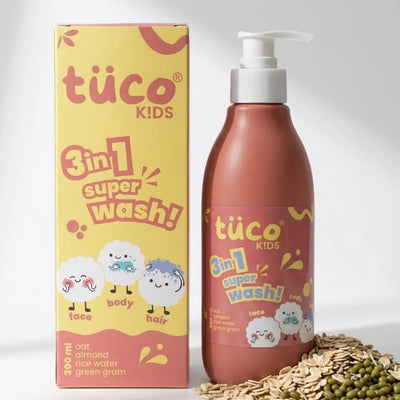
| 3-in-1 Oat Kit | Very young or sensitive/reactive skin | 2–15 years |
Why Winter Dryness Is Different
Skin stays hydrated through a combination of natural oils and a protein-and-lipid barrier that slows water loss from within. In winter, two things work against this at once: outdoor humidity drops sharply, pulling moisture out of the skin faster than usual, and indoor heating — whether from a heater or a warm, sealed room — dries the surrounding air further, sometimes even more aggressively than the cold outside. A child's skin, which already has a thinner barrier and proportionally more surface area relative to body volume than an adult's, loses water even faster under these same conditions.
This is why a moisturizer that worked fine in summer often falls short come winter — a light, hydrating lotion built to add a small boost of moisture to already-healthy skin isn't formulated to actively slow the more aggressive water loss winter conditions create. Winter skin needs a formula built to rebuild and seal, not just hydrate lightly.
Ingredients That Actually Rebuild the Barrier
Effective winter moisturizers typically combine three ingredient types, each doing a different job. Humectants (like glycerin) draw water into the skin's outer layer. Emollients (like oils and shea butter) smooth and soften the texture between skin cells. Occlusives (like petrolatum-derived ingredients or certain plant butters) form a physical layer on top that slows water evaporation — this last category is often the one missing from lighter, summer-oriented lotions, and it's specifically what makes a difference in dry winter air.
A formula that includes all three does meaningfully more than one relying on humectants alone, since drawing water in without also sealing it means that moisture can evaporate right back out within an hour or two — which is why a lotion can feel good going on and still leave skin dry again by afternoon.
Why Texture Matters More Than Parents Think
Thinner, more water-based lotions absorb quickly and feel lighter, which makes them pleasant for daily use but generally means less occlusive protection. Thicker creams and balms sit longer on the skin and provide stronger occlusion, at the cost of feeling heavier and taking longer to absorb — a trade-off that matters practically, since a child who dislikes the feel of a heavy cream may resist application entirely, undermining even the best formula.
For most kids, a middle-ground lotion — thick enough to genuinely address winter dryness but light enough not to feel unpleasant under clothing — hits the practical balance better than either extreme, since consistent daily use of a "good enough" moisturizer beats occasional use of a "perfect" one a child refuses to sit still for.
Shop 3-in-1 Oat Kit

When and How to Apply for Best Results
Moisturizer works best applied within a few minutes of bathing, while skin is still slightly damp — this traps the water already on the skin's surface rather than letting it evaporate first and then trying to add moisture back afterward. This single timing change often makes a bigger difference than switching products entirely, since it directly addresses how the moisturizer interacts with water already present on the skin.
A second application before bed, particularly on hands, elbows, and knees where skin is thinner and dries faster, helps maintain hydration through the night when a child isn't drinking water or generating body moisture through activity the way they do during the day.
Quick Decision Guide
- Is skin dry but not flaking, cracking, or red? → A daily lotion applied after bathing should be enough to manage it through winter.
- Is skin flaking or showing rough, textured patches? → Step up to a thicker, more occlusive cream and apply twice daily.
- Does skin stay dry even with twice-daily moisturizer use? → Check if a humidifier at home and warmer bath water temperatures might be worth adjusting alongside the moisturizer routine.
- Is the skin cracked, bleeding, or clearly uncomfortable for your child? → This has moved beyond simple dryness and is worth a doctor's look.
When to See a Doctor
Ordinary winter dryness should respond to consistent moisturizing within a week or two. See a doctor if skin cracks and bleeds, if patches become red, inflamed, or intensely itchy in a way that disrupts sleep or daily activity, if dryness doesn't improve at all despite consistent, correct moisturizer use, or if you notice patterns that look like eczema (well-defined red patches, particularly in skin folds) rather than simple generalized dryness — these can benefit from a more targeted treatment approach than a standard moisturizer alone.
FAQs
What is the best moisturizer for a child's dry skin in winter?
Look for a formula that combines humectants, emollients, and an occlusive ingredient, applied within minutes of bathing for the best results.
How often should I moisturize my child's skin in winter?
Twice daily works well for most children in winter — once after bathing and once before bed — though very dry skin may benefit from more frequent spot application on hands and elbows.
Why does my child's skin stay dry even after moisturizing?
This is often due to timing (applying to fully dry rather than damp skin) or an under-occlusive formula that isn't sealing moisture in effectively enough for winter conditions.
Is a thicker cream always better than a lighter lotion for winter?
Not necessarily — a lighter lotion used consistently often works better in practice than a thicker cream a child resists applying, so tolerability matters alongside formula strength.
Can I use body lotion on my child's face in winter?
Body lotion formulas are generally fine for the body but can be too heavy or occlusive for the more sensitive skin on the face — a lighter, face-specific formula is usually a better fit there.
Does a humidifier help alongside moisturizer?
Yes — a humidifier addresses the air's dryness directly, complementing what a moisturizer does at the skin level, and the two together often work better than either alone in very dry winter air.
How can I tell if dry skin is actually eczema?
Eczema typically shows as well-defined, often red and intensely itchy patches, frequently in skin folds like elbows and behind knees, while general dryness is more diffuse and less itchy — a doctor can confirm the distinction if it's unclear.
Should bath water temperature change in winter for dry skin?
Yes — very hot water strips natural oils faster than lukewarm water, so keeping baths warm rather than hot helps reduce how much moisture is lost during bathing itself.