



Vitamin E Oil for Kids' Winter Skin: Benefits & How to Use It Safely
Vitamin E oil shows up in an enormous range of skincare products, from everyday moisturizers to specialized treatments, and its reputation as a genuinely beneficial skin ingredient is well earned — particularly for winter, when skin needs all the barrier support it can get. Understanding the real vitamin e benefits for skin in kids, separate from marketing claims, helps parents decide how and whether to incorporate it into their child's winter routine.
This guide covers what vitamin E actually does for skin, whether is vitamin e good for skin holds up for children specifically, and how to use it safely alongside a broader winter skincare approach.
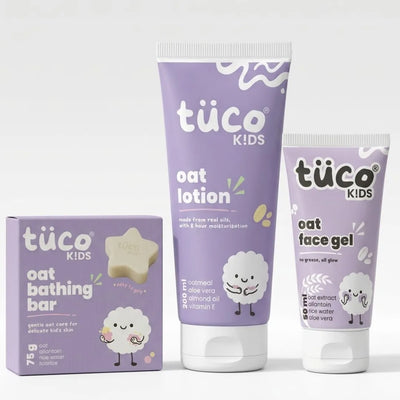
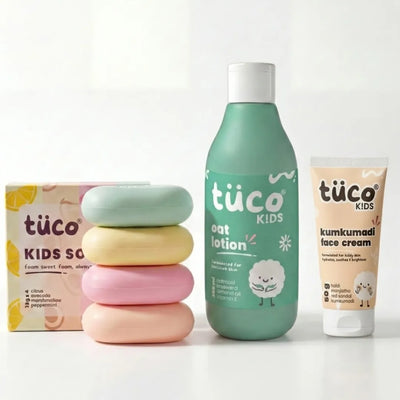
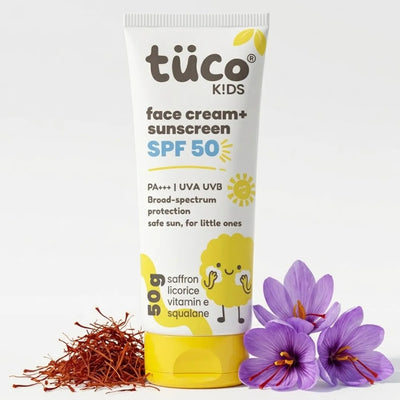
Tuco Kids tip: Look for vitamin E as one ingredient within a well-formulated, kid-safe moisturizer rather than using concentrated pure vitamin E oil directly, which tends to be thicker and more likely to feel greasy or clog pores on a child's face.

Contents
- Vitamin E for Kids' Skin at a Glance
- What Vitamin E Actually Does for Skin
- Separating Evidence From Marketing Claims
- Is Vitamin E Oil Good for Kids' Skin Specifically?
- Pure Vitamin E Oil vs. Formulated Products
- How to Use Vitamin E Oil Safely on Kids
- Should You Use Vitamin E on Your Child?
- When to Avoid or Be Cautious
- FAQs
- Related Reads
Vitamin E for Kids' Skin at a Glance
| Form | Best For | Age Recommendation |
|---|---|---|
| Pure concentrated vitamin E oil | Small, targeted dry patches only | 3+ years, patch-tested, used sparingly |
| Formulated moisturizer containing vitamin E | Everyday winter face and body use | Ages 3+ (Tuco Oat Kit) |
What Vitamin E Actually Does for Skin
Vitamin E is a fat-soluble antioxidant that helps protect skin cells from oxidative stress and supports the skin's natural barrier function, which is directly relevant to winter skin concerns given how much barrier stress cold, dry air places on skin. It also has a moisturizing effect, helping skin retain water more effectively, which is part of why it's such a common ingredient in moisturizing formulations specifically marketed for dry or winter skin concerns. These properties are genuinely useful and reasonably well-supported by research, even if some individual marketing claims around vitamin E stretch beyond what the evidence solidly supports.
Separating Evidence From Marketing Claims
Vitamin E's antioxidant and moisturizing properties are reasonably well-established in scientific literature, but some of the more dramatic claims occasionally made about it — dramatic scar reduction, for instance — have weaker or more mixed research support than the ingredient's popularity might suggest. This doesn't mean vitamin E isn't useful; it means treating it as a genuinely helpful, supportive ingredient within a broader skincare routine, rather than a singular miracle solution, sets more realistic and ultimately more satisfying expectations.
Is Vitamin E Oil Good for Kids' Skin Specifically?
For most kids, vitamin E incorporated into a well-formulated moisturizer is a reasonable, generally well-tolerated ingredient that supports winter skin barrier function without much downside. Pure, highly concentrated vitamin E oil applied directly is a different matter — it's considerably thicker and more potent than the diluted amounts found in formulated products, and while not inherently unsafe, it's more likely to feel uncomfortably greasy, potentially clog pores, or in rare cases cause contact dermatitis in sensitive individuals, including some children. This is part of why a formulated product containing vitamin E as one ingredient among others tends to be the more practical, comfortable choice for regular use on kids compared to using pure vitamin E oil directly.
Pure Vitamin E Oil vs. Formulated Products
Pure vitamin E oil is highly concentrated and has a notably thick, sticky texture that many people, including kids, find uncomfortable for regular facial use, even though it can be useful in small amounts for specific, targeted dry patches. Formulated products that include vitamin E alongside other moisturizing and skin-supporting ingredients typically deliver a more balanced, comfortable, and practically usable amount, since the vitamin E is diluted within a broader formulation designed for everyday comfort and absorption. For most winter skincare purposes on kids, a good formulated moisturizer containing vitamin E offers the practical benefits without the downsides of using the concentrated pure oil directly on a daily basis.
How to Use Vitamin E Oil Safely on Kids
If using pure vitamin E oil for a specific, targeted dry patch, a very small amount, patch-tested first on a separate area of skin, applied sparingly rather than liberally, minimizes the risk of an uncomfortably greasy feel or potential irritation. For everyday, broader use, choosing a formulated moisturizer that lists vitamin E among its ingredients, rather than pure oil, is generally the more practical and comfortable approach for regular winter use on a child's face and body. Always patch-testing any new product, whether pure oil or formulated, remains a sensible precaution before broader application, particularly for a child using it for the first time.
Should You Use Vitamin E on Your Child?
Do you have a specific, small dry patch you're trying to target? If yes, a small amount of pure vitamin E oil, patch-tested, applied sparingly, is a reasonable targeted option. Are you looking for a general, everyday winter moisturizing routine? If yes, a formulated moisturizer containing vitamin E offers more practical, comfortable daily use than pure oil. Has your child shown sensitivity to vitamin E or similar oil-based products before? If yes, proceed cautiously with a smaller patch test area, or consider an alternative ingredient. Is your child's skin generally healthy without particular sensitivity concerns? If yes, either approach is reasonable depending on your specific goal.
When to Avoid or Be Cautious
Any child with a known sensitivity or previous reaction to vitamin E or oil-based topical products should avoid it or proceed only with careful patch-testing and close monitoring. Very oily or acne-prone skin, even during winter, may not benefit from the additional oil content, particularly from pure concentrated vitamin E oil, which is more likely to feel heavy or contribute to congestion on this skin type. If any redness, itching, or breakout develops after use, discontinuing and consulting a pediatrician if symptoms persist is the appropriate response, as with any new topical ingredient.
FAQs
What are the real vitamin e benefits for skin in kids during winter?
Its antioxidant properties help protect skin cells from stress, and its moisturizing effect supports water retention in skin, both genuinely useful for combating winter dryness.
Is vitamin e oil for face safe to use directly on kids?
Pure concentrated vitamin E oil can be used sparingly for targeted dry patches, but a formulated moisturizer containing vitamin E is generally more comfortable and practical for everyday facial use on kids.
Is vitamin e good for skin claims backed by real evidence?
Its antioxidant and moisturizing properties are reasonably well-supported, though some more dramatic claims (like significant scar reduction) have weaker research support than popular belief suggests.
What's the difference between vitamin e oil and vitamin E in a regular moisturizer?
Pure vitamin E oil is highly concentrated and thicker, while formulated moisturizers dilute vitamin E within a broader formula, generally making the latter more comfortable for regular use.
How should I use vitamin e oil safely on my child's skin?
Use a small amount for targeted dry patches only, patch-test first, and prefer a formulated moisturizer containing vitamin E for everyday, broader use rather than pure concentrated oil.
Can vitamin E oil cause any reactions in children?
In rare cases, yes — some individuals, including some children, can experience contact dermatitis or irritation from concentrated vitamin E oil, making patch-testing an important precaution.
Is vitamin E oil suitable for oily or acne-prone skin in winter?
It may feel too heavy or contribute to congestion on very oily or acne-prone skin, even in winter, so a lighter formulated product may be more suitable for this skin type.