



Natural Winter Skincare Tips for Kids: Home Remedies That Actually Work
Winter skincare for kids doesn't have to mean a cabinet full of specialized products — some of the most effective winter skin care tips are simple, natural approaches that Indian households have relied on for generations, often using ingredients already in the kitchen or bathroom. Knowing genuinely how to take care of skin in winter naturally, rather than reaching for the first product marketed as a winter solution, helps parents build a routine that actually addresses their child's specific dryness.
This guide pulls together the most reliably effective natural remedies for winter skin, organized into a practical dry skin care routine in winter that most families can realistically follow.
Tuco Kids tip: Natural remedies work best as part of a consistent routine rather than a one-off treatment — pairing them with a proper daily moisturizer designed for kids gives the most reliable, all-day protection.

Contents
- Natural Winter Remedies at a Glance
- Why Natural Remedies Genuinely Help
- Bathing Adjustments That Make a Real Difference
- Oil-Based Remedies for Winter Dryness
- Natural Ingredient Remedies Worth Trying
- Building a Full Dry Skin Care Routine in Winter
- Environmental Factors Beyond Skincare Products
- Choosing What's Right for Your Child
- When Home Remedies Aren't Enough
- FAQs
- Related Reads
Natural Winter Remedies at a Glance
| Remedy | Best For | Age Recommendation |
|---|---|---|
| Warm oil massage (sesame/almond) | General dryness, pre-bath routine | 1 month+, patch-tested |
| Aloe vera gel | Windburn, light daytime hydration | 1+ years |
| Shea butter | Stubborn dry patches (elbows, heels) | 6 months+ |
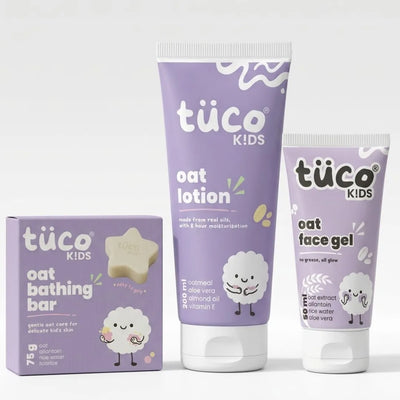
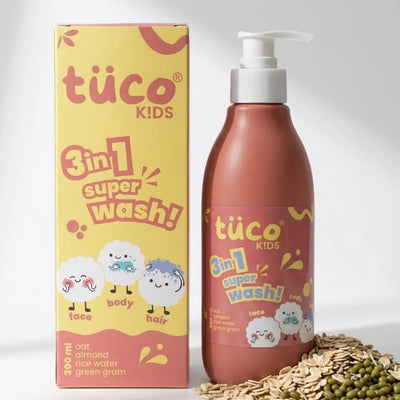
| Everyday moisturizing routine | Tuco 3-in-1 Oat Kit for consistent daily care | Ages 3+ |
Why Natural Remedies Genuinely Help
Many traditional natural remedies for winter skin have persisted across generations precisely because they address the same fundamental problem — moisture loss from cold, dry air — using ingredients with genuinely useful properties, whether that's an oil's fatty acid content or aloe vera's soothing hydration. This isn't to say every traditional remedy is equally well-supported by modern research, but the core mechanisms behind the most enduring ones (oiling, gentle bathing adjustments, rich natural moisturizers) align well with what dermatology also recommends for winter skin, which is part of why they've remained relevant rather than being replaced entirely by newer product categories.
Bathing Adjustments That Make a Real Difference
Shortening bath time and using lukewarm rather than hot water are two of the simplest, most effective changes for winter skin, since hot water and prolonged soaking both strip more of skin's natural protective oils than most parents realize. Applying a moisturizer within a few minutes of bathing, while skin is still slightly damp, helps trap in more moisture than applying it to fully dry skin later, a small timing change that makes a genuinely noticeable difference. Reducing soap use to just the areas that actually need it (rather than a full-body lather every bath) and choosing a mild, fragrance-free cleanser over a harsher soap also meaningfully reduces winter dryness.
Oil-Based Remedies for Winter Dryness
A warm pre-bath oil massage, using sesame, almond, or coconut oil depending on your child's skin and your regional climate, remains one of the most effective and traditional approaches to winter dryness, discussed in more depth in our dedicated massage oil guide. For particularly dry hands and feet, a slightly more generous application of oil before bed, followed by socks or light gloves overnight, creates an intensive overnight treatment that many families find effective for stubborn dryness in these commonly affected areas.
Natural Ingredient Remedies Worth Trying
Turmeric, in a well-diluted, patch-tested preparation, offers traditional soothing benefit for occasional use, covered in more detail in our dedicated turmeric guide. Aloe vera gel provides light, fast-absorbing hydration particularly well-suited to windburn and daytime use under clothing. Shea butter's rich, occlusive texture handles the most stubborn dry patches — elbows, knees, cracked heels — better than lighter alternatives. Honey, applied briefly as a face mask and rinsed off, has some documented humectant (moisture-attracting) properties, though it's less commonly used for kids specifically given the mess and the general recommendation to avoid honey internally for children under one year (a precaution that applies to ingestion risk rather than topical use, but worth being aware of in households with an infant present).
Building a Full Dry Skin Care Routine in Winter
A practical winter routine might start with a warm oil massage two to three times a week before bath time, followed by a lukewarm, short bath using a mild cleanser only where needed. Moisturizing immediately after bathing, while skin is still damp, with either a natural remedy suited to the specific area (shea butter for elbows and heels, a lighter option for the face) or a formulated moisturizer, locks in the bath's hydration. Throughout the day, a light touch-up — aloe vera or a lip balm for exposed areas — addresses ongoing moisture loss from cold air exposure, particularly for kids spending time outdoors.
Environmental Factors Beyond Skincare Products
A humidifier in a child's bedroom, particularly in homes using indoor heating that further dries the air, can meaningfully reduce overnight moisture loss and is a genuinely effective complement to any topical routine, since it addresses the environmental cause rather than only the symptom. Dressing in breathable, natural fabrics next to skin, rather than synthetic materials that can trap heat and cause additional irritation through sweat and friction, is a simple environmental adjustment that supports skin health alongside any topical remedy. Ensuring adequate water intake, easy to overlook in winter when thirst cues are less prominent than in hot weather, also supports overall skin hydration from the inside.
Choosing What's Right for Your Child
Is your child's dryness mild and general? If yes, a consistent bathing adjustment plus a daily moisturizer is often sufficient without needing more intensive remedies. Are there specific stubborn dry patches (elbows, heels, cheeks)? If yes, a targeted rich remedy like shea butter on those specific areas, alongside general care, addresses the issue more directly. Is windburn or outdoor cold exposure a bigger factor than general dryness? If yes, aloe vera and protective clothing choices matter more than intensive moisturizing alone. Has your child's skin not improved despite trying several of these approaches consistently? If yes, it's worth considering whether an underlying condition like eczema needs a more targeted, possibly medical, approach.
When Home Remedies Aren't Enough
If dryness persists, worsens, or is accompanied by significant redness, cracking, or itching despite several weeks of consistent natural remedy use, this may indicate an underlying skin condition like eczema that benefits from a more targeted approach than general winter skincare alone. Any signs of skin infection — increasing redness, warmth, swelling, or discharge from cracked skin — warrant prompt medical attention rather than continued home treatment. For most kids, however, straightforward seasonal dryness responds well to the consistent, simple approaches covered here within a few weeks.
FAQs
What are the most effective winter skin care tips for kids?
Shortening bath time with lukewarm water, moisturizing immediately after bathing while skin is damp, and using a warm pre-bath oil massage are among the most consistently effective approaches.
How to take care of skin in winter naturally without buying lots of products?
Bathing adjustments (lukewarm water, shorter baths), a warm oil massage a few times weekly, and targeted natural remedies like shea butter for stubborn dry patches can address most winter dryness naturally.
What does a good dry skin care routine in winter actually look like day to day?
A warm oil massage before bath a few times weekly, a short lukewarm bath, immediate post-bath moisturizing, and light daytime touch-ups for exposed skin form a practical, sustainable routine.
What is a good winter skin care routine for dry skin specifically?
Combining a rich, targeted remedy (like shea butter) for the driest areas with a lighter, everyday moisturizer for overall use tends to work better than a single product used everywhere.
Does a humidifier actually help with kids' winter skin dryness?
Yes — particularly in homes with indoor heating, a humidifier addresses the environmental cause of moisture loss and works well alongside any topical skincare routine.
How often should I do an oil massage for winter dryness?
Two to three times a week before bath time is a reasonable, sustainable frequency for most kids, though daily massage can help for particularly dry skin if practical for your routine.
When should I stop relying on home remedies and see a doctor?
If dryness persists or worsens despite several weeks of consistent natural remedy use, or if there's significant redness, cracking, or any sign of skin infection, a pediatrician visit is warranted.