



Best Moisturiser for Dry & Sensitive Skin in Kids 2026
Dry, sensitive skin in kids isn't just uncomfortable — it's a sign the skin barrier is struggling to hold onto moisture, and the wrong moisturizer can make that struggle worse instead of better. Kids' skin is thinner than adult skin and loses water faster, which is exactly why a "gentle" adult formula often isn't gentle enough.
Tuco Kids tip: For genuinely dry, tight-feeling skin, richness matters — but it has to be the right kind of rich. The Deep Moisture Body Lotion is built specifically for this — rich enough to repair a dry barrier, without the heaviness that irritates sensitive skin.
Shop the Deep Moisture Body Lotion →

Contents
- Quick Comparison: Best Tuco Products for Dry, Sensitive Skin
- Best Moisturizer for Dry & Sensitive Skin: Full Ranking
- Why Kids Get Dry, Sensitive Skin
- What Dry, Sensitive Skin Looks Like
- Ingredients to Avoid
- Ingredients That Actually Help
- Decision Tree: Building the Right Routine
- When to See a Doctor
- FAQs
- Related Reads
Quick Comparison: Best Tuco Products for Dry, Sensitive Skin
| Ingredients | Tuco Product Solution | Key Product Features | Age-wise Recommendation |
|---|---|---|---|
| Shea butter, almond oil, aloe vera | Deep Moisture Body Lotion | Richest formula in the range — built for genuinely dry, barrier-compromised skin | 3–15 years |
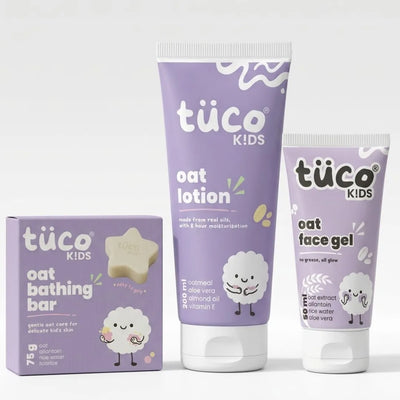
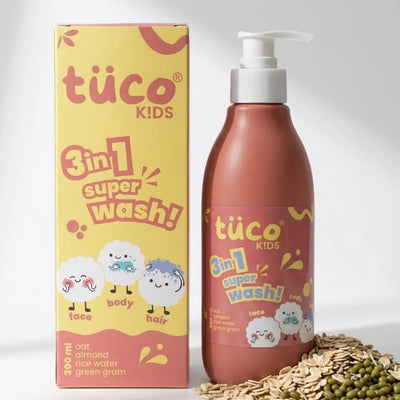
| Oat extract, aloe vera | 3-in-1 Oat Kit | Barrier-repair soap, lotion & face gel — best when dryness and sensitivity overlap | 2–15 years, best for reactive skin |
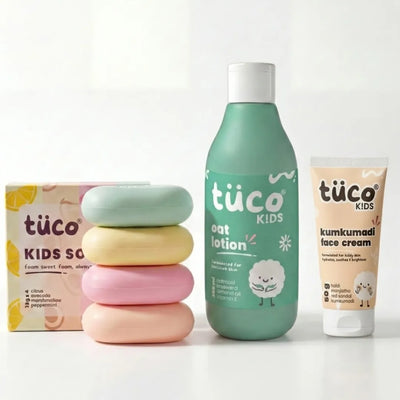
| Turmeric, almond oil | Kids Daily Soap + Kumkumadi Lotion | Everyday hydration for mild, non-flaring dryness | 3–15 years |
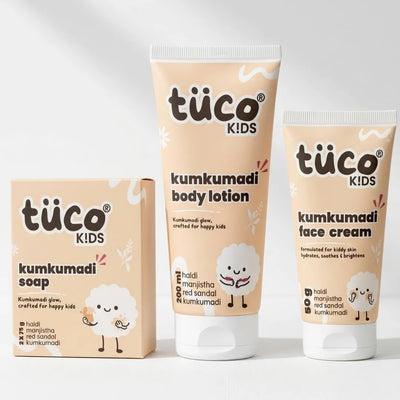
| Saffron, sandalwood, turmeric | 3-in-1 Kumkumadi Kit | Best when dryness has left skin looking dull or uneven in tone | 4–15 years |
Prices vary by pack size and current offers — tap any product name above for live pricing.

Best Moisturizer for Dry & Sensitive Skin: Full Ranking
Here's how the most-searched moisturizers for dry, sensitive skin stack up when you filter for kids specifically — starting with formulas actually built for young skin, followed by other well-known options parents commonly consider.
| Rank | Product | Why It Ranks Here |
|---|---|---|
| 1 | Tuco Deep Moisture Body Lotion | Formulated specifically for children's thinner, faster-drying skin barrier — rich enough for genuine dryness, without heavy fragrance or harsh preservatives. |
| 2 | Tuco 3-in-1 Oat Kit | The go-to when dryness and reactivity overlap — oat extract calms irritation while still delivering real hydration. |
| 3 | Aveeno Baby Daily Moisture Lotion | A long-standing, oat-based option with a strong track record for sensitive skin — a solid pick, though formulated with infants in mind more than older kids. |
| 4 | Cetaphil Baby Daily Lotion | Dermatologist-recommended and fragrance-free — dependable and gentle, though relatively basic with fewer targeted actives for very dry skin. |
| 5 | Vanicream Moisturizing Cream | A dermatologist favorite built around minimal, allergen-conscious ingredients — excellent for very reactive skin, though it can feel heavier in humid climates. |
| 6 | CeraVe Moisturizing Cream | Ceramide-focused and broadly well-tolerated, though formulated for the general market rather than children — check the label before using on younger kids. |
Ranking reflects formulation fit for kids specifically (richness matched to dryness level, fragrance content, gentleness) based on publicly available product information. Always check current ingredient lists and patch test any new product before regular use.

Why Kids Get Dry, Sensitive Skin
- A child's skin barrier is thinner and still developing, which means it loses moisture faster than adult skin and reacts more easily to irritants — this combination is exactly what makes dry and sensitive skin care a genuinely different challenge than adult skincare.
- Hot baths, harsh soaps, and frequent handwashing all strip natural oils faster than a child's skin can replace them — a very common, often-missed contributor to ongoing dryness.
- Fabric matters more than people expect — wool and some synthetics create friction that worsens both dryness and sensitivity, especially in already-reactive skin.
- Seasonal shifts (cold, dry winter air; indoor heating; chlorine from swimming) all accelerate moisture loss on top of a child's naturally thinner barrier.
What Dry, Sensitive Skin Looks Like
- Rough, flaky patches, most commonly on cheeks, elbows, knees, and shins.
- Redness or a slightly grey, ashy look on the skin before visible flaking begins — often the earliest sign parents miss.
- Tightness or discomfort your child might describe as itchy, especially right after a bath.
- Quick reactivity to new products — redness, stinging, or small bumps shortly after trying something new.
Shop the Deep Moisture Body Lotion →
Ingredients to Avoid
- Added fragrance/parfum: a leading cause of irritation in sensitive skin, even when labeled "light" — unless the source is clearly stated, it's safest to skip.
- Sulphates and harsh surfactants: strip natural oils and worsen the very dryness you're trying to fix.
- Denatured or drying alcohols: can pull moisture out of already-compromised skin, making dryness worse over time.
- Synthetic dyes and formaldehyde-releasing preservatives: offer no skincare benefit and are common allergy triggers in reactive skin.
Ingredients That Actually Help
- Shea butter and almond oil are true emollients — they replenish lost lipids rather than just sitting on the surface, which is what genuinely dry skin needs.
- Oat extract and aloe vera calm irritation while still delivering hydration, making them ideal when dryness and sensitivity show up together.
- Glycerin is a humectant that draws moisture into the skin — a useful ingredient in a lighter, everyday skincare for dry and sensitive skin routine.
- A well-formulated best cream for dry and sensitive skin combines emollients, humectants, and calming ingredients rather than relying on just one.
Decision Tree: Building the Right Routine
- Is the dryness widespread — arms, legs, back, torso all feeling rough? → A rich moisturizer for dry and sensitive skin that covers large areas efficiently is the right call — think body lotion, not face cream.
- Is the dryness concentrated on the face, with rough or flaky patches? → Facial skin is thinner and needs something powerful but non-clogging — a dedicated face cream rather than a heavy body lotion.
- Does skin react to almost everything you try — redness, stinging, small bumps? → Prioritize a dermatologist recommended moisturizer for dry sensitive skin profile: fragrance-free, sulphate-free, and built around calming ingredients like oat.
- Is dryness worse in winter or after swimming? → Adjust seasonally rather than sticking to one formula year-round — richer in cold, dry months; lighter the rest of the year.
When to See a Doctor
Most dry, sensitive skin improves within 1–2 weeks of a consistent, gentle routine. It's worth a doctor's visit instead of continuing home care if:
- Skin is cracked, bleeding, or looks infected.
- Patches appear red, thickened, or weepy rather than simply dry and flaky — this can indicate eczema needing different treatment.
- Itching disrupts sleep or has led to visible scratching that's broken the skin.
- A consistent moisturizing routine hasn't improved anything after 2–3 weeks.
FAQs
What is the best moisturizer for dry and sensitive skin in kids?
Look for a formula that combines emollients like shea butter or almond oil with calming ingredients like oat extract or aloe vera — rich enough to repair dryness, gentle enough not to trigger sensitivity. Fragrance-free and sulphate-free formulas are safest.
Why is my child's skin both dry and sensitive?
A child's skin barrier is thinner and still developing, so it loses moisture quickly and reacts more easily to irritants. Hot baths, harsh soaps, and seasonal weather changes are common contributing factors.
What ingredients should I avoid for dry, sensitive skin?
Added fragrance, sulphates, denatured alcohol, synthetic dyes, and formaldehyde-releasing preservatives are the main ones to skip — all of them can worsen both dryness and reactivity.
How often should I moisturize a child's dry, sensitive skin?
At least once daily, ideally applied within 3 minutes of bath time while skin is still slightly damp. Very dry skin may benefit from a second application before bed.
Is a dermatologist-recommended moisturizer necessary, or can any gentle lotion work?
A dermatologist-style profile (fragrance-free, sulphate-free, calming ingredients) is a useful checklist even if the product isn't specifically endorsed by name — the ingredient list matters more than the label.
Can the same moisturizer work for both face and body?
Sometimes, but facial skin is thinner and may need something lighter and less occlusive than a rich body lotion, especially if the face is prone to sensitivity or occasional breakouts.
Does dry skin in kids get worse in a specific season?
Yes — cold, dry air and indoor heating in winter are the most common triggers, though chlorine exposure in summer and AC-heavy environments can also dry out skin unexpectedly.
Related Reads
- Worried About White Patches on Face of Child? Learn Causes, Treatments, and When to Consult a Dermatologist
- Best Face Cream for Kids in India: 6 Safe Picks for Soft, Glowing Skin
- 10 Best Organic Kids Skincare Brands in India (2026)
- Understanding the Causes of Dull Skin in Kids and Effective Treatments
- Child Skin Allergy Treatment at Home: Safe and Effective Remedies Every Parent Can Try
- Best Cream for Face Glow for Kids Skin Care
- Skin Allergy Cream for Children: Top Soothing Options and How to Apply Them Safely
- Cocoa Butter: Uses, Benefits & Side Effects
- The Power of Turmeric: An Ancient Remedy for Kids' Skin Issues