



Best Face Washe for Sensitive Skin in Kids in 2026
A child's skin barrier is still developing well into their tween years, which is exactly why a face wash that's totally fine for you can leave your child red, itchy, or tight-feeling within minutes. Sensitive skin in kids isn't a phase to push through with whatever's already in the shower — it's a signal to switch to a formula actually built for young, developing skin.
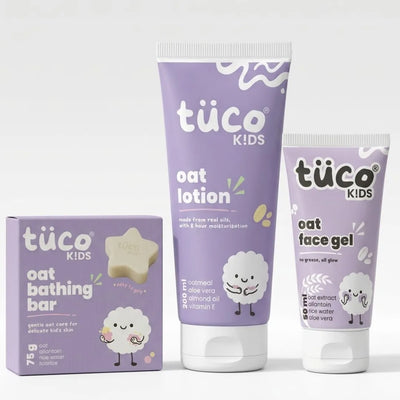
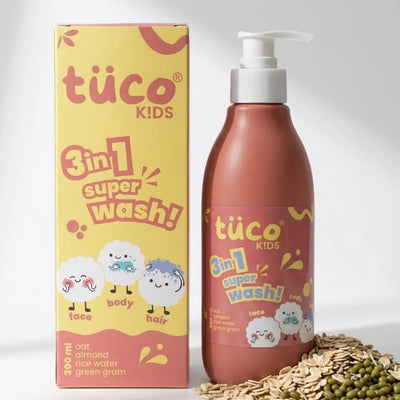
Tuco Kids tip: The single biggest fix for reactive skin is dropping harsh sulphates and fragrance from the routine entirely. The 3-in-1 Oat Kit for Kids was built specifically for sensitive, easily-irritated skin — gentle enough for daily use, strong enough to actually calm redness.
Shop the 3-in-1 Oat Kit →

Contents
- Quick Comparison: Best Tuco Products for Sensitive Skin
- Best Face Wash for Sensitive Skin in Kids: Full Ranking (2025)
- Why Kids Have Sensitive Skin in the First Place
- What Sensitive Skin Looks Like on a Child
- Ingredients to Avoid in a Kids' Face Wash
- Ingredients That Actually Help
- Decision Tree: Choosing the Right Face Wash
- When to See a Dermatologist
- FAQs
- Related Reads
Quick Comparison: Best Tuco Products for Sensitive Skin
| Ingredients | Tuco Product Solution | Key Product Features | Age-wise Recommendation |
|---|---|---|---|
| Oat extract, aloe vera | 3-in-1 Oat Kit | Sulphate-free, fragrance-light soap, lotion & face gel — built for reactive, easily-irritated skin | 2–15 years, best for sensitive/reactive skin |
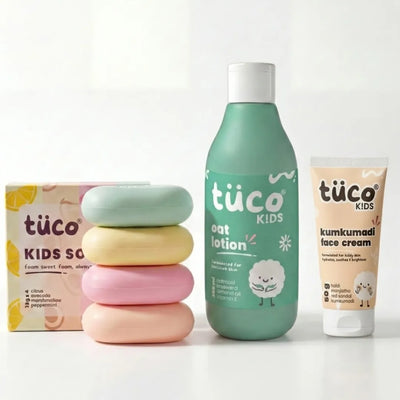
| Turmeric, almond oil | Kids Daily Soap + Kumkumadi Lotion | Gentle everyday cleanse and lotion pairing, non-stripping | 3–15 years, daily use |
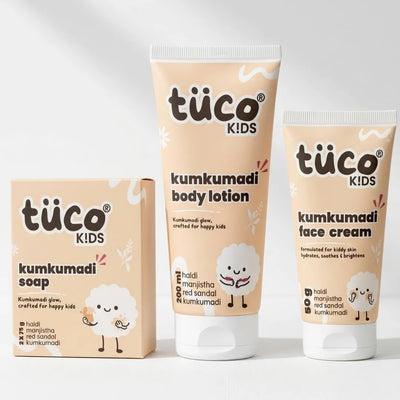
| Saffron, sandalwood, turmeric | 3-in-1 Kumkumadi Kit | Calming, anti-inflammatory blend for skin prone to redness or blotchiness | 4–15 years |
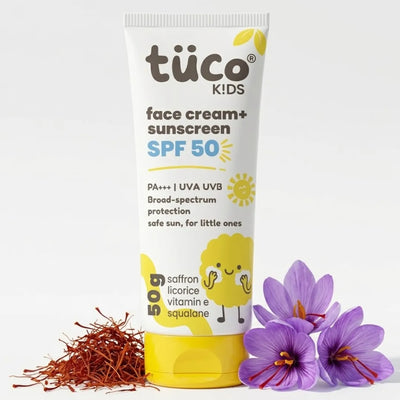
| SPF 30, turmeric, Kakadu Plum | 3-in-1 Dull Skin Kit (SPF 30) | Non-sticky sun protection formulated to be gentle enough for reactive skin | 4–15 years, outdoor-active kids |

Best Face Wash for Sensitive Skin in Kids: Full Ranking (2025)
Here's how the most-searched face washes for sensitive skin stack up for kids specifically — starting with formulas actually built for young skin, followed by other well-known options parents commonly consider.
| Rank | Product | Why It Ranks Here |
|---|---|---|
| 1 | Tuco Bye, Dull Skin Face Wash | Formulated for kids from the ground up rather than adapted from an adult line — sulphate-free, fragrance-light |
| 2 | Tuco Daily Face Wash | A gentler daily-use option for kids without active flare-ups, pairing a mild cleanse with a lightweight, non-greasy lotion. |
| 3 | Cetaphil Baby Wash & Shampoo / Gentle Skin Cleanser | A dermatologist-recommended, fragrance-free classic that's been a nursery staple for years — reliably gentle, though not specifically formulated with natural actives for kids past infancy. |
| 4 | CeraVe Hydrating Cream-to-Foam Cleanser | Ceramide-focused and broadly well-tolerated, though it's formulated for the general market rather than children specifically — check the ingredient list for actives before using on younger kids. |
| 5 | Aveeno Baby Gentle Wash & Shampoo | Oat-based and fragrance-conscious, a long-standing choice for babies and younger children with sensitive skin — a reasonable pick, though it skews toward infants rather than tweens. |
| 6 | Simple Kind to Skin Refreshing Face Wash | A well-known "sensitive skin" brand with a straightforward ingredient list — a decent option for older tweens, though it's designed for adult/teen skin rather than children. |
Ranking reflects formulation fit for kids specifically (age-appropriate actives, fragrance and sulphate content, gentleness) based on publicly available product information. Always check current ingredient lists, and patch test any new product before regular use.

Why Kids Have Sensitive Skin in the First Place
- A child's skin barrier is thinner and still maturing, which means it loses moisture faster and lets irritants penetrate more easily than adult skin — this alone explains why products marketed as "gentle" for adults can still be too much for a child's face.
- Most kids under 11 actually run drier on the face rather than oily, since oil production typically doesn't ramp up until hormonal changes begin around puberty — worth knowing before reaching for an "oil-control" formula too early.
- Genetics play a role too — kids with a family history of eczema, allergies, or asthma are statistically more likely to have reactive skin.
- Environmental factors like dry air, chlorine from pools, and over-washing with the wrong cleanser can all trigger sensitivity even in kids who don't have naturally reactive skin.
What Sensitive Skin Looks Like on a Child
- Redness, tightness, or a stinging sensation shortly after washing the face — often the clearest early sign that a cleanser is too harsh.
- Small bumps, dryness, or flaking that shows up specifically after switching products, rather than being a constant, ongoing issue.
- Increased reactivity to sun, wind, or temperature changes compared to the rest of the body.
- A tendency toward breakouts or irritation whenever a new product — sunscreen, soap, even laundry detergent on a pillowcase — enters the routine.
Shop the 3-in-1 Oat Kit →
Ingredients to Avoid in a Kids' Face Wash
- Sulphates (SLS/SLES): these create the satisfying foam in many cleansers, but they're also known to strip natural oils and disrupt the skin's barrier — a common cause of dryness and irritation competitors rarely call out clearly.
- Fragrance/parfum: one of the leading causes of skin irritation in children, even when labeled "light" or "natural fragrance" — unless the source is explicitly stated, it's safest to avoid.
- Retinoids, salicylic acid, benzoyl peroxide, and AHAs: these are adult acne-treatment actives that are simply too strong for a child's developing skin barrier and should be avoided without a dermatologist's specific guidance.
- Synthetic dyes and denatured alcohol: dyes offer no skin benefit and are a common trigger for allergic reactions, while alcohol-based ingredients can dry out young skin and, counterintuitively, trigger more oil production as skin tries to compensate.
Ingredients That Actually Help
- Oat extract is one of the most consistently recommended ingredients for reactive, sensitive skin — it calms irritation and supports the skin barrier rather than just cleansing on the surface.
- Aloe vera and glycerin both add hydration without heaviness, which matters for a soap free face wash for sensitive skin that still needs to feel comfortable on daily use.
- Turmeric brings anti-inflammatory benefits that help calm visible redness — a natural alternative to the harsher actives found in many adult-market cleansers.
- A truly mild face wash for sensitive skin should list these calming ingredients near the top, not buried after a long list of fillers.
Decision Tree: Choosing the Right Face Wash
- Is your child's skin sensitive and prone to visible redness or reactivity? → A dedicated face wash for sensitive skin built around oat and aloe is the safest starting point, rather than a general kids' cleanser.
- Is the skin both dry and sensitive, with flaking or tightness? → Look for a face wash for dry sensitive skin that skips foaming sulphates entirely in favor of a creamier, non-stripping base.
- Is your tween starting to notice some oiliness alongside sensitivity? → A face wash for oily and sensitive skin should balance gentle cleansing with lightweight hydration — never strip the skin further in an attempt to control oil.
- Wondering which face wash is best for sensitive skin when your child is dealing with the occasional breakout too? → A face wash for sensitive acne prone skin needs to calm irritation and address blemishes without the harsh actives adult acne washes rely on.
When to See a Dermatologist
Most sensitive skin improves noticeably within 1–2 weeks of switching to a gentler routine. It's worth a dermatologist visit instead of continuing home care if:
- Redness, swelling, or hives appear rapidly after using a product — this can signal a true allergic reaction rather than general sensitivity.
- Skin is cracked, weeping, or shows signs of infection.
- A gentle, consistent routine hasn't improved anything after 3–4 weeks.
- Reactions seem to be getting more frequent or severe over time rather than settling down.
FAQs
What is the best face wash for sensitive skin in kids?
Look for a sulphate-free, fragrance-light formula built around calming ingredients like oat extract and aloe vera. A wash specifically formulated for children — rather than an adult "sensitive skin" product — tends to be gentler on a still-developing skin barrier.
Why does my child have sensitive, reactive skin?
A child's skin barrier is thinner and still maturing, which makes it lose moisture faster and react more easily to irritants than adult skin. Genetics, dry air, chlorine exposure, and harsh cleansers can all make this more pronounced.
Should sensitive skin use a soap-free face wash?
Yes — traditional soap and sulphate-based cleansers strip natural oils and can worsen sensitivity. A soap-free, sulphate-free formula cleanses without disrupting the skin barrier.
What ingredients should I avoid in a kids' face wash?
Sulphates (SLS/SLES), added fragrance, synthetic dyes, denatured alcohol, and adult-strength actives like retinoids, salicylic acid, and benzoyl peroxide are the main ones to skip for children's skin.
Is a face wash for dry and sensitive skin different from a regular sensitive skin wash?
Yes — a formula for dry, sensitive skin typically skips foaming agents entirely and leans on a creamier, more hydrating base, since foaming cleansers tend to be more drying overall.
Can sensitive skin also be acne-prone?
Yes, and it's a common combination in tweens starting puberty. The goal is calming irritation and gently addressing blemishes at the same time, without the harsh actives found in typical adult acne washes.
How often should a child with sensitive skin wash their face?
Twice a day is generally enough — morning and night. Over-washing, even with a gentle formula, can still disrupt a sensitive skin barrier over time.
Related Reads
- Worried About White Patches on Face of Child? Learn Causes, Treatments, and When to Consult a Dermatologist
- Best Face Cream for Kids in India: 6 Safe Picks for Soft, Glowing Skin
- 10 Best Organic Kids Skincare Brands in India (2026)
- Understanding the Causes of Dull Skin in Kids and Effective Treatments
- Child Skin Allergy Treatment at Home: Safe and Effective Remedies Every Parent Can Try
- Best Cream for Face Glow for Kids Skin Care
- Skin Allergy Cream for Children: Top Soothing Options and How to Apply Them Safely
- Cocoa Butter: Uses, Benefits & Side Effects
- The Power of Turmeric: An Ancient Remedy for Kids' Skin Issues