



Best Face Creams for Oily Skin in Teens in 2026
Puberty doesn't just change moods and growth spurts — it changes skin chemistry too, and oily skin is often the first visible sign. The good news: teenage oily skin responds well to a simple, consistent routine, and picking the right formula matters far more than reaching for the harshest product on the shelf.
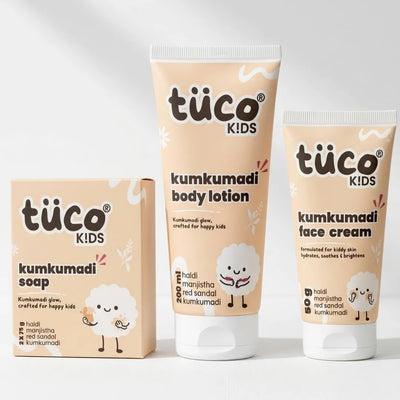
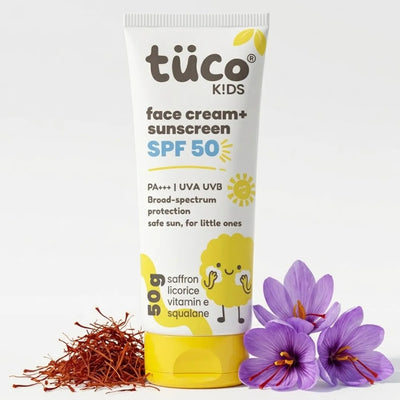
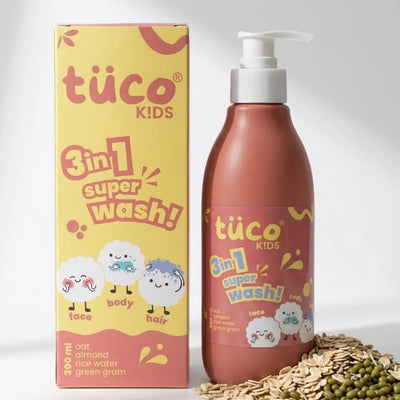
Tuco Kids tip: Start with a lightweight, non-greasy formula rather than a heavy cream — oily, breakout-prone skin needs hydration, just not the occlusive kind. The 3-in-1 Kumkumadi Kit gives teens a gentle soap, lotion, and face cream that balances oil without stripping skin.
Shop the 3-in-1 Kumkumadi Kit →
 Contents
- Quick Comparison: Best Tuco Products for Teen Oily Skin
- Best Face Creams for Oily Skin: Full Ranking
- Why Teen Skin Gets Oily: Hormones, Genetics & Habits
- Does Diet Actually Affect Oily Skin?
- What Oily Teen Skin Looks Like
- Decision Tree: The Right Routine by Skin Concern
- Ingredients That Actually Help — and What to Avoid
- When to See a Dermatologist
- FAQs
- Related Reads
Quick Comparison: Best Tuco Products for Teen Oily Skin
| Ingredients | Tuco Product Solution | Key Product Features | Age-wise Recommendation |
|---|---|---|---|
| Saffron, sandalwood, turmeric | 3-in-1 Kumkumadi Kit | Lightweight soap, lotion & face cream — calms breakouts without over-drying | 10–17 years |
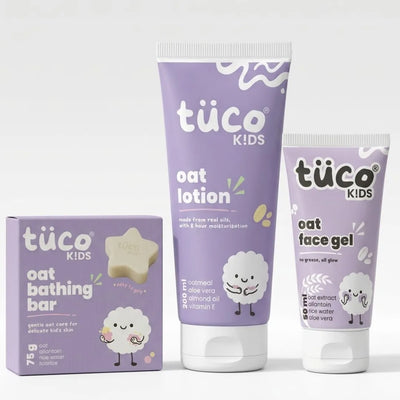
| Oat extract, aloe vera | 3-in-1 Oat Kit | Barrier-repair formula — best for congested pores and reactive, breakout-prone skin | 10–17 years, best for sensitive skin |
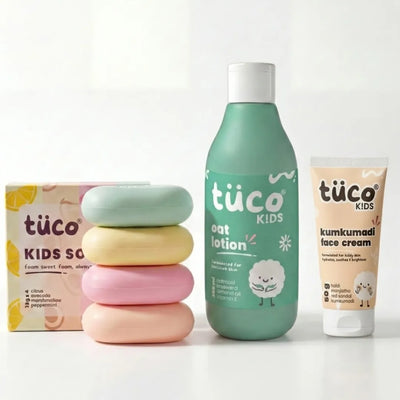
| Turmeric, almond oil | Kids Daily Soap + Kumkumadi Lotion | Non-greasy daily moisturizer — light enough for everyday oily-skin use | 10–17 years |
| SPF 30, turmeric, Kakadu Plum | 3-in-1 Dull Skin Kit (SPF 30) | Non-sticky, waterproof daytime protection — won't clog pores under sun exposure | 10–17 years, best for outdoor-active teens |
 Best Face Creams for Oily Skin: Full Ranking
Here's how the most-searched options for teen oily skin stack up — starting with the formulas built specifically for young, still-developing skin, followed by other well-known options on the market.
| Rank | Product | Why It Ranks Here |
|---|---|---|
| 1 | Tuco 3-in-1 Kumkumadi Kit | Formulated specifically for kids and teens rather than adapted from an adult line — turmeric and saffron calm breakouts without harsh actives, and the lightweight texture won't add to oil buildup. |
| 2 | Tuco 3-in-1 Oat Kit | The barrier-repair pick for teens whose oily skin is also reactive or easily irritated — oat extract calms inflammation instead of just masking shine. |
| 3 | Neutrogena Hydro Boost Water Gel | A widely recommended, non-comedogenic gel-cream built around hyaluronic acid — a solid adult-market option, though not formulated specifically for teen skin. |
| 4 | Minimalist Oil-Free Moisturizer | A budget-friendly, ingredient-transparent option that's popular with teens starting a first routine, though its actives are dosed for general acne-prone skin rather than younger skin specifically. |
| 5 | Cetaphil Oil-Free Moisturizer | A dermatologist-recommended, fragrance-free classic — reliably gentle, though fairly basic with few added actives. |
| 6 | Mamaearth Oil-Free Moisturizer | A lightweight, widely available option in India with plant-based ingredients — a reasonable middle ground, though formulated for a broad age range rather than teens specifically. |
Why Teen Skin Gets Oily: Hormones, Genetics & Habits
- Hormones are the main driver. Puberty triggers a surge in androgens, which signal the skin's sebaceous glands to produce more oil than the skin actually needs — this is the single biggest reason teenage skin turns shinier almost overnight.
- Genetics play a real role too. If a parent had oily or acne-prone skin as a teen, there's a meaningfully higher chance their child will experience the same pattern.
- Over-washing backfires. Stripping the skin with harsh cleansers or scrubbing too often signals the glands to produce even more oil to compensate — a cycle that's easy to fall into without realizing it.
- Skipping moisturizer makes it worse, not better. Many teens assume oily skin doesn't need a moisturizer cream for oily skin, but under-hydrated skin often overcompensates with more oil — a lightweight, non-comedogenic formula actually helps regulate this.
Does Diet Actually Affect Oily Skin?
- The link between diet and oily skin is real but modest — high-glycemic foods (chips, sugary drinks, white bread) and dairy have been associated with worse breakouts in some teens, though the connection varies person to person.
- Hydration matters more directly: dehydration can push skin to overproduce oil as a compensating mechanism, so water intake is a simple lever worth adjusting before anything else.
- Sleep and stress affect oil production too — poor sleep raises cortisol, which is directly linked to increased sebum output, making a consistent sleep schedule a genuinely useful (and underrated) part of an oily-skin routine.
What Oily Teen Skin Looks Like
- A visible shine across the forehead, nose, and chin (the "T-zone") by midday, even right after washing.
- Enlarged, more visible pores, especially across the nose and cheeks.
- Frequent blackheads, whiteheads, or the occasional inflamed pimple along the jawline and chin.
- Makeup or sunscreen that seems to "slide off" or looks patchy a few hours after application.
Shop the 3-in-1 Kumkumadi Kit →

Decision Tree: The Right Routine by Skin Concern
- Is the main issue shine and enlarged pores, without much breakout activity? → An open pores cream for oily skin approach works best here — a gentle, oat-based formula that cleans without over-stripping, so pores aren't triggered to overproduce oil in response.
- Is your teen dealing with active pimples or blackheads? → A targeted, non-comedogenic pimple cream for oily skin that calms inflammation without harsh actives is the safer starting point before escalating to stronger treatments.
- Does skin feel oily by midday even after using a light moisturizer? → Switch the daytime step to something non-greasy — an day cream for oily skin with built-in SPF handles both hydration and sun protection without adding shine.
- Is your teen looking for something simple to use every single day, twice a day? → An oily skin face cream for daily use should be light enough to layer under sunscreen in the morning and gentle enough to repeat at night.
Ingredients That Actually Help — and What to Avoid
- Dermatologists commonly recommend gentle exfoliating ingredients like salicylic acid for blackheads and benzoyl peroxide for inflamed breakouts — but experts consistently caution against stacking multiple strong actives at once, since this can irritate teen skin more than it helps.
- For a gentler, natural-first approach, look for turmeric (anti-inflammatory), oat extract (barrier-repairing), and aloe vera (soothing) — all ingredients that calm oily, reactive skin without the harsh side effects of adult-strength actives.
- What to skip: heavy, occlusive oils and butters (great for dry skin, but likely to clog pores on oily-prone teens), and anything containing alcohol, which can strip skin and trigger a rebound in oil production.
- A well-formulated best cream for oily skin for this age group balances active ingredients with enough hydration that skin doesn't overcompensate.
Day Cream vs. Night Cream for Oily Skin
- A night cream for oily skin can be slightly richer than the daytime step, since there's no sunscreen layering to worry about — but it should still be gel-based or lightweight rather than a thick, occlusive cream.
- The best night cream for oily skin for teens focuses on repair — calming inflammation from the day and supporting the skin barrier overnight, rather than adding heavy occlusive layers.
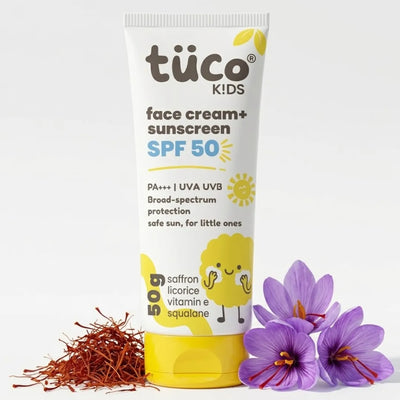
- During the day, a sunscreen cream for oily skin is non-negotiable — UV exposure can actually worsen acne over time, and skipping SPF because "it feels oily" is one of the most common teen skincare mistakes.
When to See a Dermatologist
Most oily skin and occasional breakouts respond well to a consistent, gentle routine within 4–6 weeks. It's worth booking a dermatologist visit if:
- Breakouts are deep, painful, or cystic rather than surface-level pimples or blackheads.
- Acne is leaving behind noticeable scarring or dark marks.
- A consistent gentle routine hasn't improved anything after 6–8 weeks.
- Breakouts are affecting your teen's confidence significantly — a dermatologist can offer options beyond home care.
FAQs
What is the best face cream for oily skin in teens?
Look for a lightweight, gel-based or low-oil formula with calming ingredients like turmeric, oat extract, or aloe vera rather than a heavy, occlusive cream. The goal is hydration without adding to the skin's existing oil load.
Why does my teenager suddenly have such oily skin?
Puberty triggers a surge in androgens, which signal the skin's oil glands to ramp up production almost overnight. It's a normal part of hormonal development, not a hygiene issue, and it typically responds well to a gentle, consistent skincare routine.
Does diet really affect oily, acne-prone skin?
The link is real but modest — high-glycemic foods and dairy are linked to worse breakouts in some teens, while hydration, sleep, and stress management tend to have a more direct, noticeable effect.
Should oily skin still use a moisturizer?
Yes — skipping moisturizer often makes oily skin worse, since dehydrated skin can overproduce oil to compensate. A lightweight, non-comedogenic moisturizer actually helps balance oil production.
What's the difference between a day cream and night cream for oily skin?
A day cream should be very lightweight and often includes SPF, since sun protection is essential even for oily, acne-prone skin. A night cream can be slightly richer for overnight repair, but should still avoid heavy, pore-clogging oils.
Can sunscreen make oily skin worse?
Not if it's the right formula — non-comedogenic, oil-free sunscreens won't clog pores. Skipping sunscreen altogether is actually riskier, since UV exposure can worsen acne and inflammation over time.
How long does it take for a new skincare routine to improve oily, breakout-prone skin?
Most teens see visible improvement within 4–6 weeks of consistent use. Switching products too frequently before giving a routine time to work is one of the most common reasons oily skin doesn't improve.
Related Reads
- Worried About White Patches on Face of Child? Learn Causes, Treatments, and When to Consult a Dermatologist
- Best Face Cream for Kids in India: 6 Safe Picks for Soft, Glowing Skin
- 10 Best Organic Kids Skincare Brands in India (2026)
- Understanding the Causes of Dull Skin in Kids and Effective Treatments
- Child Skin Allergy Treatment at Home: Safe and Effective Remedies Every Parent Can Try
- Best Cream for Face Glow for Kids Skin Care
- Skin Allergy Cream for Children: Top Soothing Options and How to Apply Them Safely
- Cocoa Butter: Uses, Benefits & Side Effects
- The Power of Turmeric: An Ancient Remedy for Kids' Skin Issues