



Best Winter Moisturizer for Kids' Dry Skin
Dry skin in winter can be more than a cosmetic concern. A child may complain that their arms feel tight after a bath, scratch their legs while getting dressed or develop rough patches that keep returning despite regular moisturising. Choosing the winter moisturizer for your child starts with understanding how the skin barrier works and what type of formula can help it retain moisture.
Not every dry patch needs a complicated routine, and the richest cream is not always the right choice. Mild seasonal dryness may respond to consistent moisturising and gentler bathing, while persistent itching or inflammation may point towards eczema or another condition. This guide explains how to choose a suitable winter moisturiser, how to compare lotions and creams, and what parents can do when ordinary dryness does not improve.
Explore Deep Moisture Body Lotion

Contents
- Quick comparison
- Why winter dryness happens
- Lotion vs cream vs ointment
- Ingredients that support the skin barrier
- How to choose a moisturiser
- Where Tuco Kids fits
- Daily winter routine
- Mistakes to avoid
- Quick decision guide
- When to see a doctor
- FAQs
- Related Reads
Quick comparison: Choosing a winter moisturiser
| Option | Key features | Best for | Age guidance |
|---|---|---|---|
| Tuco Kids Deep Moisture Body Lotion | Everyday body moisturiser for winter care | Routine seasonal dryness | 3–15 years |
| Fragrance-free cream | Richer texture; may be useful for a sensitive-skin routine | Dry or easily irritated skin | Check label |
| Ointment-based emollient | More substantial barrier against water loss | Localised, very dry areas | Choose an appropriate formulation |
| Clinician-recommended emollient | Selected according to a diagnosed skin condition | Recurring eczema or persistent symptoms | Follow medical advice |
Why does winter make children's skin dry?
The outer layer of skin is a protective barrier. It limits water loss and helps prevent everyday irritants from entering the skin. Cold weather, low humidity, indoor heating and repeated exposure to water can make this barrier less effective at retaining moisture.
Hot baths and strong cleansers can add to the problem by removing some of the skin's surface oils. Once the barrier becomes less effective, the skin may feel tight, look flaky and become more sensitive to friction. Scratching can then create further irritation, producing a cycle of itch and discomfort.
Some children are more susceptible because they have eczema or a naturally sensitive skin barrier. For them, the issue may not be limited to winter. Seasonal changes can aggravate a condition that is already present.
Lotion vs cream vs ointment: What is the difference?
The terms describe texture and formulation rather than a guaranteed level of effectiveness. Lotions generally contain more water and spread easily across large areas. Creams are usually thicker, while ointments tend to be greasier and create a more substantial protective layer.
For mild dryness, a lotion may be convenient enough to use every day. If the skin remains rough or tight, a richer cream may help. An ointment can be useful for localised areas of severe dryness, but its texture may not be comfortable for every child.
The distinction matters because parents sometimes keep applying a light lotion to very dry skin and assume that more frequent application alone will solve the problem. If the formula does not provide enough protection, changing to a suitable richer emollient may be more useful than simply layering more of the same product.
Ingredients that support the skin barrier
Humectants
Humectants such as glycerin help attract and retain water in the outer skin layer. They are commonly used in moisturisers, but their effectiveness depends on the overall formula and how the product is used.
Emollients
Emollients soften the skin and improve flexibility by helping smooth the spaces between surface cells. They can reduce the rough feeling associated with dryness and make the skin more comfortable.
Occlusives
Occlusives slow water loss by forming a protective layer on the skin. Petrolatum is a familiar example. A product that combines humectant, emollient and occlusive functions may help address different aspects of dryness.
Fragrance and botanical ingredients
Some children tolerate fragranced products without difficulty, while others find them irritating. If the skin is sensitive, simplifying the routine and trying a fragrance-free option may help. Botanical ingredients are not automatically safer simply because they are plant-derived.
How to choose the right winter moisturiser
First, consider how dry the skin actually is. A child whose skin feels slightly tight after bathing may need a different texture from one with persistent rough patches. Look for a product that is appropriate for the child's age and intended body area.
Next, consider skin sensitivity. If the child has a history of irritation, choose a straightforward formulation and avoid introducing several products together. Read the ingredient list, follow the directions and stop using the product if it causes a new rash or increasing discomfort.
Finally, think about routine. A moisturiser that spreads easily and feels comfortable is more likely to be used consistently. There is no need to build a complicated skincare routine around ordinary dryness. Gentle cleansing, appropriate moisturising and sensible sun protection are often sufficient.
Where Tuco Kids Deep Moisture Body Lotion fits
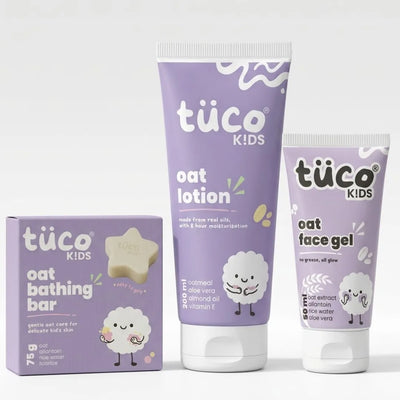
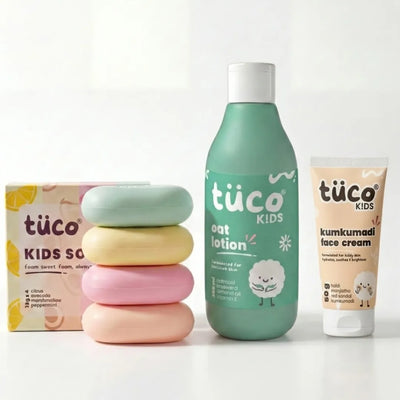
Tuco Kids Deep Moisture Body Lotion is listed for ages 3 to 15 and is intended for children's body-care routines. It is one option for parents seeking an everyday winter moisturiser within that age range.
It should not be described as a treatment for eczema, infection or any other diagnosed skin condition. If your child's skin remains inflamed or uncomfortable, consider whether a different emollient or professional assessment is needed. Always check the current product label for ingredients, directions and warnings.
View Deep Moisture Body Lotion
A simple daily winter routine
Keep bath water lukewarm and avoid unnecessarily long baths. Use a mild cleanser and pat the skin dry. Apply moisturiser soon afterwards, while the skin is still slightly damp, to help retain moisture.
Reapply when the skin feels dry, particularly after washing or swimming. Focus on areas that often become rough, such as the shins, knees, elbows and hands. If the child is outdoors, continue using appropriate sun protection on exposed skin.
At the end of the day, look for patterns. Does the dryness appear after swimming, a new soap, a change in laundry products or a hot bath? Identifying these triggers may be as useful as changing moisturisers.
Common mistakes to avoid
Choosing by thickness alone: A richer product may help some children, but texture is only one factor. Age suitability, ingredients and skin tolerance also matter.
Using harsh cleansers: Strong soaps and hot water may worsen dryness. A gentler bathing routine can improve comfort.
Adding too many products: Multiple lotions, oils and creams can complicate the routine and make reactions harder to trace.
Assuming persistent itch is ordinary dryness: Recurring itch and inflammation can indicate eczema or another skin condition that needs appropriate care.
Using adult treatments on children: Avoid unprescribed steroid creams, exfoliating acids or other strong active products.
Quick decision guide
- If the skin is mildly dry, start with a suitable everyday moisturiser and gentle bathing.
- If lotion does not relieve persistent roughness, consider a richer cream or emollient appropriate for the child's age.
- If dryness is accompanied by recurring itch or redness, seek advice about eczema or other inflammatory conditions.
- If a product causes irritation, stop using it and review the ingredients.
- If the child is under three, do not assume Tuco Kids Deep Moisture Body Lotion is suitable; it is listed for ages 3 to 15.
- If the skin is cracked, weeping or painful, arrange medical assessment instead of relying on cosmetic moisturiser alone.
When to see a doctor
Seek advice if dryness is severe, persistent or associated with significant itching, cracking, bleeding, redness or disturbed sleep. Weeping skin, increasing warmth, pain, spreading redness or other signs of infection warrant prompt assessment.
If your child has eczema, ask a clinician whether the current moisturiser and routine remain suitable. For very young babies, persistent dryness or a rash should be discussed with a paediatrician. Moisturising can support the skin barrier, but it does not replace treatment for an underlying condition.
Frequently asked questions
1. What is the best winter moisturizer for kids?
Choose an age-appropriate product that suits the degree of dryness and does not irritate the skin. Lotions may suit mild dryness, while creams or ointments may be more helpful for persistent roughness.
2. Is winter cream better than lotion?
Winter cream is often richer than lotion and may provide more substantial protection against water loss. However, a lotion can be sufficient for mild dryness. The child's skin and comfort should guide the choice.
3. How often should children moisturise in winter?
Apply moisturiser after bathing and reapply when the skin feels dry or after washing. Children with eczema may need a more individualised schedule recommended by their clinician.
4. Should moisturiser be applied to wet skin?
Apply it soon after bathing, when the skin is slightly damp rather than dripping wet. Pat the skin gently with a towel first to avoid friction.
5. Can moisturiser prevent winter eczema flare-ups?
Regular emollient use can support the skin barrier and is often part of eczema management. It may not prevent every flare, and active inflammation can require additional treatment.
6. Is Tuco Kids Deep Moisture Body Lotion suitable for infants?
No infant suitability should be assumed. The product is listed for ages 3 to 15. For babies and children below the stated age range, choose age-appropriate care and seek paediatric advice when necessary.
7. Why does my child's skin remain dry after applying cream?
The formula may not be rich enough, the skin may be exposed to irritating bathing habits or an underlying condition may be present. Review the routine and seek advice if symptoms persist.
8. Can I use body moisturiser on my child's face?
Only if the product directions indicate that it is suitable for facial use. Body products are not automatically appropriate around the eyes or on sensitive facial skin.
Related Reads
- Best Winter Body Lotion for Kids
- Best Winter Face Cream for Kids
- Winter Skin Care for Kids: A Complete Routine
- Dry Skin in Winter: Causes and Treatment for Kids