



Best Baby Winter Clothing: A Complete Guide
Dressing a baby for winter is a balancing act: too little and they get cold, too much and they overheat, sweat and develop prickly skin. The right baby winter clothes are layered, soft against the skin and easy to adjust. Good winter baby clothing choices also protect skin that is already prone to dryness.
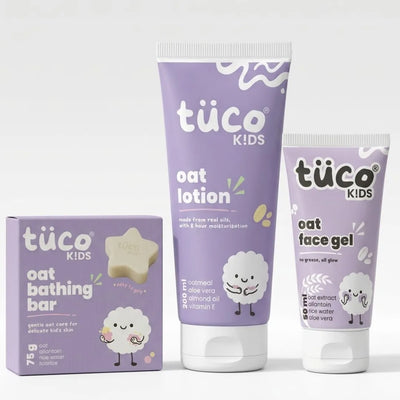
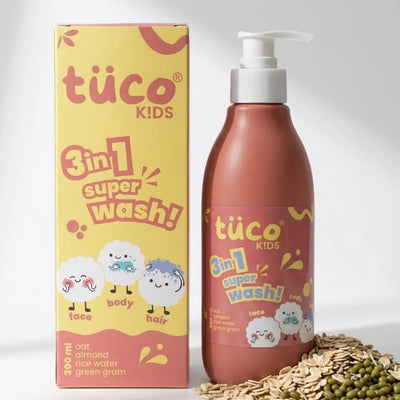
This guide covers layering, fabrics, what to avoid, and how clothing interacts with skin care. For the skin under the layers, a gentle moisturiser such as our 3-in-1 Oat Kit (age 2 and up) can help for toddlers. Tuco Kids does not sell clothing.
See the 3-in-1 Oat Kit

Contents
- Layering at a Glance
- The Layering Principle
- Fabrics That Work
- Overheating Is the Bigger Risk
- Sleepwear and Outdoors
- Clothing and Skin Care
- Buying Tips and Sizing
- Caring for Winter Clothing
- Going Out in the Cold
- Quick Decision Guide
- When to See a Doctor
- FAQs
- Related Reads
Layering at a Glance
| Layer | Purpose | Good Choices |
|---|---|---|
| Base | Wicks moisture, sits on skin | Soft cotton or fine merino |
| Middle | Traps warm air | Fleece or knit cardigan |
| Outer | Blocks wind and cold | Padded jacket or snowsuit when needed |
| Extras | Protect extremities | Cap, mittens, socks |
The Layering Principle
Several thin layers insulate better than one thick one because warm air is trapped between them, and layers can be removed as temperatures change. A useful rule is to dress a baby in one more layer than you would wear yourself, then check how they feel rather than guessing.
A base layer of soft cotton, a warm middle layer and an outer layer for outdoors cover most situations. Indoors, drop the outer layer, as heated rooms quickly lead to overheating.
Fabrics That Work
Natural fibres such as cotton and fine merino breathe and sit comfortably against the skin. Wool can be itchy for sensitive babies, so keep it as an outer or middle layer rather than touching the skin unless it is very soft. Synthetic fleece is warm and light but can trap sweat.
Wash new clothes before wearing them, use a fragrance-free detergent and rinse well. Residue from detergents and softeners is a frequent hidden cause of itchy skin in winter.
Overheating Is the Bigger Risk
Parents worry more about cold, but overheating is a real concern, particularly during sleep. Signs include a flushed face, sweaty neck and fast breathing. Check the nape of the neck or the chest rather than hands and feet, which are often cool even when a baby is comfortable.
If your baby is sweaty, remove a layer. Sweat evaporating on skin can chill them, and trapped heat can bring on heat rash even in winter.
Sleepwear and Outdoors
For sleep, follow safe-sleep guidance: avoid loose blankets, pillows and heavy hats in the cot. A wearable sleeping bag in an appropriate weight is a safe alternative. Keep the room comfortably warm rather than hot.
Outdoors, add a cap and mittens, cover the feet, and use a pram cover or blanket that can be removed easily. Stay alert to the fit of car seat harnesses: bulky coats should be taken off before buckling.
Clothing and Skin Care
Friction from seams, tags and rough fabrics can irritate dry winter skin, and tight cuffs can leave marks. Choose clothes with flat seams and remove tags. Moisturising after the bath, before dressing, helps protect the skin barrier under the layers.
If your baby has eczema or very dry skin, avoid wool next to the skin and keep layers loose. Persistent redness or itching under clothes is worth discussing with a doctor.
Buying Tips and Sizing
Babies grow fast, so avoid buying too many items in one size. Choose clothes with stretch, wide necks and easy fastenings, such as snaps along the legs, which make nappy changes simple. Look for flat seams and no scratchy tags.
Buy a mix of sizes to cover growth spurts, and check care labels for wash-and-wear practicality. Second-hand items are fine if they are clean and well-kept, but avoid anything with loose cords or ties near the neck.
Caring for Winter Clothing
Wash with a fragrance-free detergent, skip fabric softener and rinse thoroughly. Wool and fleece may need special care, so check labels. Dry clothes completely to avoid dampness against the skin.
Rotate a small set of key pieces so that something clean and dry is always ready, as winter babies often need frequent changes.
Going Out in the Cold
Plan outings during the warmest part of the day, dress in layers and carry a spare. Cover the cheeks with a gentle barrier if the wind is strong, and keep outings short for very young infants.
Come inside and remove outer layers promptly to prevent sweating. If your baby feels clammy, change them into a dry base layer.
Quick Decision Guide
- Is your baby sweaty or flushed? → Remove a layer.
- Are cheeks cold but the chest warm? → This is normal; judge by the chest or neck.
- Is skin red or itchy under clothes? → Switch to soft cotton and fragrance-free laundry products.
- Are you heading outdoors? → Add cap, mittens and a windproof outer layer.
When to See a Doctor
See a doctor if your baby is unusually sleepy, floppy or hard to wake, has a persistently cold body with a blue tinge, shows signs of overheating with a high fever, or develops a rash that does not improve after you change clothing and laundry products.
FAQs
What are the best baby winter clothes?
Soft layers, such as cotton base layers, a warm middle layer and a windproof outer layer, adjusted to the temperature.
How many layers does a baby need in winter?
Roughly one more than an adult would wear, checked by feeling the chest or neck.
What winter baby clothing fabrics are best?
Cotton and fine merino are comfortable; wool can be itchy against sensitive skin.
How do I know if my baby is too hot?
Flushed face, sweaty neck and fast breathing are warning signs.
What is the best winter clothing for babies at night?
A wearable sleeping bag of suitable weight, avoiding loose blankets.
Can kids winter wear cause rashes?
Rough fabrics, tight cuffs and detergent residue can irritate skin.
Should babies wear caps indoors?
Usually not, as babies lose heat through the head and can overheat indoors.
Should I take off a coat in a car seat?
Yes, bulky coats can loosen harness fit; use a blanket over the harness instead.