




White Spots on Skin in Kids: Causes and Treatment
Noticing pale or white patches on your child’s skin can be unsettling, particularly when they appear suddenly or become more visible after a holiday in the sun. However, white spots on skin can have several different causes, and they do not automatically mean that your child has a serious skin condition. Some patches are associated with dry skin or a common superficial skin condition, while others need assessment by a healthcare professional.
The most useful first step is to look at the pattern rather than the colour alone. Where are the patches? Are they scaly, itchy, sharply defined or spreading? Did they appear after a rash? These details can help a doctor distinguish between possible causes. This guide explains the common reasons children develop white patches, what parents can safely do at home and when professional advice is important.

Contents
- Quick comparison of common causes
- What are white spots on skin?
- Pityriasis alba
- Fungal skin conditions
- Vitiligo
- Other possible causes
- Safe skincare and treatment
- Mistakes to avoid
- Quick decision guide
- When to see a doctor
- Frequently asked questions
- Related reads
Quick comparison: What might cause white patches?
The following table explains some common possibilities. These descriptions are clues, not a way to diagnose your child at home. Different conditions can look similar, particularly on darker skin tones.
| Possible cause | Typical clues | What helps? |
|---|---|---|
| Pityriasis alba | Paler, sometimes slightly dry patches, often on the cheeks or arms | Gentle skincare, moisturising and sun protection; assessment if uncertain |
| Tinea versicolor | Multiple lighter or darker patches, often on the chest, back, neck or upper arms; fine scaling may occur | An appropriate antifungal treatment recommended by a clinician |
| Vitiligo | Clearly defined, milky-white areas that may enlarge or appear elsewhere | Medical assessment and individualised management |
| Post-inflammatory hypopigmentation | Lighter skin following eczema, irritation, an injury or another rash | Address the original condition and protect the skin while colour gradually recovers |
| Other skin conditions | Appearance varies; there may be inflammation, unusual texture or other symptoms | A clinician can determine whether examination or further testing is needed |
What are white spots on skin in children?
Skin colour is influenced by melanin, a pigment produced by specialised cells called melanocytes. When an area contains less melanin than the surrounding skin, it can appear lighter. When pigment is almost completely absent, the area may look distinctly white.
This difference matters because not every pale patch represents the same process. Sometimes pigment production is reduced temporarily after inflammation. In other cases, a superficial yeast affects the appearance of the skin, or melanocytes are lost or stop functioning normally in a particular area.
The contrast can also become more noticeable after sun exposure. Surrounding skin may tan while a lighter patch changes very little. This can make a pre-existing patch appear to have developed suddenly, even when it was previously subtle.
Parents should observe the patch’s location, borders, texture and progression. A photograph taken in similar lighting every few weeks may help document change, but photographs alone cannot reliably distinguish every condition. If a patch is new, persistent or spreading, arrange an appropriate assessment rather than relying on appearance alone.
1. Pityriasis alba: A common cause of pale facial patches
Pityriasis alba is a common, generally harmless skin condition seen particularly in children and adolescents. It is associated with dry skin and may occur alongside a tendency towards eczema. It is not considered a sign of poor hygiene and is not contagious.
The patches often begin as slightly pink or dry areas before becoming paler than the surrounding skin. They are commonly found on the cheeks, although the arms and other areas may be affected. The edges are usually less sharply defined than those of vitiligo, and a little fine scaling may be visible.
One reason these patches can persist is that the skin’s colour does not always return as quickly as its surface settles. Even after dryness or mild inflammation improves, the pigment difference may remain noticeable for some time. Sun exposure can exaggerate the contrast by darkening the surrounding skin.
For mild dryness, gentle washing, regular moisturising and sun protection are sensible measures. Avoid scrubbing the patch to remove flakes; friction can irritate the skin further. If there is significant itching, inflammation or uncertainty about the diagnosis, a clinician can advise whether additional treatment is appropriate.
2. Fungal skin conditions: When the patches have fine scales
Tinea versicolor, also called pityriasis versicolor, is a superficial skin condition associated with an overgrowth of Malassezia yeast, which normally lives on human skin. It may produce patches that are lighter, darker or pinkish compared with the surrounding skin.
Unlike pityriasis alba, tinea versicolor often affects the upper chest, back, neck and upper arms. The patches may merge into larger areas, and fine scaling can become easier to notice when the skin is gently stretched. Warm, humid conditions and sweating may encourage the condition in susceptible people.
Not every fungal skin condition looks the same. Ring-shaped, itchy or spreading lesions may have other causes, including different fungal infections, and should not automatically be treated as tinea versicolor.
When a fungal cause is suspected, a healthcare professional can assess the pattern and recommend an appropriate antifungal treatment. Ordinary moisturiser will not eliminate the yeast. Even after successful treatment, the difference in skin colour can take weeks or months to settle, so persistent pale areas do not necessarily mean treatment has failed.
3. Vitiligo: Clearly defined white patches
Vitiligo is a condition in which pigment-producing cells are lost or stop functioning in affected areas. It can occur in childhood. The patches are often noticeably white, with clearer borders than the softer, less defined patches typical of pityriasis alba.
Vitiligo can affect different parts of the body, including the face, hands and areas around body openings. It may remain limited to certain areas or spread over time. Hair growing within an affected patch can sometimes become lighter as well.
Vitiligo is not contagious, and it is not caused by dirt, poor bathing habits or something a child has done wrong. It can have an emotional impact, especially when patches are visible or attract unwanted comments, so calm reassurance is important.
Arrange a medical assessment if the patches are distinctly white, sharply outlined or increasing in number. A dermatologist can examine the skin and discuss suitable options. Treatment depends on factors such as the location, extent and progression of the condition. Do not apply bleaching agents or unprescribed creams in an attempt to restore an even skin tone.
4. Other possible causes of pale patches
Post-inflammatory hypopigmentation
After eczema, a rash, an insect bite, an injury or irritation, the affected area can temporarily produce or distribute pigment differently. The resulting patch may be lighter than the surrounding skin. This is called post-inflammatory hypopigmentation.
The history is important: if the patch appeared where an itchy rash or irritated area had previously been, this possibility may be relevant. The original inflammation may have settled even though the colour difference remains. Avoiding further irritation and treating any active underlying skin condition can help, although pigment recovery may be gradual.
Dry skin and eczema
Dry skin can make existing differences in skin colour and texture more obvious. Eczema may leave lighter areas after inflammation improves, particularly in children whose skin is prone to recurring irritation. Dryness alone, however, should not be assumed to explain every white patch.
Other causes that need assessment
Less common conditions, birthmarks and certain inflammatory skin disorders can also produce lighter areas. A clinician may consider the child's age, medical history, distribution of the patches and any associated symptoms. Depending on the findings, a special examination lamp or other tests may help clarify the diagnosis.
A gentle skincare routine for children with white patches
While the cause is being established, a simple routine can help prevent avoidable irritation. It is important to understand that supportive skincare and medical treatment are not interchangeable: moisturising can improve dryness, but it will not cure vitiligo or remove a fungal infection.
Cleanse without stripping the skin
Use lukewarm water and a mild cleanser when needed. Long, hot baths and strongly fragranced products can remove protective skin oils and aggravate dryness. Pat the skin dry rather than rubbing it vigorously with a towel.
Moisturise consistently
Apply a plain, fragrance-free moisturiser to dry areas, particularly after bathing. The skin barrier helps reduce water loss and protects against everyday irritants. A moisturiser may improve roughness and scaling, but the appearance of a pigment-related patch may not change immediately.
Use sensible sun protection
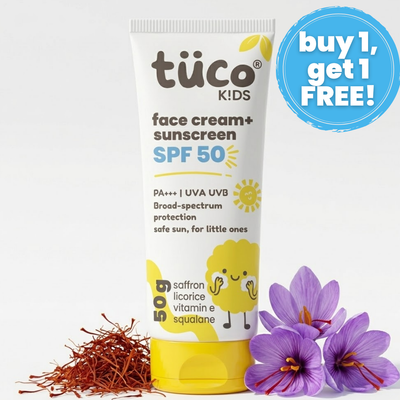
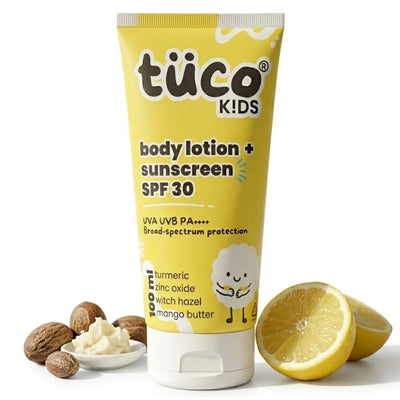
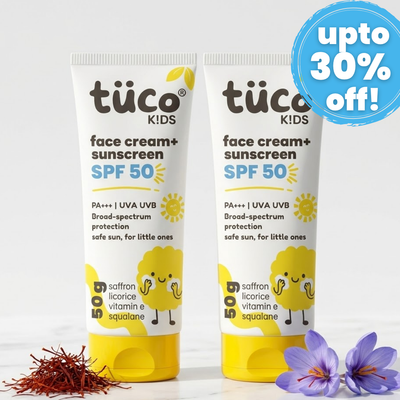
Apply broad-spectrum sunscreen with SPF 30 or higher to exposed skin, following the label directions, and use shade, hats and protective clothing where practical. Sun protection reduces the risk of sunburn and can make colour differences less conspicuous by limiting tanning of the surrounding skin.
Introduce products cautiously
Avoid adding several new products at once. If a new skincare product is appropriate for your child, follow its directions and test it on a small area of unaffected skin first. Stop using it if irritation develops. Do not use exfoliating acids, skin-lightening products or adult treatments on a child's patches without professional guidance.
Common mistakes parents should avoid
Assuming all white patches are fungal: Several conditions look similar. Using an antifungal treatment without establishing the cause may delay the right care.
Scrubbing away the colour difference: Pigment changes are not dirt. Scrubbing can damage the skin barrier and worsen inflammation.
Using raw lemon or other irritating home remedies: These are not reliable treatments for pigment changes and may cause irritation. Some substances can also increase sensitivity to sunlight.
Expecting immediate colour recovery: Even when the underlying problem improves, pigment can take considerably longer to return. A patch that looks unchanged after a few days does not necessarily indicate that care is ineffective.
Ignoring a changing patch: Not every patch is urgent, but spreading, distinctly white or unexplained persistent patches deserve assessment. A diagnosis is more useful than repeatedly switching products.
Quick decision guide
- If the patches are mildly dry and faintly pale, use gentle skincare and sun protection while observing them. Arrange an appointment if they persist or the cause is uncertain.
- If they follow an eczema flare or another rash, tell the clinician about the earlier inflammation and focus on managing the underlying condition.
- If patches are on the chest or back and have fine scaling, ask a healthcare professional whether a fungal condition is possible rather than self-diagnosing.
- If the areas are sharply defined, milky white or spreading, arrange a medical assessment, ideally with a dermatologist.
- If the skin is painful, blistered, very inflamed or rapidly changing, seek prompt medical advice.
- If your child feels embarrassed or is being teased, reassure them that skin-colour differences are not their fault and help them respond to questions confidently.
When to see a doctor
Book an appointment if the patches are new and unexplained, persist despite gentle skincare, spread, develop clear white borders or recur frequently. Medical assessment is also appropriate if there is substantial itching, scaling, pain, inflammation, hair-colour change within a patch or involvement of sensitive areas.
Seek prompt advice for rapidly worsening changes, significant pain, blistering, swelling, fever or a child who appears unwell. A clinician can examine the skin and determine whether reassurance, targeted treatment or further investigation is needed. Avoid using prescription steroid creams or antifungals simply because they helped a different rash in the past.
Frequently asked questions
1. What causes white spots on skin in children?
Possible causes include pityriasis alba, fungal conditions such as tinea versicolor, vitiligo and lighter patches left after eczema or another inflammatory rash. Their appearance can overlap, so persistent or unexplained patches should be assessed.
2. Are white patches on a child's face normal?
Pale facial patches are fairly common in children and may be associated with pityriasis alba or dry, eczema-prone skin. However, new, sharply defined or spreading patches should not automatically be assumed harmless.
3. Can dry skin cause white spots?
Dryness can make pale areas more noticeable, and some children develop lighter patches associated with pityriasis alba. However, dryness does not explain every pigment change. Observe the texture and pattern, and seek advice if the patches persist.
4. Are white skin patches contagious?
Pityriasis alba and vitiligo are not contagious. Tinea versicolor is associated with yeast that normally lives on the skin rather than a typical person-to-person contagious infection. A clinician can help distinguish between conditions.
5. Will white patches disappear on their own?
Some patches, including those associated with pityriasis alba or post-inflammatory hypopigmentation, gradually become less noticeable. Others may persist or need targeted treatment. Recovery time depends on the underlying cause.
6. Can I use moisturiser on white patches?
Yes, a gentle moisturiser can help when dryness or irritation is present. It does not treat every cause of white patches, so do not rely on moisturiser alone if the areas are spreading, sharply defined or unexplained.
7. Does sunlight make white spots more visible?
It can. Surrounding skin may tan while lighter patches remain relatively unchanged, increasing the contrast. Appropriate sunscreen, shade and protective clothing help protect the skin without deliberately tanning or bleaching it.
8. When should I take my child to a dermatologist?
Arrange an assessment if patches are persistent, spreading, clearly white, recurrent or accompanied by unusual symptoms. A dermatologist can distinguish between possible causes and recommend treatment appropriate for your child.
Related Reads
- Best Winter Body Lotion for Kids: Complete Buying Guide
- Best Winter Face Cream for Kids
- Best Winter Moisturizer for Kids' Dry Skin
- Dry Skin in Winter: Causes and Treatment for Kids