



Best Baby Massage Oil for Winter in India: Ayurvedic Malish Guide
Winter is when baby massage, or malish, becomes especially important in most Indian households — the cold, dry air pulls moisture out of a newborn's delicate skin faster than in any other season, and a good daily oil massage is one of the oldest, most trusted ways to counter that. Choosing the best baby massage oil for this specific season matters more than many parents realize, since not every oil that works well in summer humidity performs the same way once the air turns cold and dry.
This guide walks through the most commonly used ayurvedic baby massage oil options for winter, how to choose between them, and how to actually perform a safe, effective massage that supports your baby's skin barrier through the driest months of the year.
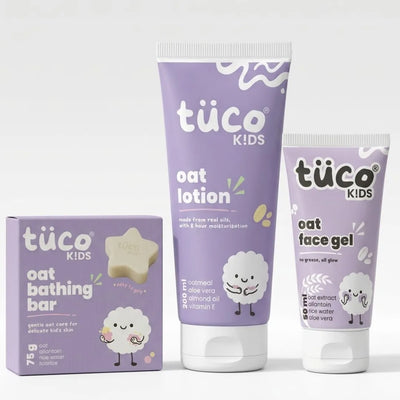
Tuco Kids tip: Right after a winter massage, a gentle wash and a light, non-greasy moisturizer helps lock in hydration without leaving skin feeling overly oily for the rest of the day.

Contents
- Winter Massage Oils at a Glance
- Why Winter Massage Matters More Than Other Seasons
- Olive Oil for Baby Massage
- Sesame Oil for Baby Massage
- Other Ayurvedic Oils Worth Knowing
- Choosing an Oil for a Newborn Specifically
- How to Give a Winter Massage Safely
- Which Oil Should You Actually Use?
- When to Check With a Pediatrician
- FAQs
- Related Reads
Winter Massage Oils at a Glance
| Oil | Key Property | Best For | Age Recommendation |
|---|---|---|---|
| Sesame oil | Warming, traditional Ayurvedic choice | General winter malish | From 1 month with pediatrician OK |
| Olive oil | Light, widely available | Sensitive or easily irritated skin | From 1 month, patch-tested first |
| Coconut oil | Cooling, lighter texture | Warmer winter days, humid regions | From 1 month |
| Post-massage skin care | Locks in hydration after oil massage | Following any massage oil | Ages 3+ (Tuco Oat Kit) |
Why Winter Massage Matters More Than Other Seasons
Cold, dry winter air holds far less moisture than warm, humid air, and this directly affects a baby's skin, which is already thinner and less efficient at retaining moisture than adult skin. A daily oil massage creates a protective barrier that slows this moisture loss, while the physical act of massage itself improves circulation and helps the oil absorb more effectively into the skin's upper layers. Beyond the purely physical benefits, the ritual of daily massage is also strongly associated with bonding and calming benefits for both baby and caregiver, which is part of why malish remains such a deeply rooted tradition across Indian households regardless of region or season.
Olive Oil for Baby Massage
Olive oil is a widely available, relatively light option that many parents reach for specifically because it's easy to find, affordable, and generally well tolerated by most skin types. It contains a reasonable amount of antioxidants and fatty acids that support the skin barrier, though it's worth noting that some research has actually raised questions about olive oil's effect on skin barrier function with very frequent, long-term use in some infants — this doesn't mean occasional or seasonal use is a concern, but it's a reasonable reason to patch-test and watch for any dryness or irritation rather than assuming it's universally ideal simply because it's common in the kitchen.
Sesame Oil for Baby Massage
Sesame oil holds a particularly prominent place in Ayurvedic tradition specifically for winter massage, valued for its warming quality (in Ayurvedic terms) that's considered especially suited to counteracting the cold, dry qualities of winter weather. It has a naturally rich, slightly heavier texture than oils like coconut or almond, which many parents find genuinely better suited to combating serious winter dryness compared to lighter oils that may not provide enough of a moisture barrier on their own. Traditionally, sesame oil is sometimes warmed slightly before use in winter specifically, both for comfort and because Ayurvedic practice associates gentle warmth with better absorption during colder months.
Other Ayurvedic Oils Worth Knowing
Coconut oil, while more commonly associated with cooling properties suited to hot weather, remains a reasonable winter option in warmer regions of India or on milder winter days, valued for its lighter texture and pleasant absorption. Mustard oil, traditional in parts of North and East India, has a stronger warming quality similar to sesame oil, though its pungency and potential for skin irritation in very young or sensitive-skinned babies makes it a less universally recommended choice than sesame or olive oil for first-time use. Almond oil, covered in more depth in our dedicated guide, is another well-regarded option particularly valued for its vitamin E content and lighter absorption profile.
Choosing an Oil for a Newborn Specifically
For a newborn under one month, most pediatricians recommend holding off on oil massage or introducing it only under specific medical guidance, since very young skin is still adjusting to life outside the womb and is more vulnerable to irritation from any new substance. Once a pediatrician gives the go-ahead, generally around one month, starting with a small amount of a simple, single-ingredient oil (rather than a heavily fragranced or multi-ingredient blend) and patch-testing first is the safest approach for the best oil for newborn baby massage. Fragrance-free, cold-pressed oils are generally preferable to heavily processed or heavily scented versions for this age group specifically.
How to Give a Winter Massage Safely
Warming the oil slightly (testing it on your own wrist first to ensure it isn't too hot) before applying makes the experience more comfortable for baby, particularly important during winter when a cold oil against skin can feel unpleasant and cause unnecessary fussiness. Massaging in a warm room, away from direct drafts, protects against the very temperature drop the massage is meant to counteract in the first place. Using gentle, slow strokes rather than vigorous rubbing, working from the extremities toward the torso, follows traditional technique and is gentle enough for delicate winter skin. Keeping massage sessions relatively short, five to ten minutes, particularly for younger babies, prevents overstimulation while still providing meaningful moisture benefit.
Which Oil Should You Actually Use?
Is your baby under one month old? If yes, check with your pediatrician before starting any oil massage routine. Does your baby have notably dry or flaky skin already? If yes, a richer oil like sesame, used consistently, tends to help more than a lighter option. Do you live in a milder winter climate (parts of South India, for instance)? If yes, coconut or almond oil's lighter texture may be perfectly sufficient without needing sesame's heavier profile. Has your baby shown any sensitivity to a specific oil before? If yes, patch-test any new option carefully and consider a simpler, single-ingredient alternative before trying a blend.
When to Check With a Pediatrician
Any visible rash, redness, or irritation that develops after introducing a new massage oil warrants stopping use and consulting a pediatrician before resuming, since this may indicate a sensitivity to that specific oil rather than a normal adjustment period. Persistent, severe dryness that doesn't improve with regular oil massage and appropriate moisturizing may point to an underlying skin condition like eczema that benefits from a more targeted treatment approach beyond massage oil alone. For a newborn under one month, checking with a pediatrician before starting any massage routine, rather than after noticing a problem, is the more cautious and generally recommended approach.
FAQs
What is the best baby massage oil for winter specifically?
Sesame oil is particularly well-regarded in Ayurvedic tradition for winter specifically due to its warming quality and richer texture, though olive and coconut oil are also reasonable options depending on your baby's skin and your climate.
Is olive oil safe for baby massage?
Generally yes for most babies, though it's worth patch-testing first and watching for any dryness with very frequent long-term use, since some research suggests it may affect skin barrier function with heavy ongoing use in some infants.
What is a good ayurvedic baby massage oil for a newborn?
A simple, single-ingredient, fragrance-free oil like sesame or olive oil, introduced only after pediatrician approval (generally around one month), is the safest starting point.
Is sesame oil good for baby massage in winter?
Yes — sesame oil is one of the most traditionally recommended options specifically for winter due to its warming Ayurvedic quality and richer, more protective texture against dry winter air.
What is the best oil for newborn baby massage in the first month?
Most pediatricians recommend holding off on oil massage until at least one month old, then starting with a simple, patch-tested, fragrance-free oil under medical guidance.
How often should I massage my baby with oil during winter?
Many families do a daily massage during winter specifically, given how quickly dry winter air depletes skin moisture, though frequency can be adjusted based on your baby's skin response.
What should I do after an oil massage to help skin stay hydrated?
A gentle wash followed by a light, non-greasy moisturizer helps lock in hydration from the massage without leaving skin feeling overly oily through the rest of the day.