10 Common Skincare Mistakes Parents Make With Kids - 2026

10 Common Skincare Mistakes Parents Make With Kids - 2026

When it comes to our children, we all want the best. However, well-meaning parents often fall into skincare traps either by following outdated advice or falling for modern marketing myths. In 2026, with the rise of kid-fluencers and adult skincare trends, the line between what is healthy and what is harmful has become thinner than a child's skin barrier.

The biological reality is that a child's skin is 3 times thinner than an adult's. This means it absorbs chemicals faster, loses moisture quicker, and reacts more violently to harsh ingredients. Understanding these nuances is the difference between a healthy glow and a chronic skin struggle.

Comparison: Common Mistakes vs. The Better Way

Mistake

Potential Harm

Intended For

Availability of Solution

Using Adult Soap

Strips natural oils

Adults only

Tuco Kids Soap-Free Bars

Over-Cleaning

Damaged skin barrier

All ages

Gentle Organic Cleansers

Fear-Mongering

Stress/Product Hoarding

Parents

Scientific Education

Skipping SPF

Long-term DNA damage

6 months+

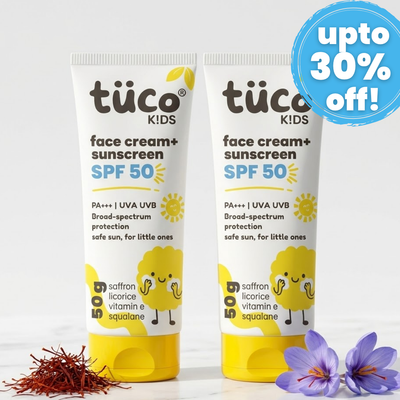
Mineral Sunscreens

Sharing Loofahs

Bacterial infections

Family

Individual soft washcloths


1. Using Adult Skincare on Kids

Adult skin is thick and resilient. Adult products often contain active acids (AHAs/BHAs) or heavy fragrances that are "too much" for a child’s delicate dermis.

  • Key Features: Adult soaps often have a high pH (alkaline), whereas kids need a pH of ~5.5.

  • Why Parents Love It (But shouldn't): It’s convenient to use one bottle for the whole family.

  • Best For: Adults. Keep it away from the kids!

2. Falling for "Chemical-Free" Fear Mongering

Marketing often uses "scare tactics" to make parents think everything is a toxin. Water is a chemical! The goal is safe ingredients, not "no ingredients."

  • Key Features: Look for "Toxin-Free" or "Organic" rather than "Chemical-Free."

  • Why Parents Love It: It feels safer to buy something with a "Green" label.

  • Best For: Informed parents who read ingredient lists (like Tuco Kids' transparent labels).

3. Neglecting the 3x Thinner Rule

Because kids' skin is so thin, they are highly susceptible to environmental toxins and UV rays. Using nothing at all is sometimes as bad as using the wrong thing.

  • Key Features: Targeted nourishment using Saffron or Aloe.

  • Why Parents Love It: Once they realize the science, they prioritize barrier protection.

  • Best For: Developing a protective daily routine.

4. Over-Exfoliating Active Kids

Active kids get dirty, but scrubbing them with harsh loofahs or grainy adult scrubs can cause micro-tears.

  • Key Features: Soft, natural exfoliants like Chickpea flour (Ubtan) or gentle enzymes.

  • Why Parents Love It: It gets the "playground grime" off without redness.

  • Best For: Tuco Kids Brightening Range, which uses natural botanicals to clean deeply but gently.

5. Using Heavy Essential Oils Directly

"Natural" doesn't always mean "Safe." Pure essential oils are highly concentrated and can cause burns or sensitization on thin skin.

  • Key Features: Properly diluted, kid-safe essential oils or hydrosols.

  • Why Parents Love It: They smell great and feel "holistic."

  • Best For: Aromatherapy, but use formulated products for skin.

6. Ignoring the pH Balance

The "Acid Mantle" is the skin's first line of defense. Standard soaps destroy this, leading to dryness and eczema.

  • Key Features: pH 5.5 formulated washes.

  • Why Parents Love It: It stops the "itchy skin" complaints after a bath.

  • Best For: Kids with sensitive or dry skin.

7. Misinterpreting "Organic"

Just because it's organic doesn't mean it's hypoallergenic. A child can be allergic to organic strawberries or organic nut oils.

  • Key Features: Patch-tested organic products.

  • Why Parents Love It: Peace of mind regarding pesticides.

  • Best For: Sustainability-conscious families.

8. Applying Too Much Product

"More is better" is a myth. Smothering a child in heavy creams can clog pores and lead to "sweat rashes" in India’s humid climate.

  • Key Features: Lightweight, breathable lotions.

  • Why Parents Love It: It feels like they are "extra" protecting the skin.

  • Best For: Winter months only; use light lotions in summer.

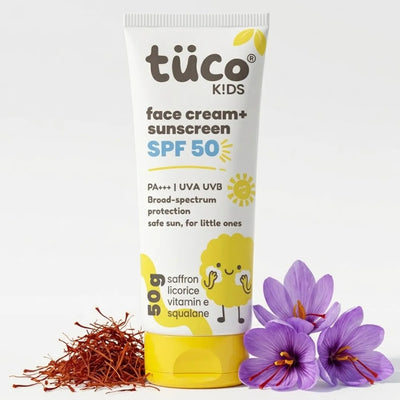
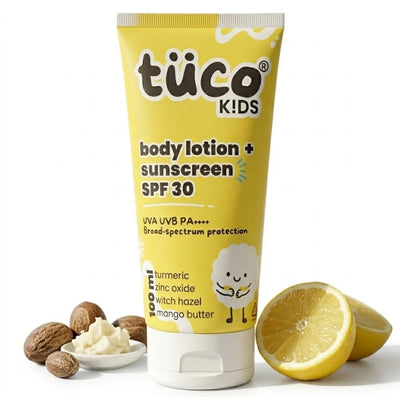
9. Thinking Darker Skin Doesn't Need Sunscreen

A dangerous myth! While melanin provides some protection, kids of all skin tones in India suffer from UV-induced dullness and long-term damage.

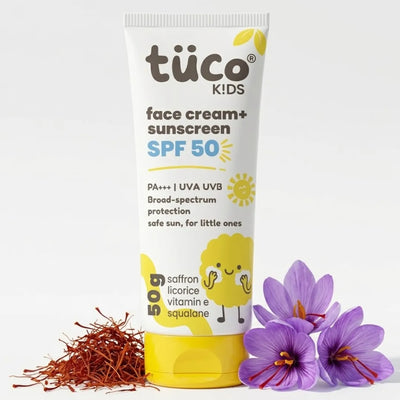
  • Key Features: Zinc-based (Physical) sunscreens.

  • Why Parents Love It: Prevents the "exhausted/burnt" look after school sports.

  • Best For: Every single day before school.

10. Using Talcum Powder Excessively

Old-school talc can dry out the skin too much and poses inhalation risks. Modern parents are moving toward cream-based powders or cornstarch.

  • Key Features: Talc-free, breathable dusting powders.

  • Why Parents Love It: The nostalgic scent and "dry" feel.

  • Best For: High-friction areas like underarms or knees.

To wrap up your guide, here are six essential FAQs that address the shift from baby care to specialized kids' skincare, with a focused look at Tuco Kids' unique market position and certifications.

Frequently Asked Questions

1. Why should I switch to Tuco Kids instead of continuing with baby brands?

Most baby brands are formulated for "sedentary" infants. As kids reach the age of 3, they face "big kid" problems like stubborn playground tan, sports sweat, and environmental grime. Tuco Kids uses "intelligent" natural actives like Saffron and Turmeric in concentrations specifically calibrated for kids aged 3–15. This allows the products to effectively deep-clean and brighten skin without the harsh chemicals found in adult soaps or the "too-mild" nature of baby washes.

2. What are parents saying about Tuco Kids in their reviews?

Tuco Kids has earned high praise for two specific reasons: visible results and independence. Parents frequently mention a noticeable difference in skin brightness and texture after just a few weeks of use. Additionally, the brand is often reviewed as "the first soap my kid actually wants to use," thanks to its kid-friendly packaging and easy-lathering formulas that encourage children to bathe themselves safely.

3. What certifications should I look for in organic kids' skincare?

In 2026, transparency is key. You should look for:

  • PETA Cruelty-Free: Found on brands like Tuco Kids and The Moms Co.

  • Ecocert (COSMOS Organic): The gold standard for organic purity, held by Juicy Chemistry.

  • Made Safe: Ensuring products are free from over 5,000 known toxins, common in Mamaearth products.

  • Dermatologically Tested: A must-have for brands like Little Rituals to ensure no irritation on delicate skin.

4. Can these organic brands help with school-age skin issues like “Playground Tan”?

Yes. Unlike adult brightening products that might use bleach, organic brands like Tuco Kids and Mother Sparsh use botanical extracts like Licorice root, Saffron, and Turmeric. These ingredients naturally inhibit melanin overproduction and gently exfoliate the skin, making them safe for daily use on sun-exposed arms and faces.

5. Is it safe for my 10-year-old to use "Teen" skincare?

It depends on the brand. Brands like Tuco Kids specifically distinguish between Kids (4–10) and Teens (11+). Pre-teen skin (ages 10–12) begins to experience hormonal shifts and increased oil production. Using a specialized brand ensures they aren't using heavy, oil-based baby products that could clog pores, nor aggressive adult acne treatments that could damage their still-thin skin barrier.

6. Are these products travel-friendly and easy to find?

Most of the top 10 brands, including Mamaearth, The Moms Co., and Tuco Kids, are widely available on major platforms like Amazon, Nykaa, and FirstCry. Many also offer "trial kits" or travel sizes, which are perfect for school trips or vacations where kids are likely to spend even more time outdoors and need reliable protection.

Back to blog