



Winter Skincare Routine for Kids: Complete Guide
Cold air, indoor heating, and low humidity all team up against your child's skin every winter — and they team up harder against kids than adults. A proper winter skin care routine for kids makes the difference between constant dryness and a comfortable, healthy season.
Tuco Kids tip: A rich, shea-butter-based lotion applied daily is the single most effective step in any winter routine.
Shop Deep Moisture Body Lotion →

Contents
- Quick Comparison: Best Tuco Products for Winter Skin Care
- Why Winter Skin Care for Kids Is Different
- Building a Complete Routine, Step by Step
- Winter Skin Care for Toddlers
- Choosing the Right Products, by Age
- Preventing Problems Before They Start
- When to See a Doctor
- FAQs
- Related Reads
Quick Comparison: Best Tuco Products for Winter Skin Care
| Ingredients | Tuco Product Solution | Key Product Features | Age-wise Recommendation |
|---|---|---|---|
| Shea butter, almond oil, aloe vera | Deep Moisture Body Lotion | The richest formula in the range — built specifically for the driest winter patches | 3–15 years |
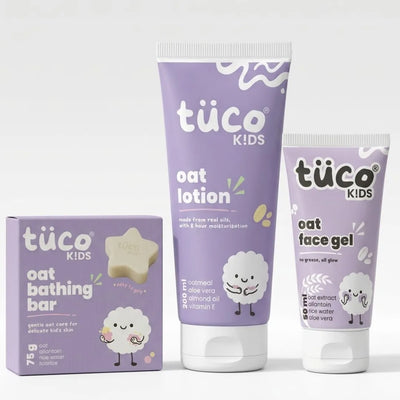
| Oat extract, aloe vera | 3-in-1 Oat Kit | Barrier-repair bathing bar, lotion & face gel — ideal for reactive, sensitive winter skin | 2–15 years, best for toddlers |
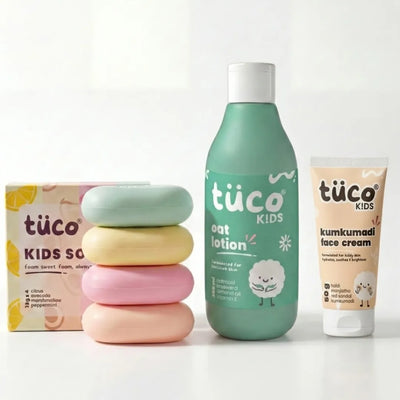
| Turmeric, Kakadu Plum, almond oil | 3-in-1 Bath Kit | Daily soap, lotion & face cream for a complete everyday winter routine | 3–15 years |
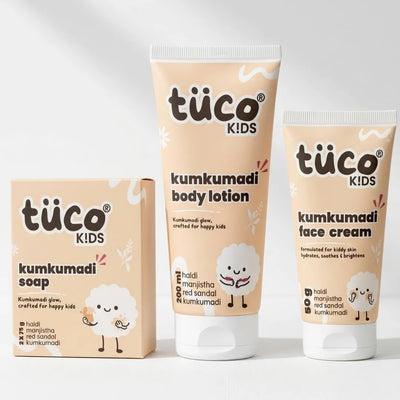
| Saffron, sandalwood, turmeric | 3-in-1 Kumkumadi Kit | A finishing touch once dryness has calmed, for an even-toned glow | 4–15 years |
Why Winter Skin Care for Kids Is Different
Cold, dry outdoor air combined with indoor heating strips moisture from skin far faster than in warmer months, and children feel this more acutely than adults do. Kids' skin is thinner, and their surface area is large relative to their overall body weight — which means, proportionally, they lose moisture through the skin faster than an adult standing in the exact same room. Frequent hot baths, though tempting in cold weather, compound the problem further by breaking down the skin's natural oil barrier right when it needs the most protection. A proper winter skin care for kids routine has to work harder than a summer one just to keep that barrier intact.
Building a Complete Routine, Step by Step
Keep bath water lukewarm, not hot, and limit baths to around 10 minutes to avoid stripping natural oils. Pat skin dry with a soft towel rather than rubbing, leaving it slightly damp before moisturizing — applying a rich lotion at this stage locks in dramatically more moisture than applying it once skin has fully air-dried. Hands, face, and lips typically need a second application midday, especially after outdoor play, since these areas are the most exposed and dry out fastest. A humidifier running in your child's room overnight rounds out the routine by meaningfully reducing the dryness caused by indoor heating while they sleep.
Winter Skin Care for Toddlers
Toddler skin is even more reactive than that of older kids, so winter skin care for toddlers should lean toward the gentlest, most barrier-supportive formulas available. Oat-based products are particularly well suited here, since oat extract is known for calming reactive, easily irritated skin without added fragrance. Toddlers who are newly mobile and spend more time outdoors need extra attention on hands, cheeks, and knees, which take the most direct weather exposure — and it's worth keeping layers breathable, since overheating in bulky winter clothing can irritate sensitive skin just as much as cold air does.
Shop 3-in-1 Oat Kit →

Choosing the Right Products, by Age
Infants and very young toddlers do best with the gentlest, most barrier-supportive winter skin care products for kids, applied generously and often, since young skin loses moisture fastest of any age. Kids around two to five tend to do especially well with oat-based products, given how reactive their skin still is combined with growing outdoor exposure. From about five to ten, richer, shea-butter-based lotions can be introduced for more intensive protection, particularly for kids spending long hours outdoors. By ten and up, most kids can help manage their own routine — a good moment to explain why consistency, not intensity, is what actually keeps winter skin under control. Across every age, look for rich, occlusive ingredients like shea butter and almond oil, and steer clear of alcohol-based or heavily fragranced products, which dry skin out further rather than protecting it.
Preventing Problems Before They Start
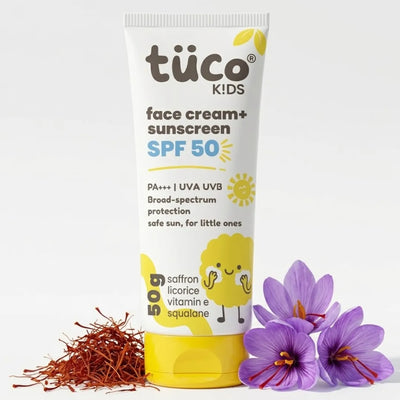
Prevention is always easier than treatment. Start adjusting your child's routine a few weeks before the weather actually turns cold, layering in a richer moisturizer and cutting back on very hot baths, rather than waiting until skin is already flaky or cracked. Consistency matters more than intensity here — a simple daily routine, done reliably, keeps winter dryness under control better than occasional heavy treatments applied only once skin already looks dry. And don't drop sunscreen just because it's winter: UV exposure continues year-round regardless of temperature.
When to See a Doctor
Most winter dryness responds well to a consistent home routine within 1–2 weeks. It's worth a doctor's visit if skin looks cracked, bleeding, or shows signs of infection, if dryness comes with significant redness, swelling, or intense itching, or if a consistent routine for 2–3 weeks hasn't led to any improvement — that pattern can sometimes point to eczema rather than simple seasonal dryness.
FAQs
What is the best winter skin care routine for kids?
Lukewarm baths, patting (not rubbing) dry, moisturizing within 3 minutes with a rich lotion, and reapplying on exposed areas like hands and face form the core of an effective routine.
How is winter skin care for toddlers different from older kids?
Toddler skin is more reactive, so gentler, barrier-supportive formulas like oat-based products are generally better suited than richer, more intensive treatments.
What ingredients should I look for in winter skin care products for kids?
Shea butter, almond oil, and aloe vera are all effective at forming a protective moisture barrier suited to cold, dry conditions.
How often should I bathe my child in winter?
Every other day is generally sufficient for younger kids in winter, since daily full baths can strip natural oils without any hygiene benefit.
Why does my child's skin get worse in winter even indoors?
Indoor heating significantly lowers humidity, which pulls moisture from skin just as much as cold outdoor air does.
When should I see a doctor about my child's winter skin?
See a doctor if skin looks cracked or shows signs of infection, if dryness comes with significant redness or itching, or if a consistent routine doesn't help after 2–3 weeks.
What's the biggest mistake parents make with winter skin care for kids?
Waiting until skin already looks dry or flaky before starting a routine — proactive, daily care from the start of the season prevents most issues from developing at all.
Related Reads
- Best Body Wash for Kids in India: 6 Gentle Picks That Make Bath Time Easier
- The Power of Turmeric: An Ancient Remedy for Kids' Skin Issues
- 10 Best Moisturizing Soaps in India for Dry Skin
- Best Kids Soap in India: Gentle, Safe, and Effective Options for Kids
- Lip Balm for Kids: Gentle Lip Care Tips for Young Skin