



Winter Rashes on Kids' Skin: Causes & Care
Red, rough, or irritated patches showing up on your child's skin every winter aren't unusual — cold weather is one of the most common triggers for flare-ups. A dry skin rash eczema pattern tends to worsen predictably as temperatures drop, but understanding why makes it much easier to manage with a gentle, consistent routine.
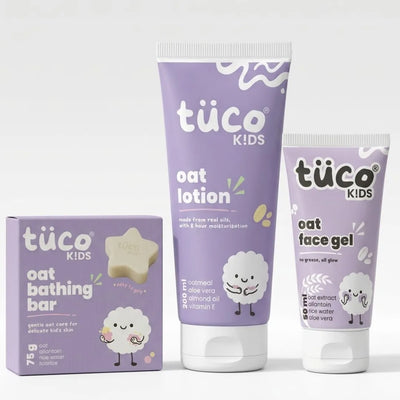
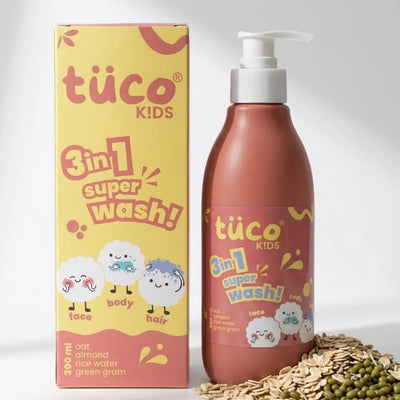
Tuco Kids tip: An oat-based formula calms reactive, irritated winter skin without harsh additives.
Shop 3-in-1 Oat Kit →

Contents
- Quick Comparison: Best Tuco Products for Winter Rashes
- Why Winter Weather Worsens Skin Rashes
- Winter Eczema on Hands
- Chapped Skin vs. Eczema: Telling Them Apart
- Building a Daily Protective Routine
- Ingredients That Support Rash-Prone Skin
- When to See a Doctor
- FAQs
- Related Reads
Quick Comparison: Best Tuco Products for Winter Rashes
| Ingredients | Tuco Product Solution | Key Product Features | Age-wise Recommendation |
|---|---|---|---|
| Oat extract, aloe vera | 3-in-1 Oat Kit | Barrier-repair bathing bar, lotion & face gel — the top pick for reactive, irritated skin | 2–15 years, best for toddlers |
| Shea butter, almond oil, aloe vera | Deep Moisture Body Lotion | The richest formula — best for the driest, most stubborn winter patches | 3–15 years |
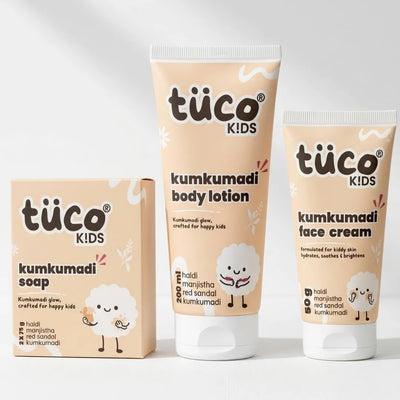
| Turmeric, Kakadu Plum, almond oil | 3-in-1 Bath Kit | Daily soap, lotion & face cream for a complete winter routine | 3–15 years |
Why Winter Weather Worsens Skin Rashes
Cold, dry air pulls moisture from skin far faster than warmer, more humid conditions, and indoor heating compounds the effect by lowering humidity even further indoors. What actually turns that dryness into a visible rash is a weakened skin barrier — the thin layer of lipids and cells that normally keeps irritants out starts to break down under sustained moisture loss, which lets allergens, fabric fibers, and even mild soap residue penetrate more easily than they would on well-hydrated skin. That's the real reason rashes and reactive patches cluster so heavily in winter: it's not just dry skin, it's compromised skin. Wool and heavier winter fabrics add mechanical irritation on top of that, rubbing against a barrier that's already under strain.
Winter Eczema on Hands
Hands are exposed to the elements constantly and washed frequently, which makes winter eczema on hands one of the most common seasonal complaints in kids. Each handwash strips away natural oils faster than skin can regenerate them, especially with the frequent washing that cold and flu season demands — so even though it's necessary for hygiene, it's also working against the skin barrier all day long. Cracked, red knuckles and rough patches on the backs of hands are the typical result. A rich lotion applied after every single wash, not just once or twice a day, makes a significant difference even though it can feel repetitive.
Shop Deep Moisture Body Lotion →

Chapped Skin vs. Eczema: Telling Them Apart
Chapped skin looks red, rough, and sometimes flaky, generally without significant swelling, and improves quickly with moisturizing alone. Eczema-related patches tend to be more persistently itchy, may thicken over time, and often recur in the same spots — elbows, behind knees, hands — regardless of season. Both conditions respond to the same first step, a gentle, barrier-supporting moisturizing routine, which makes starting there a safe choice either way. If simple moisturizing doesn't resolve a patch within one to two weeks, or if it keeps returning in the exact same location each winter, it's more likely to be an eczema-type pattern worth mentioning at your child's next checkup than simple chapping.
Building a Daily Protective Routine
Moisturize daily, even before any visible dryness appears — prevention works far better than reactive treatment once a rash has developed. Keep baths lukewarm and brief, since hot water strips the same protective oils the routine is trying to preserve, and choose soft, breathable fabrics next to skin, saving wool or heavier materials for outer layers only. A humidifier indoors helps counter the drying effect of heating systems, and reapplying lotion to hands after every wash closes the single biggest gap in most families' routines. A final, richer application at bedtime supports overnight skin recovery, when repair happens fastest.
Ingredients That Support Rash-Prone Skin
When skin is already irritated, ingredient choice matters more than usual. Oat extract is particularly effective for winter eczema on hands and other rash-prone areas, since it calms irritation without introducing fragrance or harsh actives. Aloe vera adds a soothing, cooling layer that many kids find comfortable during an active flare, and turmeric brings gentle antioxidant support that pairs well with both. Avoid anything with added fragrance, alcohol, or foaming sulfates during a flare-up — these can aggravate already-compromised skin and slow down recovery, even if the exact same ingredients feel fine on healthy skin.
When to See a Doctor
Most winter rashes respond well to consistent, gentle home care within 1–2 weeks. See a doctor if skin cracks deeply, bleeds, or shows signs of infection like warmth, swelling, or oozing, if itching is intense enough to disrupt sleep or daily activities, if a consistent moisturizing routine for 2–3 weeks shows no improvement, or if the rash spreads significantly or looks different from previous winters.
FAQs
What causes a dry skin rash eczema pattern in winter?
Cold, dry air combined with indoor heating weakens the skin barrier, making it more prone to irritation, dryness, and eczema-type flare-ups during colder months.
Why does winter eczema on hands happen so often?
Hands are exposed to the elements constantly and washed frequently, both of which strip natural oils faster than the skin can replace them.
How can I tell if it's chapped skin or eczema?
Chapped skin is typically red and rough without much itch, while eczema tends to be persistently itchy and often recurs in the same spots each winter.
How often should I moisturize a winter rash?
At least twice daily, with hands needing reapplication after every wash for the best results.
Is it safe to use a moisturizer on an existing rash?
Yes, gentle moisturizing is generally the first and safest step for most winter rashes, whether the cause is simple dryness or an eczema-type flare.
Why does my child's rash come back in the same spots every winter?
Recurring patches in the same locations each winter are common with eczema and are worth mentioning to your pediatrician for a longer-term management plan.
When should I take my child to the doctor for a winter rash?
See a doctor if skin cracks or bleeds, shows signs of infection, causes intense itching, or doesn't improve after 2–3 weeks of consistent care.
Are winter rashes contagious?
No — dry skin rash eczema and simple chapped skin from cold weather are not contagious. They're a response to environmental conditions, not an infection.
Related Reads
- Best Body Wash for Kids in India: 6 Gentle Picks That Make Bath Time Easier
- The Power of Turmeric: An Ancient Remedy for Kids' Skin Issues
- 10 Best Moisturizing Soaps in India for Dry Skin
- Best Kids Soap in India: Gentle, Safe, and Effective Options for Kids
- Lip Balm for Kids: Gentle Lip Care Tips for Young Skin