







North India Winter Skincare Guide (Delhi/Punjab-style dry, cold winters)
North India winter conditions — think Delhi, Punjab, Haryana, and the broader Indo-Gangetic plain — bring a genuinely different kind of dry, cold air than most of the country experiences, and a child's skin often needs a noticeably more intensive routine to handle it well.
Tuco Kids tip: A rich, occlusive lotion matters far more in North Indian winters than in milder southern climates — this is where the heaviest formula in your routine earns its place.

Contents
- Quick Comparison: Best Tuco Products for North Indian Winters
- Why North Indian Winters Are Harder on Skin
- Fog, Smog, and Skin: The Added Layer
- Indoor Heating and Its Effect on Skin
- Building a North India Winter Skin Care Routine
- Protecting Skin During Outdoor Time
- Common Winter Skin Issues in This Climate
- Traveling Within North India: Adjusting on the Go
- Quick Recap
- When to See a Doctor
- FAQs
- Related Reads
Quick Comparison: Best Tuco Products for North Indian Winters
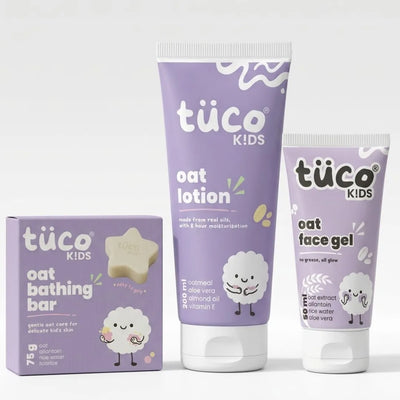
| Ingredients | Tuco Product Solution | Key Product Features | Age-wise Recommendation |
|---|---|---|---|
| Shea butter, almond oil, aloe vera | Deep Moisture Body Lotion | The richest formula in the range — built for genuinely harsh, dry cold | 3–15 years |
| Oat extract, aloe vera | 3-in-1 Oat Kit | Gentle option for reactive skin worsened by pollution and cold together | 2–15 years, best for toddlers |
| Turmeric, Kakadu Plum, almond oil | 3-in-1 Bath Kit | Complete daily soap, lotion & face cream routine | 3–15 years |
Why North Indian Winters Are Harder on Skin
Cities across Delhi NCR, Punjab, and Haryana see winter temperatures that can drop into single digits, combined with genuinely low humidity — a very different profile from the milder, damper winters much of South India experiences. This dry cold pulls moisture from skin considerably faster, and because the season lasts several months rather than a few brief cold snaps, the cumulative effect on a child's skin barrier can be significant if the winter skin care routine isn't adjusted to match. Families who moved from a milder climate, or who simply underestimate how much harsher North Indian winters are on skin compared to a typical Indian winter, are often caught off guard by how quickly dryness develops.
Fog, Smog, and Skin: The Added Layer
North Indian winters bring an additional factor most other regions don't deal with at the same scale: dense fog and elevated air pollution, particularly across the Delhi NCR region during peak winter months. Pollutant particles can settle on skin throughout the day, and combined with already-compromised, dry skin, this can worsen irritation and make skin feel gritty or reactive by evening. A thorough but gentle cleanse at the end of each day — not aggressive scrubbing, which adds its own irritation — helps remove this residue before it has a chance to aggravate already-stressed winter skin overnight.
Indoor Heating and Its Effect on Skin
Many North Indian homes rely on room heaters, geysers for consistently hot bath water, or centrally heated spaces during peak winter, and all three lower indoor humidity meaningfully, often more than families realize. A child spending hours in a heated bedroom overnight can end up with skin just as dry — sometimes drier — than from a full day outdoors in the cold. Running a humidifier in bedrooms during the coldest months, or simply cracking a window periodically for fresh air, helps counter this often-overlooked contributor to persistent dryness.
Building a North India Winter Skin Care Routine
Given the intensity of North Indian winters, a genuinely effective routine leans heavier than what milder-climate guides typically recommend. Keep baths lukewarm and brief, even though a hot bath feels especially appealing in single-digit temperatures. Moisturize generously, within minutes of bathing, using a rich, occlusive formula rather than a light, quick-absorbing one — this is one climate where the heaviest product in a range genuinely earns its place. Reapply lotion to hands and any exposed skin midday if a child spends significant time outdoors, and add a final, thorough layer before bed to support overnight repair.
Shop Deep Moisture Body Lotion →
Protecting Skin During Outdoor Time
School runs, morning walks, and outdoor play during peak North Indian winter mean real, sustained cold exposure for many kids. Covering hands with well-insulated (but not overly tight) gloves, protecting ears and the tip of the nose on especially cold mornings, and applying a protective layer of lotion to exposed skin before heading out all reduce the strain of repeated cold exposure. Layering a breathable cotton base under wool outerwear also matters here just as much as in any other cold climate, since wool worn directly against already-dry skin adds mechanical irritation on top of environmental dryness.
Common Winter Skin Issues in This Climate
Given how intense and prolonged North Indian winters can be, chapped hands and lips, cracked heels, and general widespread dryness across arms and legs are all common complaints during peak season. Kids with any existing tendency toward eczema or sensitive skin often see their most pronounced flare-ups of the year specifically during North Indian winter months, given the combination of dry cold, pollution, and extended indoor heating exposure working together rather than separately.
Traveling Within North India: Adjusting on the Go
Families traveling within North India during winter — visiting hill stations in Himachal or Uttarakhand, or even just moving between cities with different microclimates — often underestimate how quickly a child's skin needs to adjust to a new, sometimes even harsher, level of cold and dryness. Packing a slightly richer lotion than usual for hill station trips specifically, since altitude adds its own drying effect on top of winter cold, and continuing a consistent moisturizing routine through travel days (when it's easiest to skip) helps prevent a short trip from undoing weeks of otherwise good winter skin care routine progress.
Quick Recap
North Indian winters combine genuinely low humidity, extended cold duration, fog, and pollution — a harsher combination than most other Indian regions face. A resilient routine means a rich, occlusive lotion applied generously and often, a thorough evening cleanse to remove pollution residue, humidified indoor air where possible, and continued consistency while traveling, since hill station and inter-city trips can be just as drying as home conditions, sometimes more so.
Because this climate's winter stretches across several months rather than a few short weeks, it's worth treating the season as a distinct routine phase rather than a series of one-off fixes applied whenever dryness becomes visible. Families who set up a consistent, richer winter routine early — ideally as temperatures first start dropping in November — tend to avoid the more severe dryness that shows up by January in households that wait to react.
When to See a Doctor
Most seasonal dryness responds well to a consistently richer routine within one to two weeks. See a doctor if skin cracks deeply or bleeds, shows signs of infection like warmth, swelling, or oozing, if a child develops widespread, persistent itching that disrupts sleep, or if a genuinely thorough winter routine still shows no improvement after three weeks — at that point, an underlying skin condition may need proper evaluation.
FAQs
Why is North Indian winter so much harsher on kids' skin?
The combination of genuinely low humidity, extended cold duration, dense fog, and pollution creates a more intense drying effect than most other Indian climates experience.
What winter skin care routine works best for North India specifically?
A richer, more generous routine than milder climates need — lukewarm brief baths, a heavy occlusive lotion applied right after bathing, and a thorough evening cleanse to remove pollution residue.
Does pollution in North India actually affect kids' skin in winter?
Yes — pollutant particles settling on skin throughout foggy, high-pollution days can worsen irritation on skin that's already dry and stressed from the cold.
Does indoor heating make winter dryness worse in North India?
Often, yes — heaters, geysers, and heated indoor spaces lower humidity significantly, sometimes drying skin more than time spent outdoors in the cold.
How is North Indian winter skin care different from South Indian winter care?
North Indian winters are typically colder, drier, longer, and often foggier or more polluted, generally requiring a richer, more intensive skin care approach than milder southern winters.
What's the biggest overlooked cause of dryness during North Indian winter?
Indoor heating's effect on humidity is frequently underestimated — many parents focus entirely on outdoor cold and miss how much time indoors near a heater contributes.
Should I use a richer lotion in North India than other regions?
Generally yes — the intensity of North Indian winters often calls for the heaviest, most occlusive formula available, rather than a lighter, quick-absorbing one.
When should I see a doctor for my child's winter skin in this climate?
If skin cracks or bleeds, shows signs of infection, causes persistent sleep-disrupting itching, or doesn't improve after three weeks of a genuinely thorough routine.
Do North Indian winters affect all kids' skin the same way?
No — kids with naturally drier or more sensitive skin tend to feel the effects earlier and more intensely, which makes starting a richer routine proactively, before visible dryness appears, especially worthwhile in this climate.
How long does North Indian winter dryness typically last each year?
Peak dryness generally spans from late November through February across much of the Indo-Gangetic plain, meaning a consistently richer routine is worth maintaining for several months rather than treating it as a brief seasonal blip.
Does the smog in Delhi NCR specifically make winter skin care harder?
Yes — the combination of settled pollutant particles and already-dry skin means a thorough end-of-day cleanse matters more here than in regions without the same pollution levels.
Should I change my child's routine when moving between North and South India?
Generally yes — a routine calibrated for a milder, more humid southern climate will likely need to be noticeably richer and more frequent to keep up with North Indian winter conditions.