



How to Prevent Dry, Cracked Skin in Kids This Winter
Ask most parents to explain the reason for dry lips in winter and they'll say "cold weather" — true, but incomplete. The more useful version of the dry lips causes story explains not just why winter is worse, but why lips specifically are almost always the first place it shows up, worse than cheeks, worse than hands, worse than anywhere else.
The short version: lips have no oil glands. Everywhere else on the body, skin produces its own thin layer of sebum that helps slow down water loss. Lips don't have that built-in defense, which is why dry and chapped lips tend to appear before the rest of a child's skin shows any sign of winter trouble, and why dry and cracked lips can develop surprisingly fast once that thin, unprotected surface starts losing water to dry winter air.
Tuco Kids tip: Start moisturizing before skin looks dry, not after. A proactive routine prevents most winter skin problems from developing at all.
Shop Deep Moisture Body Lotion →

Contents
- TLDR: Quick Comparison
- Why Lips Go First: What's Actually Happening
- How This Progresses if Left Alone
- A Routine Built Around Timing, Not Just Products
- Prevention by Age
- When to See a Doctor
- FAQs
- Related Reads
| Ingredients | Tuco Product Solution | Key Product Features | Age-wise Recommendation |
|---|---|---|---|
| Shea butter, almond oil, aloe vera | Deep Moisture Body Lotion | Richest formula, best for very dry patches | 3–15 years |
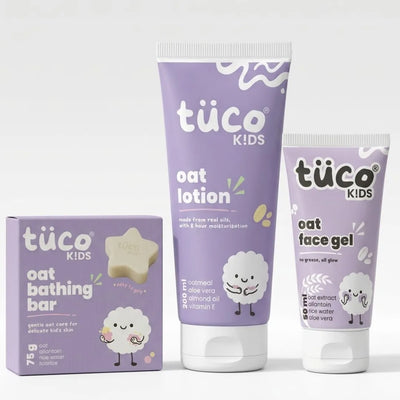
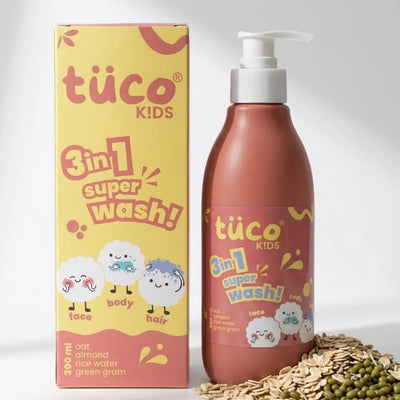
| Oat extract, aloe vera | 3-in-1 Oat Kit | Barrier-repair bathing bar, lotion, and face gel | 2–15 years, best for toddlers |
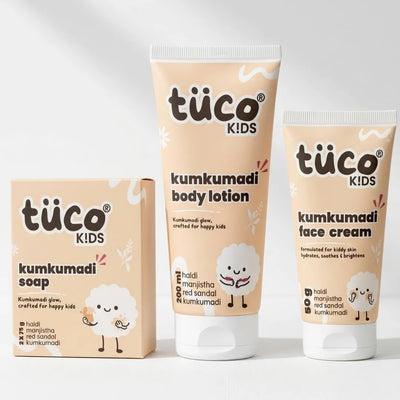
| Turmeric, Kakadu Plum, almond oil | 3-in-1 Bath Kit | Complete everyday soap, lotion, and face cream routine | 3–15 years |
| Beeswax, shea butter (lip care) | The Nothing Lip Balm | Ingestion-safe, fragrance-free lip protection | All ages |
Why Lips Go First: What's Actually Happening
Skin everywhere else on the body has a built-in advantage lips don't: sebaceous glands, which coat the surface in a thin layer of natural oil that slows down how quickly water evaporates. Lips are covered by a much thinner layer of skin with no oil glands and far fewer of the pigment cells that give the rest of the body some natural UV and environmental protection. That combination — thin, oil-free, constantly exposed — is exactly why lips are usually the first place winter dryness shows up, and why they can go from fine to cracked faster than almost anywhere else.
Cold, dry winter air makes this worse in an obvious way, but so do habits that feel protective in the moment and aren't. Licking dry lips is the biggest one — saliva evaporates within seconds and takes a small amount of surface moisture with it each time, so a habit meant to relieve dryness quietly deepens it instead. Indoor heating strips moisture from the air your child breathes all day, hot baths strip natural oils from the rest of the body, and frequent handwashing without reapplied moisturizer adds another daily source of water loss on the hands specifically. None of these causes are dramatic on their own; the reason winter dryness sneaks up on families is that they compound.
Kids with naturally sensitive or eczema-prone skin, or those who spend a lot of time outdoors in cold, windy conditions, feel all of this more acutely — their skin barrier was already working harder before winter added its own demands.
Shop 3-in-1 Oat Kit →

How This Progresses if Left Alone
Winter dryness rarely starts dramatically. The earliest sign is skin that feels rough or tight, especially right after bathing, along with faint white flakes on cheeks, hands, or knees. Lips look slightly dull or feel tacky before any visible peeling begins. Left untreated, this progresses to more obvious flaking, small cracks at the corners of the mouth, and redness in the most exposed areas — and in more advanced cases, those cracks deepen enough to sting or bleed slightly, particularly on lips and knuckles, which move constantly and get the least rest from the friction that reopens small cracks. Catching it in that first, subtle stage is what makes treatment fast rather than drawn-out.
A Routine Built Around Timing, Not Just Products
The single biggest lever in preventing winter dryness isn't which product you use — it's when you apply it. Moisturizer works by trapping existing moisture in the skin, so it's dramatically more effective applied to skin that's still slightly damp than to skin that's already dried out. A gentle cleanse with lukewarm, never hot, water followed immediately by a rich moisturizer captures far more hydration than the same product applied later to dry skin.
From there, the routine is mostly about closing the gaps that open up during an ordinary day: reapplying lotion to hands after every wash, since frequent handwashing is one of the most overlooked contributors to winter dryness, and adding a protective layer to exposed skin and lips before heading outdoors to buffer against wind. A final, slightly richer application at bedtime gives skin hours to recover overnight, uninterrupted by the friction and washing that undoes daytime moisturizing.
Look for shea butter, almond oil, and oat extract on the ingredient label — they form a protective layer that slows water loss in a way lighter, water-based lotions can't match, and oat extract in particular supports the skin barrier without added fragrance, which matters for already-irritated skin. Avoid alcohol-based formulas, strong fragrances, and foaming sulfates, all of which strip natural oils and undo the benefit of whatever's applied afterward.
Shop 3-in-1 Bath Kit →
Prevention by Age
Newborns and infants lose moisture fastest of all, so the gentlest, most fragrance-free products applied generously are worth prioritizing even before any dryness is visible. Toddlers, highly active and more exposed to the elements, tend to do well with oat-based formulas that support the skin barrier without feeling heavy. By school age, richer products can be introduced, and kids this age can start learning to reapply their own lip balm and lotion — a small independence that also tends to make the habit stick better than a routine that's entirely parent-managed.
When to See a Doctor
Most winter dryness responds well to home care within a week or two. See a doctor if skin cracks deeply enough to bleed, shows signs of infection like increasing redness, warmth, or oozing, or if a consistent routine doesn't produce any improvement after 2–3 weeks. Dryness that keeps returning in exactly the same spots each winter is also worth mentioning at a routine checkup, since that pattern can sometimes point to eczema rather than ordinary seasonal dryness.
FAQs
What is the main reason for dry lips in kids during winter?
Lips have no oil glands, so they lose moisture faster than the rest of the skin — cold, dry air and habits like lip licking are the main dry lips causes on top of that structural disadvantage.
How can I tell the difference between dry and chapped lips?
Dry lips feel tight or rough; chapped lips have progressed to visible flaking or small cracks — both respond to the same consistent, proactive care.
Are dry and cracked lips a sign of a vitamin deficiency?
Rarely — most cases are simple seasonal dryness related to lips' lack of oil glands, though persistent cases that don't improve with care are worth mentioning to your pediatrician.
Why does licking dry lips make them worse instead of better?
Saliva evaporates within seconds and takes a small amount of surface moisture with it each time, so the habit that feels soothing actually accelerates water loss.
How often should I moisturize my child's skin in winter?
Twice daily is a good baseline, with extra reapplication on hands after washing and before outdoor exposure.
Can dry, cracked skin become infected?
Yes, if cracks are deep enough to break the skin barrier — watch for increasing redness, warmth, or oozing as signs of infection.
Is it normal for dryness to come back every winter?
Yes, especially for kids with naturally sensitive or eczema-prone skin — starting a routine early each season helps minimize how bad it gets.
Does applying moisturizer to damp versus dry skin actually make a measurable difference?
Yes — moisturizer works by sealing in existing moisture, so it performs noticeably better on skin that's still slightly damp than on skin that's already dried out.
Related Reads
- Lip Balm for Kids: Gentle Lip Care Tips for Young Skin
- Best Body Wash for Kids in India: 6 Gentle Picks That Make Bath Time Easier
- The Power of Turmeric: An Ancient Remedy for Kids' Skin Issues
- 10 Best Moisturizing Soaps in India for Dry Skin
- Best Kids Soap in India: Gentle, Safe, and Effective Options for Kids