








Dry Patches on Face: Causes & Care for Kids in Winter
Dry patches face concerns are among the most common winter complaints parents bring up, and for good reason — facial skin is exposed to cold air, wind, and indoor heating more directly and more constantly than almost any other part of the body.
Tuco Kids tip: Face skin needs its own dedicated attention separate from body lotion — a formula made for the face tends to feel more comfortable and absorb better on this thinner, more exposed skin.
Contents
- Quick Comparison: Best Tuco Products for Facial Dryness
- Why the Face Shows Winter Dryness First
- Where Dry Patches Typically Show Up
- Understanding the Skin Barrier
- Building a Face-Specific Winter Routine
- Protecting Face Skin Outdoors
- When It Might Be More Than Simple Dryness
- Does Diet Affect Facial Dryness?
- Quick Recap
- When to See a Doctor
- FAQs
- Related Reads
Quick Comparison: Best Tuco Products for Facial Dryness
| Ingredients | Tuco Product Solution | Key Product Features | Age-wise Recommendation |
|---|---|---|---|
| Turmeric, Kakadu Plum, almond oil | 3-in-1 Bath Kit | Includes a dedicated face cream suited to facial skin specifically | 3–15 years |
| Oat extract, aloe vera | 3-in-1 Oat Kit | Calming formula for reactive, flaky facial skin | 2–15 years, best for toddlers |
| Shea butter, almond oil, aloe vera | Deep Moisture Body Lotion | For patches extending beyond the face onto neck and body | 3–15 years |

Why the Face Shows Winter Dryness First
Facial skin is thinner than skin on most other parts of the body, and it's almost always exposed to the elements, unlike arms or legs that are covered by clothing much of the time. This constant exposure to cold wind, dry indoor heating, and temperature swings between indoor and outdoor environments means dry face toddler patterns often appear before dryness becomes visible anywhere else on the body — the face is essentially an early warning sign for how a child's overall winter routine is holding up.
Where Dry Patches Typically Show Up
Cheeks are the most commonly affected area, given their direct, constant exposure to wind and cold, especially during outdoor play or school commutes. The area around the nose and mouth often shows dryness too, compounded by frequent wiping (from runny noses, common during cold-and-flu season) that adds mechanical irritation on top of environmental dryness. Around the eyes, where skin is especially thin and delicate, can also develop flaky skin kids patches, though this area needs particularly gentle products given how sensitive it is. An itchy skin child is also more likely to rub or scratch at these areas, which adds further mechanical irritation on top of the underlying dryness and can slow how quickly a patch actually heals.
Understanding the Skin Barrier
The skin barrier is the outermost layer of skin, made up of cells and lipids that work together to keep moisture in and irritants out. Cold, dry winter air, combined with harsh cleansers or over-washing, weakens this barrier, which is what actually turns simple dryness into visible flaking, redness, or discomfort — a compromised skin barrier kids face lets more moisture escape and lets more irritants in, creating a cycle that's harder to break the longer it continues unaddressed.
Building a Face-Specific Winter Routine
A gentle, fragrance-light cleanser used once or twice daily (over-washing the face actually worsens dryness, even with a gentle cleanser) followed by a dedicated face moisturizer applied while skin is still slightly damp forms the core of a good winter face routine. For the delicate area around the nose that gets wiped frequently, a slightly thicker layer of protective balm or cream can reduce the friction-related irritation that builds up through cold-and-flu season specifically.
Protecting Face Skin Outdoors
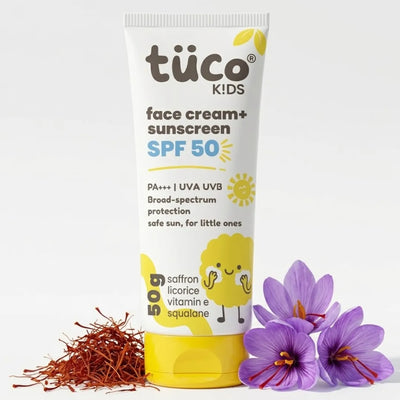
Applying a protective layer of moisturizer to the face before heading outdoors, rather than only after coming back in, shields skin from cold wind exposure while it's actually happening rather than treating the damage afterward. A soft scarf loosely covering the lower face during genuinely cold, windy conditions can reduce direct wind exposure, though it's worth balancing this against comfort and breathability for younger kids. On bright winter days, especially at altitude or with snow on the ground, a light, kid-safe sunscreen for the face remains worthwhile too, since winter sun still affects already-dry, more vulnerable skin.
When It Might Be More Than Simple Dryness
Most facial dry patches are straightforward environmental dryness, but persistent, itchy patches that recur in the same spots each winter, particularly around the eyes, cheeks, or jawline, can sometimes indicate eczema rather than simple seasonal dryness. Patches with a distinct, well-defined red ring, or ones that seem to spread rather than stay in one area, occasionally point to a fungal cause instead. These distinctions matter for treatment, which is part of why persistent or unusual-looking patches are worth a doctor's opinion rather than continued home experimentation.
Does Diet Affect Facial Dryness?
Overall hydration and a balanced diet with adequate healthy fats can support skin's natural barrier function, though diet alone rarely resolves dryness caused primarily by cold, dry air — it works best as a supporting factor alongside a proper topical routine rather than a substitute for one. Kids who drink noticeably less water in winter, when thirst cues are weaker than in summer heat, sometimes show it on facial skin first, making a gentle reminder to drink water through the day a reasonable, low-effort addition to a winter skin routine.
Quick Recap
Facial dryness shows up first because face skin is thinner and constantly exposed. A gentle cleanser used once or twice daily, a dedicated face moisturizer applied while skin is damp, and proactive protection before heading outdoors address most cases. Persistent, recurring, or unusually shaped patches are worth a doctor's look to rule out eczema or a fungal cause.
When to See a Doctor
Most facial dry patches improve within one to two weeks of a gentle, consistent routine. See a doctor if patches are persistent, spreading, or unusually shaped, if they crack or bleed, if they recur in the same location every winter (a possible sign of eczema), or if a genuinely consistent routine shows no improvement after three weeks.
FAQs
Why does my child get dry patches on their face specifically in winter?
Facial skin is thinner and constantly exposed to wind, cold, and indoor heating, unlike other body parts that are partly covered by clothing, which is why it often shows dryness first.
Where do dry patches on kids' faces typically show up?
Cheeks, the area around the nose and mouth (often worsened by wiping), and sometimes around the eyes, where skin is especially thin and delicate.
What is the skin barrier and why does it matter for dry patches?
It's the outermost layer of skin that keeps moisture in and irritants out — cold air and harsh cleansers weaken it, which is what actually causes visible flaking and discomfort.
How often should I wash my child's face in winter?
Once or twice daily with a gentle cleanser is usually enough — washing more frequently, even with a mild product, can worsen dryness rather than helping it.
Can dry patches on a child's face be something other than simple dryness?
Sometimes — persistent, itchy patches that recur in the same spot each winter can indicate eczema, and well-defined, spreading patches occasionally point to a fungal cause.
Should I use body lotion or a dedicated face product for facial dryness?
A dedicated face moisturizer tends to feel more comfortable and absorb better on thinner facial skin, though body lotion works fine for patches extending onto the neck.
How can I protect my child's face from winter wind outdoors?
Applying moisturizer before heading out, rather than only after, and using a loosely wrapped scarf in genuinely cold, windy conditions both help reduce direct exposure.
When should I see a doctor about my child's dry facial patches?
If patches are persistent, spreading, unusually shaped, crack or bleed, recur every winter in the same spot, or don't improve after three weeks of consistent care.
Does drinking more water help with dry facial patches?
It can support skin's overall hydration, though it works best alongside a proper topical routine rather than as a replacement for moisturizer and gentle cleansing.
Can indoor heating cause facial dryness even without going outside?
Yes — heated indoor air lowers humidity significantly, and since the face is rarely covered, it's exposed to this dry air just as much indoors as outdoors.
Should I use sunscreen on facial dry patches in winter?
Yes — winter sun can still affect already-compromised skin, so a light, kid-safe sunscreen applied after moisturizer is worth keeping in the routine for outdoor days.
How long should I try a new face product before switching again?
Give it two to three weeks — facial skin takes time to respond, and switching too quickly makes it hard to judge whether a product is actually helping.