



Cracked Heels in Kids: Causes and Home Remedies
Cracked heels aren't just an adult problem — kids get them too, especially in winter. Understanding why they happen explains a lot about why the treatment overlaps so closely with how you'd approach cracked lips: both come down to consistent moisture and gentle protection, applied to skin that's fighting an uneven battle against water loss.
Left untreated, deep heel cracks can be uncomfortable to walk on and, in rare cases, prone to infection — much like severe lip problems that go unaddressed. The good news is that most cases respond well to a simple home routine.
Tuco Kids tip: Rich, barrier-supporting moisturizer applied to clean, slightly damp feet is the single most effective home remedy for cracked heels.
Shop Deep Moisture Body Lotion →

Contents
- TLDR: Quick Comparison
- Why Heels Crack (and Why They're Different From Other Dry Skin)
- Symptoms and Severity
- A Routine That Actually Works
- How Cracked Heels Compare to Cracked Lips
- When to See a Doctor
- FAQs
- Related Reads
| Ingredients | Tuco Product Solution | Key Product Features | Age-wise Recommendation |
|---|---|---|---|
| Shea butter, almond oil, aloe vera | Deep Moisture Body Lotion | Richest formula, best for deep cracks on heels | 3–15 years |
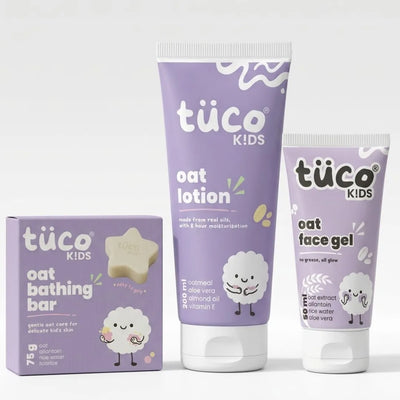
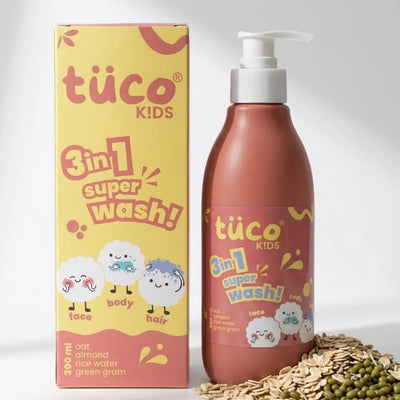
| Oat extract, aloe vera | 3-in-1 Oat Kit | Gentle option for sensitive skin around cracks | 2–15 years |
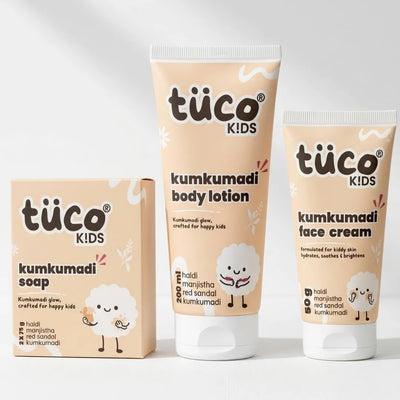
| Turmeric, Kakadu Plum, almond oil | 3-in-1 Bath Kit | Daily soap and lotion routine for everyday prevention | 3–15 years |
| Beeswax, shea butter (lip care) | See our lip care guide | For related cracked lips and lip problems | All ages |
Why Heels Crack (and Why They're Different From Other Dry Skin)
Heels crack for the same basic reason lips chap and cheeks flake — skin is losing water faster than it can replace it. But heels have one thing working against them that most other dry-skin trouble spots don't: they bear the full weight of walking and running on skin that's already thicker and less elastic than skin anywhere else on the body. When that thick, dry skin is stretched under body weight with every step, it doesn't just flake — it splits, and often deeper and more painfully than dryness elsewhere.
Cold winter air and indoor heating both draw moisture out of the skin the same way they do everywhere else, but walking barefoot on cold floors, wearing socks that don't breathe well, and long hot baths that strip natural oils add up faster on heels specifically because of that constant mechanical stress. Kids who spend a lot of time barefoot or in open sandals during transitional weather are especially prone to developing rough, thickened skin on the heels that eventually gives way to visible cracks.
Shop 3-in-1 Oat Kit →

Symptoms and Severity
Mild cases show as rough, slightly thickened skin around the edges of the heel, sometimes with a few fine surface lines. As it progresses, deeper cracks appear, which can sting when your child walks and may even bleed slightly in more severe cases. Redness or swelling around a crack, or any sign of oozing, suggests the area may be irritated or starting to get infected and deserves closer attention.
A Routine That Actually Works
Start with a short soak in lukewarm water to soften the thickened skin, then gently pat feet dry rather than rubbing. Apply a rich, barrier-supporting moisturizer immediately afterward, focusing extra product directly on the heel, then cover with soft cotton socks — this single step matters more than most parents realize, since without socks, much of the product ends up on the sheets rather than absorbing into skin overnight. Repeat nightly during the driest months, with a midday touch-up on especially cold or dry days.
A few habits quietly work against healing: applying moisturizer to dry, unwashed feet is far less effective than applying it after a brief soak, when skin is softened and more receptive, and wearing damp socks or shoes for extended periods keeps skin cycling between wet and dry in a way that worsens cracking rather than helping it. Choosing breathable socks and well-fitted, closed shoes during the coldest months, and keeping bath water lukewarm rather than hot, both help prevent the problem from recurring once it's resolved.
How Cracked Heels Compare to Cracked Lips
Cracked heels and cracked lips share a surprising amount in common — both develop when skin loses moisture faster than it can be replaced, and both respond well to the same core principle: consistent, generous moisturizing with a barrier-supporting formula. The real difference is exposure and thickness. Heel skin is naturally thicker and takes longer to soften and heal, and it's under constant mechanical stress from walking, while lip skin is thin, has no oil glands of its own, and reacts more quickly to both dryness and treatment.
If your child has both cracked heels and lip problems this winter, it's often a sign their overall skin barrier needs extra support — a consistent, whole-body winter routine tends to help both areas at once. For lip-specific lip infection treatment guidance, our dedicated lip care guide covers signs of infection and when to seek care.
When to See a Doctor
Most cracked heels improve with a week or two of consistent home care. See a doctor if cracks are deep enough to bleed regularly, show signs of infection such as redness, warmth, or oozing, or if your child is in enough pain that it affects walking. Diabetic children or those with other underlying health conditions should have any persistent foot skin issue checked promptly.
FAQs
Why do kids get cracked heels in winter?
Cold air, indoor heating, and hot baths draw moisture out faster than it can be replaced, and the daily weight of walking then splits that dry, thickened skin.
What's the fastest home remedy for cracked heels?
A lukewarm foot soak followed by a thick layer of moisturizer and soft cotton socks overnight tends to show results quickly.
Is there a connection between cracked heels and cracked lips?
Both stem from the same underlying issue — moisture loss outpacing the skin's ability to repair itself — so a child prone to one may be prone to the other.
How long does it take for cracked heels to heal?
With consistent care, most mild to moderate cases improve noticeably within 1–2 weeks.
Should my child wear socks to bed for cracked heels?
Yes, soft cotton socks worn over a thick layer of moisturizer overnight can meaningfully speed up healing.
What lip infection treatment should I use if lips crack too?
For lips specifically, a gentle, ingestion-safe balm applied consistently is the starting point — see a doctor if cracks bleed or don't improve within a week or two.
Are cracked heels contagious?
No — cracked heels from dryness are not contagious. They're a response to environmental and mechanical factors, not an infection.
Is it normal for cracked heels to return every winter?
Yes, especially for active kids or those who spend a lot of time barefoot — starting a preventive routine early each season helps minimize recurrence.
Related Reads
- Lip Balm for Kids: Gentle Lip Care Tips for Young Skin
- Best Body Wash for Kids in India: 6 Gentle Picks That Make Bath Time Easier
- The Power of Turmeric: An Ancient Remedy for Kids' Skin Issues
- 10 Best Moisturizing Soaps in India for Dry Skin
- Best Kids Soap in India: Gentle, Safe, and Effective Options for Kids