




Chilblains in Kids: Causes, Symptoms & Home Care
Small, itchy, reddish-purple patches showing up on your child's fingers or toes every time the temperature drops are often chilblains — a genuinely common winter condition that most parents have never heard named, even when they've seen it before.
Tuco Kids tip: Keeping skin well-moisturized supports circulation and comfort in areas prone to chilblains.
Shop Deep Moisture Body Lotion →

Contents
- Quick Comparison: Best Tuco Products for Chilblain-Prone Skin
- What Are Chilblains?
- What Causes Chilblains in Kids
- Recognizing the Symptoms
- Chilblains on Fingers vs. Chilblains on Toes
- Home Remedies and Care
- Preventing Chilblains From Recurring
- Chilblains Myths Worth Clearing Up
- Quick Recap
- When to See a Doctor
- FAQs
- Related Reads
Quick Comparison: Best Tuco Products for Chilblain-Prone Skin
| Ingredients | Tuco Product Solution | Key Product Features | Age-wise Recommendation |
|---|---|---|---|
| Shea butter, almond oil, aloe vera | Deep Moisture Body Lotion | Rich, occlusive formula for hands and feet prone to chilblains | 3–15 years |
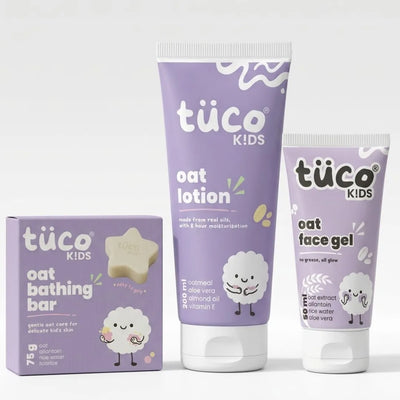
| Oat extract, aloe vera | 3-in-1 Oat Kit | Soothing formula for itchy, irritated patches | 2–15 years, best for toddlers |
| Turmeric, Kakadu Plum, almond oil | 3-in-1 Bath Kit | Gentle daily routine that avoids further irritating sensitive skin | 3–15 years |
What Are Chilblains?
Chilblains are small, inflamed patches of skin that develop as an abnormal reaction to cold, followed by rapid rewarming. When skin gets cold, tiny blood vessels near the surface narrow to conserve heat; when it warms back up quickly, those vessels can expand faster than nearby blood flow can keep pace with, causing fluid to leak into surrounding tissue. The result is a red or purplish, sometimes swollen patch that can feel itchy, tender, or burning — most commonly on fingers, toes, and occasionally ears or the nose. It's a genuinely common condition in kids, particularly in climates with damp cold rather than dry cold, and it tends to run in families to some degree.
What Causes Chilblains in Kids
The most common chilblains causes center around repeated exposure to cold, especially damp cold, followed by rapid rewarming — stepping from a cold outdoor environment straight into a hot bath or in front of a heater is a classic trigger. Poor circulation, tight-fitting shoes or gloves that restrict blood flow, and simply having naturally smaller blood vessels (more common in kids than adults) all increase susceptibility. Kids who spend extended time outdoors in cold, damp weather without adequate insulation on hands and feet specifically are at higher risk than those who stay warm and dry throughout exposure.
Recognizing the Symptoms
The classic chilblains symptoms include small red or purplish patches, usually appearing within hours of cold exposure and rewarming, accompanied by itching, a burning or tingling sensation, and sometimes mild swelling. The affected area can feel tender to the touch, and in more pronounced cases, the skin surface may blister or crack, though this is less common in mild, well-managed cases. Symptoms typically peak within a day or two and then gradually ease over one to three weeks, even without specific treatment, though comfort measures speed this along considerably.
Chilblains on Fingers vs. Chilblains on Toes
Chilblains on fingers tend to appear on the tips and sides of fingers, often noticed first because kids frequently look at and use their hands, making the discoloration and itching harder to miss. Chilblains on toes, by contrast, are often discovered later since socks and shoes hide them from view, and the constant pressure of walking or running in tight footwear can make toe chilblains more uncomfortable day-to-day than finger chilblains. Both locations respond to the same core approach — gradual rewarming, gentle moisturizing, and avoiding tight-fitting gloves or shoes that restrict circulation.
Home Remedies and Care
The most effective chilblains home remedies center on gentle, gradual warmth rather than rapid heat — warming affected hands or feet slowly, at room temperature, rather than directly in front of a heater or in hot water, reduces the sharp blood vessel expansion that worsens symptoms. Keeping the area moisturized with a rich, occlusive lotion supports skin comfort and may help reduce itching. Avoid scratching, even though itching can be intense, since broken skin increases the risk of infection in an area that's already inflamed. Loose, breathable, warm clothing that doesn't restrict circulation helps prevent the discomfort from worsening while the patch heals.
Preventing Chilblains From Recurring
Kids who've had chilblains once are somewhat more likely to get them again in future cold spells, which makes prevention worth prioritizing once a pattern is identified. Layering warm, well-insulated (but not overly tight) gloves and socks before extended outdoor cold exposure, avoiding sudden temperature changes by warming up gradually indoors, and keeping skin well-moisturized as a daily habit through the coldest months all reduce recurrence. For kids with a known tendency toward chilblains, checking that footwear isn't restricting circulation — a common overlooked factor — is worth a specific look each time shoe sizes change.
Chilblains Myths Worth Clearing Up
A common misconception is that chilblains only happen in extreme, sub-zero cold — in reality, they're often more strongly linked to damp cold combined with rapid rewarming than to how low the temperature actually drops, which is why they show up in kids who spend time outdoors in cool, damp weather even without freezing conditions. Another myth is that rubbing or vigorously warming an affected area speeds recovery — this actually worsens the rapid blood vessel expansion that causes chilblains in the first place, making gentle, gradual warming the better approach every time. It's also a myth that chilblains are a sign of a serious underlying illness in most kids; while doctors do sometimes check for circulation-related conditions in cases that are unusually frequent or severe, the vast majority of childhood chilblains are simply a normal, if uncomfortable, cold-weather response.
Quick Recap
Chilblains are small, itchy or tender red-purple patches caused by a cold-then-rewarm cycle, most common on fingers and toes. Home care centers on gradual warming, gentle moisturizing, avoiding scratching, and non-restrictive warm layers. Most cases clear up within one to three weeks, and prevention going forward is mostly about avoiding sudden temperature swings and keeping extremities consistently warm and dry during cold outings.
Keeping a simple mental checklist through the coldest months helps: dry hands and feet thoroughly after any wet outdoor play, warm up gradually indoors rather than rushing to a heater, moisturize daily even on days without visible symptoms, and choose gloves and socks that insulate well without fitting so tightly they restrict circulation. Families who've dealt with recurring chilblains in previous winters often find that starting these habits proactively, before the coldest weeks hit, meaningfully reduces how often patches appear at all.
When to See a Doctor
Most chilblains resolve within one to three weeks with simple home care and don't require medical treatment. See a doctor if patches blister, crack open, or show signs of infection like increasing redness, warmth, or pus, if chilblains recur frequently or severely enough to interfere with daily activities, or if a patch doesn't improve within three to four weeks — a doctor can also rule out other causes of similar-looking symptoms and discuss circulation-supporting measures for kids with recurrent cases.
FAQs
What causes chilblains in kids?
Repeated cold exposure followed by rapid rewarming is the main trigger, often worsened by poor circulation, tight footwear or gloves, or naturally smaller blood vessels.
What do chilblains look like?
Small, red or purplish patches, usually on fingers or toes, that can feel itchy, tender, or burning and sometimes mildly swollen.
What is the best chilblains treatment at home?
Gradual (not rapid) rewarming, gentle moisturizing, avoiding scratching, and loose, warm clothing that doesn't restrict circulation are the main effective home measures.
How long do chilblains on fingers usually last?
Most cases ease within one to three weeks with consistent, gentle home care, even without specific medical treatment.
Are chilblains on toes different from chilblains on fingers?
The underlying cause is the same, but toe chilblains are often noticed later since footwear hides them, and tight shoes can add extra pressure-related discomfort.
What are effective chilblains home remedies for kids?
Gradual warming rather than sudden heat, regular gentle moisturizing, avoiding tight footwear or gloves, and not scratching the affected area.
Can chilblains be prevented?
Yes, largely — warm, non-restrictive layering, avoiding sudden temperature changes, and consistent moisturizing through the coldest months significantly reduce recurrence.
When should I take my child to a doctor for chilblains?
If patches blister, crack, or show signs of infection, if they recur frequently or severely, or if a patch shows no improvement after three to four weeks.
Are chilblains more common in some kids than others?
Yes — kids with naturally smaller blood vessels, a family history of chilblains, or those who spend extended time outdoors in cold, damp conditions without adequate insulation tend to be more prone to them.
Should I avoid all outdoor play if my child gets chilblains easily?
Not necessarily — well-insulated gloves and socks, avoiding prolonged exposure without breaks, and gradual rewarming afterward usually allow normal outdoor play while reducing the risk.
Do chilblains leave any lasting marks on the skin?
Typically not — most cases heal completely without scarring once the patch resolves, though very severe or repeatedly scratched patches occasionally take a little longer to return to their normal appearance.
Is there a specific age when kids are most prone to chilblains?
Chilblains can affect kids of any age, though younger children with smaller, less mature blood vessels and less awareness of when to come in from the cold sometimes experience them somewhat more often.