



Chapped Lips in Babies & Kids: Causes and Remedies
Cracked, sore, or peeling lips are one of the most common cold-weather complaints for babies and kids. Chapped lips baby concerns spike every winter, and thankfully most cases are simple to treat once you know what's actually going on — and why lips, of all places, seem to take the hit first.
Tuco Kids tip: A rich, barrier-supporting formula applied consistently helps protect delicate lip skin from cold, dry winter air.
Shop The Nothing Lip Balm→

Contents
- Quick Comparison: Best Tuco Products for Winter Skin & Lips
- Why Babies and Kids Get Chapped Lips First
- Dry Lips in Babies: What's Different
- Chapped Lips Baby Treatment: A Routine That Works
- Chapped Lips by Age
- When to See a Doctor
- FAQs
- Related Reads
Quick Comparison: Best Tuco Products for Winter Skin & Lips
| Ingredients | Tuco Product Solution | Key Product Features | Age-wise Recommendation |
|---|---|---|---|
| Shea butter, almond oil, aloe vera | Deep Moisture Body Lotion | Richest formula for the skin around chapped, dry lips and the surrounding face | 3–15 years |
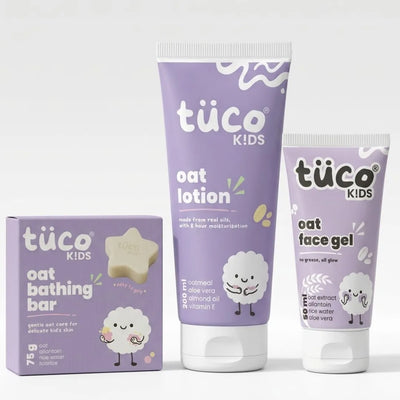
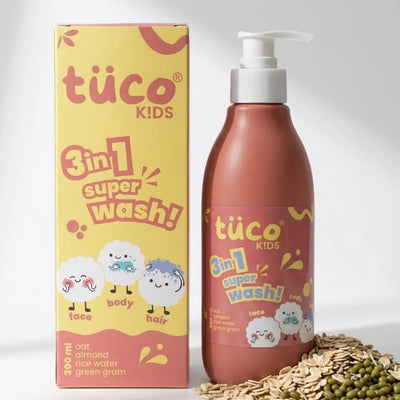
| Oat extract, aloe vera | 3-in-1 Oat Kit | Calming, barrier-repair formula for reactive skin around the mouth | 2–15 years, best for toddlers |
| Turmeric, Kakadu Plum, almond oil | 3-in-1 Bath Kit | Complete daily routine that supports overall winter skin health | 3–15 years |
Why Babies and Kids Get Chapped Lips First
Lip skin has no oil glands of its own — unlike the rest of the face and body, which produce a thin layer of natural sebum that slows down water loss, lips have nothing built in to protect them. That single structural difference is why lips are so often the first place winter dryness shows up, well before cheeks or hands. Cold, dry winter air pulls moisture from that unprotected surface constantly, especially during outdoor play, and mouth breathing — common with colds or nasal congestion in winter — dries lips out significantly faster than normal nasal breathing.
Lip licking, a habit in both babies and older kids, makes all of this worse rather than better. It feels soothing in the moment, but saliva evaporates within seconds and takes a small amount of surface moisture with it each time, so the habit that's meant to relieve dryness quietly deepens it instead.
Dry Lips in Babies: What's Different
Dry lips baby cases are common and usually harmless, though a baby's skin barrier is even less developed than an older child's, making prevention especially important. Babies can't tell you their lips feel uncomfortable, so watch for fussiness during feeding, which can be a subtle sign of lip dryness or soreness. Because babies mouth everything, only fragrance-free, ingestion-safe products should ever be used near a baby's lips — and dry lips in babies often improve quickly once feeding position and general hydration are addressed alongside topical care.
Shop 3-in-1 Oat Kit →

Chapped Lips Baby Treatment: A Routine That Works
Start by gently wiping away drool or food residue, which can worsen irritation if left on the skin, then apply a gentle, fragrance-free, ingestion-safe barrier product between feedings. For older kids, gently discouraging lip licking matters more than any product choice — it's the single biggest contributor to worsening dryness. Reapply a protective balm before heading outside in cold or windy weather, and keep overall hydration up, since adequate fluid intake supports skin health from the inside as well as outside.
Prevention beats treatment here: apply a gentle, protective layer to lips every morning during winter, not just after chapping appears, and keep a barrier product easily accessible so reapplication after meals or outdoor play becomes a simple habit. A humidifier at home counters the drying effect of indoor heating on overnight breathing and skin, and if mouth breathing is linked to congestion, addressing that underlying cause does more for chapped lips than any balm alone.
Chapped Lips by Age
For newborns and young babies, focus on gentle, ingestion-safe barrier products and address any feeding-related friction that might be contributing. Toddlerhood is often when lip licking becomes a noticeable habit — gentle, consistent reminders plus a barrier product help break the cycle. School-age kids can be encouraged to carry a small lip balm for reapplication throughout the day, especially during outdoor recess in cold weather. Using adult lip products on any age is worth avoiding, since many contain menthol, camphor, or fragrance that can irritate a child's more sensitive lip skin.
When to See a Doctor
Most chapped lips respond well to simple, consistent care within a few days to a week. See a doctor if lips crack deeply enough to bleed or show signs of infection, chapping persists despite 1–2 weeks of consistent gentle care, your child seems to be in pain especially during feeding or eating, or you notice swelling or unusual redness beyond typical dryness.
FAQs
What causes chapped lips in babies?
Lip skin lacks oil glands, and cold, dry winter air combined with drooling or feeding friction commonly leads to chapped lips baby cases.
How do I treat dry lips in a baby safely?
Keep lips clean and dry, apply a gentle, fragrance-free, ingestion-safe barrier product, and increase overall hydration to support healing.
What's the best lip balm for winter for kids?
Look for fragrance-free, gentle formulas without menthol or camphor, ideally something specifically labeled safe for children rather than an adult product.
Why does my child keep licking their chapped lips?
Licking feels temporarily soothing, but saliva evaporates quickly and takes moisture with it, which actually worsens dryness over time.
Can mouth breathing cause chapped lips in kids?
Yes, mouth breathing — often linked to colds or nasal congestion — dries lips out significantly faster than normal nasal breathing.
When should I take my child to the doctor for chapped lips?
See a doctor if lips crack deeply enough to bleed, chapping persists past 1–2 weeks of care, or your child seems to be in pain while eating.
Can teething cause chapped lips baby symptoms?
Yes, excess drooling during teething can contribute to irritation around the mouth and lips, so keep the area gently dried and moisturized during teething phases.
Is it safe to use adult lip balm on a baby?
It's best to avoid adult formulas, since many contain menthol, camphor, or fragrance that can irritate a baby's more delicate lip skin.
Related Reads
- Lip Balm for Kids: Gentle Lip Care Tips for Young Skin
- Best Body Wash for Kids in India: 6 Gentle Picks That Make Bath Time Easier
- The Power of Turmeric: An Ancient Remedy for Kids' Skin Issues
- 10 Best Moisturizing Soaps in India for Dry Skin
- Best Kids Soap in India: Gentle, Safe, and Effective Options for Kids