



Best Lip Balm for Kids in Winter
Finding the best lip balm for winter shouldn't mean sorting through adult products loaded with menthol, camphor, and fragrance. Here's exactly what to look for, and why lips need such different care from the rest of the skin in the first place.
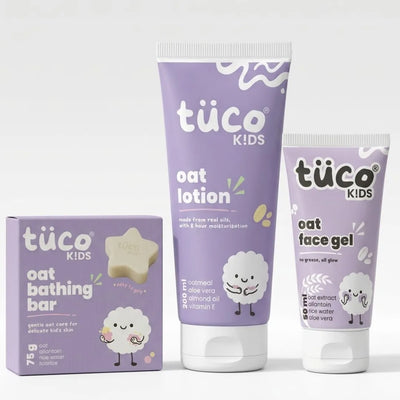
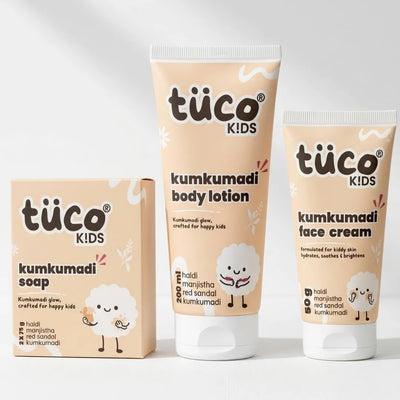
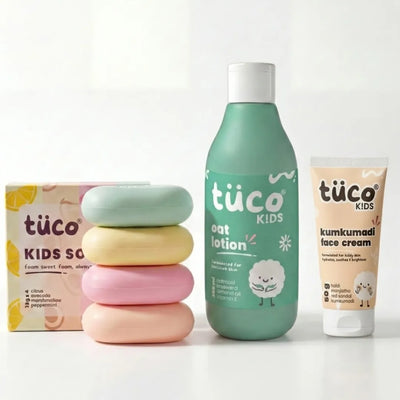
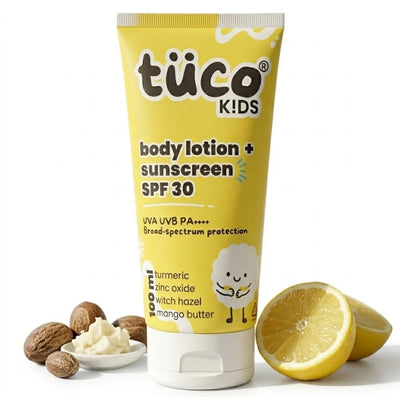
Tuco Kids tip: While you pick a dedicated lip balm, a rich body lotion applied gently around the lip area supports the surrounding skin through winter.
Shop The Nothing Lip Balm →

Contents
- Quick Comparison: What to Look for in a Kids' Lip Balm
- Why Winter Lip Care Matters for Kids
- Ingredients: What Helps and What to Avoid
- Using It Right: A Routine That Actually Works
- Choosing by Age
- When to See a Doctor
- FAQs
- Related Reads
Quick Comparison: What to Look for in a Kids' Lip Balm
| Criteria | Why It Matters | Tuco Kids Recommendation |
|---|---|---|
| Fragrance-free formula | Fragrance is one of the most common lip irritants for kids | See our lip care guide for full picks |
| Ingestion-safe ingredients | Kids frequently lick or swallow small amounts of lip product | Look for food-grade waxes and oils only |
| No menthol or camphor | Common in adult balms, can sting and irritate young lip skin | Choose products labeled specifically for children |
| Rich, occlusive base | Locks in moisture on skin with no natural oil glands of its own | Deep Moisture Body Lotion for surrounding skin |
Why Winter Lip Care Matters for Kids
Lip skin has no oil glands, which is the real reason it's far more prone to drying out than skin anywhere else on the body — there's simply no built-in layer of natural oil slowing down water loss the way there is on cheeks or arms. Cold, dry winter air combined with frequent lip licking creates a cycle that's hard to break without a protective product, since licking feels soothing but evaporating saliva actually pulls moisture away rather than adding it. Kids often can't or won't remember to reapply on their own, so a simple, easy-to-use lip balm builds a habit that sticks — left untreated, chapped lips can crack and become genuinely painful, especially during meals.
Ingredients: What Helps and What to Avoid
Look for beeswax or plant-based waxes, shea butter, coconut oil, and food-grade, ingestion-safe formulations overall. Avoid menthol, camphor, salicylic acid, synthetic fragrance, and any ingredient not considered safe if accidentally swallowed — and be mindful that "healing" balms marketed for their cooling, tingling sensation are often signaling mild irritation rather than actual relief, which can make chapping worse over time. Flavored lip balms marketed to kids can sometimes encourage more licking rather than less, so unflavored or very mild options are often the better choice. Always check the full ingredient list rather than relying on marketing terms like "natural" or "gentle" alone.
Read Our Lip Care Guide →
Using It Right: A Routine That Actually Works
A good lip balm for chapped lips works best applied proactively, before dryness sets in, rather than only once cracking appears — by the time lips are visibly cracked, you're treating damage instead of preventing it. Build application into moments that already happen every day: as part of the morning routine before school, right before heading into cold or windy conditions, after a quick wipe following meals to remove food residue that traps moisture unevenly, and once more at bedtime so the balm has hours to work overnight. Apply a generous layer rather than a light swipe, since a thin layer evaporates quickly in cold, windy conditions, and avoid picking at flaking skin, which worsens irritation and slows healing.
If a consistent routine still isn't resolving chapped lips treatment attempts after a week or two, it's worth checking the ingredient list again — a tingling sensation on application is a common sign of a mild irritant like menthol or camphor rather than a sign the product is working.
Choosing by Age
For babies and very young toddlers, stick with the simplest, most ingestion-safe formulas, applied with a clean fingertip rather than a stick applicator, ideally recommended or approved by your pediatrician. Older toddlers and preschoolers do well with a basic, fragrance-free stick or pot balm they can help apply themselves, though expect to reapply often since kids this age rarely remember on their own. School-age kids can typically carry and apply their own balm, which makes a portable, unscented stick the most practical format — a good moment to also mention that sharing a balm between siblings is worth avoiding for hygiene reasons, especially if one child has any active irritation.
When to See a Doctor
Most chapped lips respond well to a consistent lip balm routine within a few days to a week. See a doctor if lips crack deeply enough to bleed or show signs of infection, chapping persists despite 1–2 weeks of consistent care, your child seems to be in pain especially while eating, or you notice swelling or unusual redness beyond typical dryness.
FAQs
What's the best lip balm for winter for kids?
Look for a fragrance-free, ingestion-safe formula with beeswax, shea butter, or coconut oil, and avoid menthol, camphor, or strong flavoring.
How often should kids use lip balm in winter?
Several times a day works best — morning, before outdoor play, after meals, and at bedtime — rather than only when lips already look chapped.
Is flavored lip balm bad for kids?
Flavored balms can sometimes encourage more lip licking, which actually worsens dryness, so unflavored or very mild options are often a better choice.
What ingredients should I avoid in a kids' lip balm for chapped lips?
Avoid menthol, camphor, salicylic acid, synthetic fragrance, and anything not considered safe if accidentally swallowed.
Does Tuco Kids sell a lip balm?
Not currently as a standalone product — this guide focuses on what to look for when choosing one, alongside Tuco's body lotion for the surrounding skin.
How long does it take for a lip balm to heal chapped lips?
With consistent use several times a day, most mild chapping improves noticeably within a few days.
When should I see a doctor if chapped lips treatment isn't working?
See a doctor if lips crack deeply enough to bleed, chapping persists past 1–2 weeks, or your child seems to be in pain while eating.
Should I be concerned if my child's lip balm makes their lips tingle?
A tingling sensation often signals a mild irritant, such as menthol or camphor — switch to a gentler, fragrance-free formula if this happens.
Related Reads
- Lip Balm for Kids: Gentle Lip Care Tips for Young Skin
- Best Body Wash for Kids in India: 6 Gentle Picks That Make Bath Time Easier
- The Power of Turmeric: An Ancient Remedy for Kids' Skin Issues
- 10 Best Moisturizing Soaps in India for Dry Skin
- Best Kids Soap in India: Gentle, Safe, and Effective Options for Kids