



Best Baby Lotion for Winter in 2026
Choosing the right baby lotion for winter can feel overwhelming with so many formulas on the shelf. This guide breaks down exactly what to look for so your baby's skin stays soft and comfortable all season — lips included, since they're often the last thing parents think to protect.
Tuco Kids tip: A rich, shea-butter-based lotion is the single most effective product for protecting baby skin through cold, dry months.
Shop Deep Moisture Body Lotion →

Contents
- Quick Comparison: Best Tuco Winter Products for Baby
- What to Look for in a Baby Lotion for Winter
- Don't Forget the Lips
- Building a Simple Winter Routine
- Choosing by Age
- When to See a Doctor
- FAQs
- Related Reads
Quick Comparison: Best Tuco Winter Products for Baby
| Ingredients | Tuco Product Solution | Key Product Features | Age-wise Recommendation |
|---|---|---|---|
| Shea butter, almond oil, aloe vera | Deep Moisture Body Lotion | The richest formula in the range — built for the driest winter skin | 3–15 years |
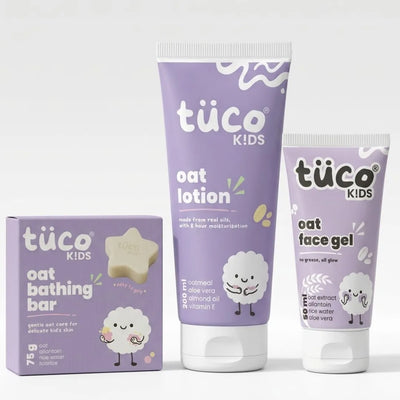
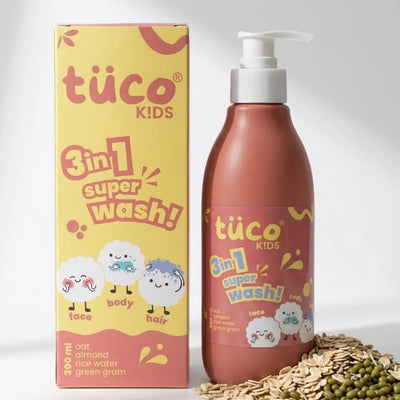
| Oat extract, aloe vera | 3-in-1 Oat Kit | Gentle, barrier-repair lotion suited to younger, more reactive skin | 2–15 years, best for toddlers |
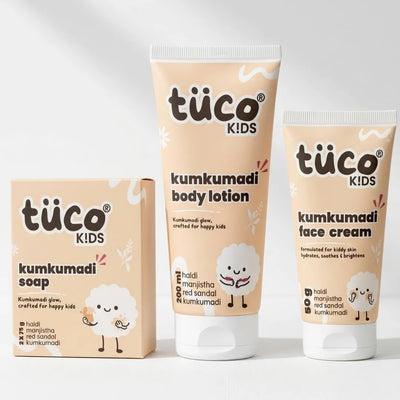
| Turmeric, Kakadu Plum, almond oil | 3-in-1 Bath Kit | Complete daily soap, lotion & face cream routine | 3–15 years |
What to Look for in a Baby Lotion for Winter
Rich, occlusive ingredients like shea butter and almond oil form a protective layer that holds moisture in through cold, dry conditions — this matters more for babies than older kids, since infant skin is thinner and loses moisture faster at every stage of development. Fragrance-free or fragrance-light formulas matter too, since baby skin is especially sensitive to added scent, a common and often overlooked source of irritation. A good winter lotion should absorb quickly and feel comfortable rather than greasy, so babies aren't bothered during application, and it's always worth checking that a lotion's labeled age range actually covers your baby specifically before buying.
Don't Forget the Lips
A best lip balm for dry lips should always be fragrance-free and ingestion-safe, since babies inevitably lick or mouth anything applied near their mouth. Lip skin dries out faster than skin elsewhere on the body because it lacks its own oil glands — the same protective layer of natural sebum that helps cheeks and arms hold onto moisture simply isn't there on the lips. Apply a gentle barrier to lips before outdoor time and after feedings to prevent chapping before it starts, and keep any lip product simple: avoid menthol, camphor, or strong flavoring, all of which can irritate delicate baby lips.

Building a Simple Winter Routine
Apply lotion within about three minutes of drying off from a bath, while skin is still slightly damp, to lock in the most moisture — this timing detail matters more than almost anything else in the routine. A second, lighter application midday helps on especially cold or dry days, and a protective layer on exposed hands, cheeks, and lips before outdoor time helps prevent chapping caused by wind and cold. A final application before bedtime supports overnight recovery, especially in heated rooms, where the air dries out skin steadily through the night.
A few habits quietly undermine an otherwise good routine: applying lotion to fully dry skin, well after bath time, is far less effective than applying it while skin is still damp, and most parents use less product than they think — especially on larger surface areas like arms and legs. Using an adult lotion on a baby is worth avoiding too, since adult formulas can be too heavy or contain ingredients not suited to delicate baby skin. Consistency matters more than any of this individually: a rich lotion used only occasionally won't outperform a lighter one used every single day.
Choosing by Age
Newborns from birth to about three months do best with a minimal, fragrance-free, gentle lotion applied once or twice daily. As babies become more mobile and exposed to varied conditions between three and twelve months, a slightly richer formula can help. Toddlers between one and three years often notice winter dryness the most, since they're outdoors more and washing hands frequently — this is usually when richer, shea-butter-based lotions get introduced for more intensive protection. For any age with visible sensitivity, a small patch test on an inconspicuous area first is a sensible precaution before applying a new formula more broadly.
When to See a Doctor
Most winter dryness in babies responds well to a consistent lotion routine within 1–2 weeks. See a doctor if skin looks cracked, bleeding, or shows signs of infection, if dryness comes with significant redness, swelling, or visible discomfort, or if a consistent routine for 2–3 weeks hasn't led to improvement — that pattern can sometimes point to eczema rather than simple seasonal dryness.
FAQs
What's the best baby lotion for winter?
A rich, fragrance-light formula with shea butter and almond oil provides strong, long-lasting protection against cold, dry winter conditions.
How often should I apply baby lotion in winter?
Twice daily is generally ideal — right after bathing while skin is still damp, and again midday or before bedtime on especially dry days.
What's the best lip balm for dry lips on a baby?
Look for a fragrance-free, ingestion-safe formula without menthol or camphor, since babies frequently mouth anything applied near their lips.
Can I use the same lotion for my baby's face and body?
A lighter formula is generally better for the face, while a richer lotion works well for the body — check the product's intended use before applying broadly.
Why does my baby's skin get worse in winter even indoors?
Indoor heating significantly lowers humidity, which draws moisture from skin much like cold outdoor air does.
Is oat-based lotion better for a baby with sensitive skin?
Yes, oat extract is known for calming reactive skin, making it a gentle choice for babies and toddlers with more sensitive skin types.
When should I see a doctor about my baby's winter dry skin?
See a doctor if skin looks cracked or infected, redness is significant, or a consistent routine doesn't help after 2–3 weeks.
Related Reads
- Lip Balm for Kids: Gentle Lip Care Tips for Young Skin
- Best Body Wash for Kids in India: 6 Gentle Picks That Make Bath Time Easier
- The Power of Turmeric: An Ancient Remedy for Kids' Skin Issues
- 10 Best Moisturizing Soaps in India for Dry Skin
- Best Kids Soap in India: Gentle, Safe, and Effective Options for Kids