



Wintergreen Oil for Kids: Uses, Benefits, and Critical Safety Warnings
Your 12-year-old son comes home from cricket practice complaining about sore muscles. You remember seeing wintergreen oil mentioned in a natural remedies group—"Great for muscle pain!" someone posted. The minty smell seems refreshing, and it's natural, so it should be safe for children, right? You're about to apply some to his legs when you pause. Is wintergreen oil actually safe for kids? How much should you use? You've heard conflicting information—some say it's wonderful, others warn it's dangerous. The bottle doesn't have clear instructions for children. You're uncertain and concerned.
Derived from the leaves of the Gaultheria procumbens plant, Wintergreen oil, also known as Wintergreen Essential Oil (Wintergreen EO) or Gaultheria oil, is a botanical treasure celebrated for its cooling properties and invigorating aroma. Wintergreen oil is sometimes referred to as Gandhpura oil, highlighting its traditional use in Ayurveda.
But here's what every parent MUST understand: Wintergreen oil is one of the most potentially dangerous essential oils, especially for children. Despite its natural origins and pleasant minty scent, wintergreen oil contains an extremely high concentration of methyl salicylate—a compound chemically similar to aspirin that can cause serious toxicity if misused. For children's thinner, more permeable skin and smaller body mass, the risks are amplified dramatically.
This critical safety guide explains what wintergreen oil is, why it's particularly hazardous for children, the severe risks of misuse, when (if ever) it might be appropriate, and the much safer alternatives parents should choose instead—because understanding these dangers could literally save your child's life.
Understanding Wintergreen Oil: Powerful But Dangerous
What you're actually dealing with:
Botanical Identity and Origin
Scientific name: Gaultheria procumbens
Common names:
- Wintergreen
- Wintergreen oil
- Gaultheria oil
- Gandhpura oil (Ayurvedic)
- Checkerberry
- Teaberry
- Mountain tea
Source: Leaves of wintergreen plant, native to North America
Traditional use:
- Wintergreen has a historical presence in Native American traditional medicine. Tribes like the Cherokee and Cree historically used the leaves for various health benefits, including addressing respiratory concerns and providing relief from discomfort.
- Modern Ayurvedic practices (Gandhpura oil)
- Folk medicine for pain, inflammation
Chemical Composition: The Danger
The critical component:
Methyl salicylate: 98-99% of wintergreen oil composition
What is methyl salicylate?:
- Organic ester chemically similar to aspirin (acetylsalicylic acid)
- Absorbed rapidly through skin
- Metabolized to salicylic acid in body
- TOXIC in relatively small amounts, especially to children
The math that matters:
- 1 teaspoon (5ml) of pure wintergreen oil = approximately 7,000mg of methyl salicylate
- Compare to: 1 adult aspirin tablet = 325mg
- 1 teaspoon wintergreen oil = equivalent to 21+ aspirin tablets
- For children: Much smaller amounts can be toxic
This extreme potency is why wintergreen oil is particularly dangerous—it looks harmless, smells pleasant, but contains aspirin-equivalent compound in massive concentration.
How Wintergreen Oil Works
The mechanism:
Methyl Salicylate Content: Wintergreen oil contains a high concentration of methyl salicylate, a compound akin to aspirin. This makes the oil effective for pain relief but also necessitates extreme caution, especially for children.
Therapeutic effects (when used safely in adults):
- Analgesic (pain relief)
- Anti-inflammatory (reduces swelling)
- Cooling sensation (counterirritant—distracts from deeper pain)
- Antimicrobial (minor)
Toxic effects (when misused or overdosed):
- Salicylate poisoning (aspirin toxicity)
- Can be life-threatening
- Children particularly vulnerable
Critical Safety Warning: Why Wintergreen Oil Is Dangerous for Children
The risks parents must understand:
1. Extreme Toxicity Risk
Ingestion danger:
Avoid Ingestion: Ingesting Wintergreen oil can be dangerous due to its high methyl salicylate content. Ingested in large quantities, methyl salicylate can lead to aspirin-like toxicity, causing symptoms such as nausea, vomiting, dizziness, and, in severe cases, respiratory and neurological issues. Wintergreen oil should never be ingested without professional guidance.
For children specifically:
- MUCH smaller doses toxic than for adults
- As little as 4ml (less than 1 teaspoon) can be FATAL to small child
- Sweet, minty smell attractive to children
- Accidental ingestion a real risk
Symptoms of salicylate poisoning:
- Nausea, vomiting
- Rapid breathing (hyperventilation)
- Ringing in ears (tinnitus)
- Confusion, agitation
- Seizures
- Coma
- Death (in severe cases)
EMERGENCY: If child ingests wintergreen oil, call poison control and seek immediate medical attention. DO NOT induce vomiting.
2. Skin Absorption Toxicity
Topical application risks:
Skin Sensitivity: Wintergreen oil is potent, and undiluted application can cause skin irritation, redness, or a burning sensation.
But beyond irritation:
- Methyl salicylate absorbs readily through skin
- Children's skin thinner, more permeable (absorbs MORE)
- Even topical overuse can cause systemic toxicity
- Large area application or repeated application = increased absorption = toxicity risk
Cases of toxicity from topical use:
- Documented cases of salicylate poisoning from excessive topical wintergreen application
- Particularly dangerous if applied to large areas
- Under occlusion (covered with bandage/plastic) = increased absorption
For children: Risk dramatically higher due to:
- Thinner skin (more absorption)
- Smaller body weight (same dose = higher concentration)
- Less developed detoxification systems
3. Aspirin Sensitivity Connection
Aspirin Sensitivity: Individuals with known sensitivity to aspirin should exercise caution when using Wintergreen oil. Methyl salicylate, present in high concentrations in Wintergreen oil, shares similarities with aspirin and may lead to adverse reactions in susceptible individuals.
For children specifically:
- Children with aspirin allergies: NEVER use wintergreen oil
- Reye's syndrome risk (rare but serious condition linked to aspirin use in children with viral infections)
- Cross-reactivity possible
4. Medication Interactions
Interaction with Medications: Wintergreen oil may interact with certain medications, particularly those that affect blood clotting.
Dangerous combinations:
- Blood thinners (warfarin, aspirin)
- NSAIDs (ibuprofen, naproxen)
- Corticosteroids
- Diabetes medications
For children on ANY medication: Consult doctor before any wintergreen oil exposure.
5. Age-Related Contraindications
Children under 12: Generally NOT recommended at all Children 12-18: Only with extreme caution, proper dilution, limited use, medical approval Pregnant/nursing individuals: Avoid completely
Wintergreen Oil Uses & Benefits (With Critical Safety Context)
When it might be appropriate (for adults, with caution):
1. Muscle and Joint Relief
Wintergreen oil shines as a natural remedy for relieving muscular and joint discomfort. Its analgesic properties, attributed to methyl salicylate, provide a soothing and cooling sensation when applied topically, making it a popular choice in massage oils and balms.
For ADULTS:
- Properly diluted (1-2% maximum)
- Small areas only
- Not for children
For CHILDREN: NOT RECOMMENDED - safer alternatives exist (menthol-based products, arnica, gentle massage with safe oils).
2. Aromatherapy Elevation
Renowned for its minty-fresh aroma, Wintergreen oil, often referred to as Wintermint oil, adds a refreshing dimension to aromatherapy. Diffusing this essential oil creates an uplifting ambiance, fostering mental clarity and revitalization.
For children: Even diffusion requires caution
- Potential respiratory irritation
- Methyl salicylate vapors can be absorbed
- NEVER diffuse in small enclosed spaces with children
- MUCH safer alternatives (peppermint, eucalyptus—though even these with caution in young children)
3. Skincare Applications
With its antimicrobial properties, Wintergreen oil can be a beneficial addition to skincare routines. Incorporating a few drops into skincare formulations may offer a refreshing twist, contributing to a clearer and invigorated complexion.
For children: AVOID
- Too potent for children's skin
- Absorption toxicity risk
- Irritation likely
- Safer antimicrobial options available
What Parents Should NEVER Do With Wintergreen Oil
Absolute prohibitions:
1. Never Use Undiluted on Children
Undiluted Wintergreen oil can be harsh on the skin and may cause irritation. It is paramount to dilute the oil properly with a suitable carrier oil before topical application.
For children: Even properly diluted, still generally not recommended—but NEVER undiluted.
2. Never Apply to Large Areas
Even if diluted: Large area application on children increases absorption = toxicity risk.
Never apply wintergreen oil to:
- Entire back or chest
- Multiple limbs
- Any area larger than palm-size
3. Never Use on Broken Skin, Rashes, or Wounds
Increased absorption through compromised skin barrier = higher toxicity risk.
4. Never Allow Ingestion
Keep wintergreen oil locked away from children like you would medications.
If ingestion occurs: Immediate emergency medical attention—call poison control, go to ER.
5. Never Use During Illness
Viral infections + aspirin-like compounds = Reye's syndrome risk (rare but potentially fatal).
6. Never Use Without Patch Testing (If Using at All)
Even for older children (12+), if considering (under medical supervision):
- Patch test on small area
- Wait 24-48 hours
- Check for any reaction
- Even if patch test clear, still use extreme caution
Safer Alternatives for Children
What to use instead:
For Muscle Soreness/Growing Pains
Instead of wintergreen oil:
Gentle massage with safe carrier oils:
- Coconut oil (pure, simple)
- Almond oil (light, nourishing)
- Jojoba oil (gentle, absorbs well)
- NO added wintergreen oil
Menthol-based products (properly formulated for children):
- Lower concentrations
- Age-appropriate formulations
- Less toxic than wintergreen
Arnica (topical):
- Traditional remedy for bruises, muscle soreness
- Generally safer than wintergreen
- Still dilute appropriately
Warm compresses:
- Simple, safe, effective
- Increases circulation
- Relieves tension
Epsom salt baths:
- Magnesium sulfate (not essential oil)
- Relaxing, soothing
- Safe for children
For Aromatherapy/Refreshing Scent
Instead of wintergreen oil:
Peppermint oil (with caution, proper dilution):
- Similar minty scent
- Less toxic than wintergreen
- Still requires care with young children
Eucalyptus (appropriate species, diluted):
- Refreshing, clarifying
- Respiratory support
- Age-appropriate usage
Citrus oils (sweet orange, lemon):
- Uplifting, cheerful
- Generally safer profile
- Pleasant for children
Lavender:
- Calming, soothing
- Well-tolerated
- Appropriate for children
For Skincare
Instead of wintergreen oil antimicrobial properties:
Tea tree oil (properly diluted):
- Antimicrobial
- Better safety profile than wintergreen
- Still requires dilution
Gentle cleansers formulated for children:
Products designed for children's skin:
- Age-appropriate formulations
- Tested safety
- Effective without risks
If Wintergreen Oil MUST Be Used (Extreme Caution, Medical Supervision)
Only for children 12+ years, with doctor approval:
Proper Dilution (Critical)
Due to its potency, Wintergreen oil requires careful dilution to avoid adverse reactions. A general rule of thumb is to dilute it to 1-2% before topical application, ensuring a balance between efficacy and safety.
For children 12+ (if doctor approves):
- 0.5-1% dilution MAXIMUM (even lower than adult recommendation)
- Math: 1 drop wintergreen oil in 2-3 tablespoons (30-45ml) carrier oil = approximately 0.5-0.7%
NEVER exceed 1% for children.
Application Guidelines
For targeted pain relief, mix Wintergreen oil with a carrier oil and apply it topically to sore muscles or joints. This method ensures a gradual release of the oil's soothing properties, offering sustained comfort.
If using (with medical approval, children 12+):
- Small area only (size of palm maximum)
- Once daily maximum
- Not for extended periods (few days only)
- Discontinue if any irritation
- Never use if child has cold, flu, any viral illness (Reye's syndrome risk)
Monitoring for Toxicity
Watch for symptoms:
- Nausea
- Vomiting
- Rapid breathing
- Dizziness
- Confusion
- Ringing in ears
If ANY of these occur: Stop use immediately, seek medical attention.
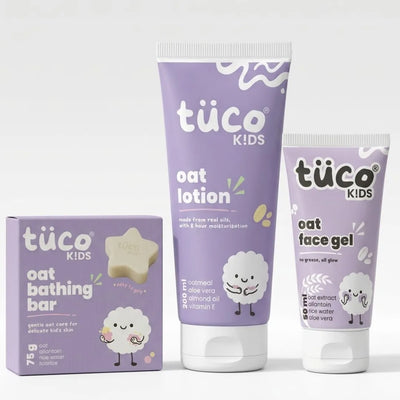
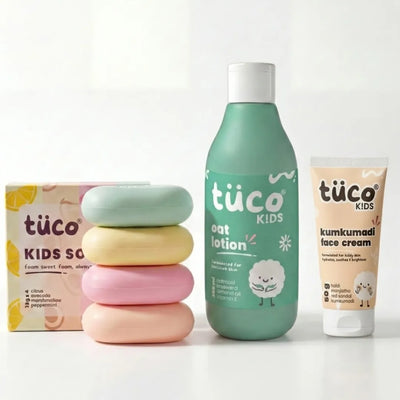
Complete Safe Hair and Body Care for Children
Quality formulated products instead of risky essential oils:
For Hair Health
- Shampoo, conditioner, hair oil, detangler
- May contain safe beneficial botanicals
- Age-appropriate formulations
- NO dangerous essential oils like wintergreen
Benefits:
- Tested safety
- Effective
- Convenient
- Child-friendly
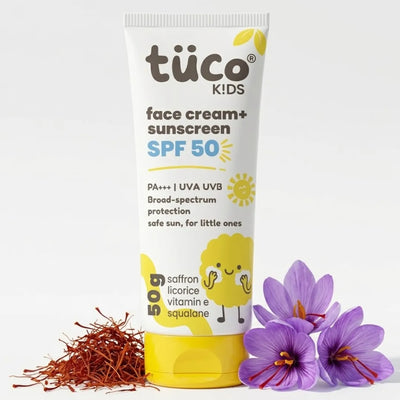
For Skin Health
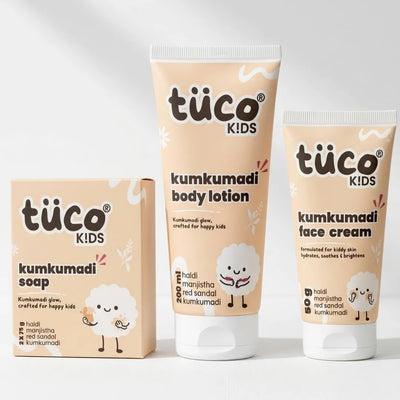
- Kumkumadi Face Cream + Dull Skin Face Wash
- Traditional Ayurvedic ingredients
- SAFELY formulated
- Appropriate concentrations
- Complete facial care
- Gentle, effective
- No risky essential oils
For General Body Care
- Gentle cleansing
- Moisturizing
- Safe for children
These formulated products provide the care children need without the serious risks of potent essential oils like wintergreen.
FAQs on Wintergreen Oil and Children
Can Wintergreen Oil be applied directly to children's skin?
No, Wintergreen oil should not be applied directly to the skin in its undiluted form. It is recommended to dilute it with a carrier oil before topical application to prevent skin irritation.
For children: Even diluted, generally NOT recommended. If ever used (12+ years, medical supervision only), must be heavily diluted (0.5-1% maximum).
Can Wintergreen Oil be used during pregnancy?
Pregnant individuals should exercise caution and consult with a healthcare professional before using Wintergreen oil due to its methyl salicylate content. Individual responses may vary, and professional advice ensures safety.
For children of pregnant mothers: Also avoid—exposure risk.
Is Wintergreen Oil safe for aromatherapy with children?
Wintergreen oil is a popular choice for aromatherapy in adults, but for children: Use extreme caution or avoid entirely.
Risks:
- Methyl salicylate vapors absorbed
- Respiratory irritation possible
- Safer alternatives available (mild peppermint, citrus, lavender)
What should I do if my child ingests Wintergreen Oil?
EMERGENCY:
- Call Poison Control immediately (1800-222-1222 in US, local emergency number in India)
- Seek emergency medical attention
- Do NOT induce vomiting
- Bring the bottle to hospital
Even small amounts can be dangerous—treat as serious emergency.
Are there age restrictions for using Wintergreen Oil?
Under 12 years: Generally avoid completely 12-18 years: Only with medical supervision, extreme caution, proper dilution Adults: Can use with proper precautions
Can I use Wintergreen Oil if my child has aspirin allergy?
Absolutely NOT. Methyl salicylate chemically similar to aspirin—high cross-reactivity risk.
What are safer alternatives to Wintergreen Oil for children?
For muscle soreness:
- Gentle massage with safe carrier oils
- Warm compresses
- Epsom salt baths
- Properly formulated menthol products (age-appropriate)
For aromatherapy:
- Mild peppermint (diluted, with caution)
- Citrus oils
- Lavender
For skincare:
- Formulated products designed for children
- Gentle cleansers and moisturizers
How much Wintergreen Oil is toxic to children?
Very small amounts potentially toxic:
- As little as 4ml (less than 1 teaspoon) can be FATAL to small child through ingestion
- Even topical overuse can cause toxicity
- No safe minimum established for children
When in doubt: Don't use it.
The Bottom Line
Wintergreen oil for children: The risks far outweigh any potential benefits.
Key Takeaways
Wintergreen oil is dangerous for children because: ⚠️ 98-99% methyl salicylate (aspirin-equivalent) ⚠️ 1 teaspoon = 21+ aspirin tablets ⚠️ Toxic in very small amounts to children ⚠️ Absorbed through skin AND inhaled ⚠️ Can cause life-threatening salicylate poisoning ⚠️ Reye's syndrome risk (if child has viral infection)
Never use wintergreen oil on children for: ✗ Muscle soreness ✗ Aromatherapy ✗ Skincare ✗ Any purpose without medical supervision
Safer alternatives exist: ✓ Gentle massage with safe carrier oils ✓ Warm compresses, Epsom salt baths ✓ Formulated products designed for children ✓ Ultimate Hair Care Kit ✓ Skin care products for kids
If considering use (children 12+, medical supervision): ✓ Doctor approval required ✓ Extreme dilution (0.5-1% maximum) ✓ Small area only ✓ Monitor closely for toxicity symptoms ✓ Never during illness
The Critical Message
"Natural" does NOT mean "safe." Wintergreen oil is a prime example—completely natural, traditionally used, pleasant-smelling, but potentially DEADLY to children when misused.
The math is simple:
- High concentration of toxic compound
- Children's small body weight
- Thin, permeable skin
- = Serious danger
What seems like a harmless home remedy for your child's sore muscles from sports could result in a medical emergency requiring hospitalization—or worse.
Don't risk it. Use the many safe, effective alternatives available. If your child needs pain relief, consult their pediatrician for appropriate options.
Save wintergreen oil for what it is: A potent compound requiring extreme caution, not appropriate for children, regardless of how appealingly it's marketed in natural health communities.
Your child's safety is worth more than any potential benefit this risky essential oil might offer.
Related Resources:
- 10 Best Moisturizing Soaps In India For Dry Skin
- Best Soap And Face Washes For Pre-Teens And Teenagers
- Best Kids Soap In India: Gentle, Safe And Effective
WARNING: If your child has ingested wintergreen oil or is showing symptoms of salicylate poisoning (nausea, vomiting, rapid breathing, confusion), seek emergency medical attention immediately. Call your local poison control center or emergency services.