




Winter Skin Rashes in Kids: Causes, Types, and Effective Soothing Solutions
It's December, and your 5-year-old won't stop scratching. Red, angry patches have appeared on the inner sides of her elbows overnight. By morning, the skin looks raw from scratching during sleep. You apply your usual lotion, but it doesn't help—in fact, she cries that it stings. The rash spreads to behind her knees by evening. Is this eczema? An allergic reaction? Windburn from yesterday's playground visit? Should you see a doctor immediately, or can you treat it at home? And most urgently—how do you stop the incessant itching that's keeping your whole family awake?
Red, itchy, irritated patches appearing on your child's skin during winter can be alarming. For parents, watching children suffer with uncomfortable skin issues feels helpless—especially when typical remedies don't work or even worsen the problem.
Winter skin rashes in kids are extremely common as cold weather, dry air, and indoor heating trigger various inflammatory skin conditions. The statistics are striking: Pediatric dermatology clinics report 40-60% increase in appointments during winter months, with the majority related to rash flare-ups. Your child isn't alone—millions of children experience these seasonal skin challenges.
Understanding what causes these rashes and knowing effective soothing solutions helps parents provide quick relief and prevent future flare-ups. This comprehensive guide explains common winter skin rashes in children, identifying triggers, immediate relief strategies, long-term treatment approaches, and when professional medical care is necessary—because informed parents can act quickly and effectively.
Common Types of Winter Skin Rashes
Identifying what you're dealing with:
1. Eczema Flare-Ups (Atopic Dermatitis)
The most common winter rash:
Eczema, or atopic dermatitis, worsens dramatically during winter months. Children with eczema-prone skin experience severe flare-ups as dry air and harsh conditions compromise their already weak skin barriers.
Appearance and location:
-
Red, inflamed patches appear typically on:
- Inner elbows
- Behind knees
- Wrists and ankles
- Face (especially cheeks in young children)
- Hands
- Texture changes: Dry, scaly, rough
- Color: Red to dark brown (depending on skin tone)
Symptoms and progression:
- These patches feel intensely itchy, leading to scratching that worsens inflammation
- The skin may weep clear fluid (when scratched open)
- Crust over (during healing)
- Become thick and leathery with repeated episodes (lichenification)
Impact on quality of life: Winter eczema affects sleep, concentration, and daily activities due to constant discomfort.
Why winter worsens eczema:
- Low humidity depletes skin moisture
- Compromised skin barrier (genetic weakness in eczema)
- Indoor heating further dries air
- Temperature fluctuations stress skin
- Increased exposure to irritants (wool clothing, hot baths)
2. Contact Dermatitis
Reaction to irritants or allergens:
Winter clothing introduces new irritants to children's skin.
Irritant contact dermatitis (most common):
- Caused by: Harsh substances directly damaging skin
- Wool sweaters, synthetic fabrics, and rough textures cause contact dermatitis
- Laundry detergent residue
- Fabric softeners
- Tags, seams, rough textures
Allergic contact dermatitis (immune-mediated):
- Caused by: Allergic reaction to specific substance
- Wool lanolin (natural oil in wool)
- Nickel (in zippers, buttons)
- Dyes in clothing
- Latex (in elastic bands)
Appearance and location:
- These rashes appear as red, itchy patches matching clothing contact areas
- Geometric or linear patterns (following fabric seams)
- Well-defined edges (where material touches skin)
- The rash develops hours or days after exposure, making identification challenging for parents
Diagnostic clue: Rash location corresponds exactly to where irritating material contacted skin.
3. Heat Rash (Miliaria)
Surprisingly common in winter:
Heat rash can occur during winter when children are bundled in excessive layers. Parents often overdress children for cold weather, creating opposite problem—overheating.
How it develops: Overheating causes sweat to become trapped under clothing, creating small red bumps. Sweat ducts become blocked, sweat trapped under skin = rash.
Indoor heating combined with heavy outdoor clothing creates perfect conditions for heat rash.
Appearance and location:
- Small red bumps (sometimes with tiny blisters)
- Appears on areas covered by tight clothing: Chest, back, neck, armpits
- Clustered appearance
- May be itchy or prickly feeling
The good news: Heat rash improves quickly once overheating stops and proper ventilation occurs.
Prevention: Dress children in layers that can be removed; avoid excessive bundling.
4. Windburn Rash
Environmental damage:
Cold wind exposure damages the skin's protective barrier, creating red, inflamed, burning rashes on exposed areas.
Mechanism: Cold wind + low humidity = rapid moisture evaporation from skin surface.
Appearance and location:
- Faces, ears, hands, and neck develop this rash after outdoor winter activities
- Red, inflamed appearance
- The affected skin feels hot, tight, and painful despite cold exposure
- May peel as it heals
Windburn resembles sunburn but results from moisture loss rather than UV damage. The burning sensation comes from inflammation, not sun damage.
Important note: It often occurs alongside winter sunburn (UV rays reflect off snow, ice), compounding skin damage and discomfort.
5. Other Winter Rashes
Additional possibilities:
Keratosis pilaris ("chicken skin"):
- Small rough bumps (upper arms, thighs, cheeks)
- Worsens in dry winter conditions
- Not itchy typically, but cosmetically concerning
Seborrheic dermatitis:
- Yellowish, greasy scales (scalp, eyebrows, behind ears)
- Can worsen in winter
Nummular eczema:
- Coin-shaped patches
- Very itchy
- Often triggered by dry skin
Understanding Rash Triggers
What causes winter rashes:
Environmental Triggers
The winter conditions affecting skin:
1. Dry indoor air from heating systems:
- Breaks down skin barriers
- Allows irritants and allergens to penetrate easily
- Accelerates water loss from skin
2. Rapid temperature changes:
- Between cold outdoors and warm indoors
- Stresses the skin's adaptation mechanisms
- Blood vessels constrict/dilate rapidly = inflammation
3. Cold wind:
- Strips protective oils from the skin
- Makes it more susceptible to rashes
- Physical damage to outer skin layer
4. Winter sun:
- UV reflection from snow
- Unexpected sun exposure
- Combined wind + sun = severe damage
Clothing and Fabric Triggers
What children wear matters:
1. Wool:
- Irritates sensitive skin (coarse fibers)
- Lanolin in wool can cause allergic reactions
- Direct skin contact most problematic
2. Synthetic fabrics:
- Trap moisture, creating irritation
- Don't breathe well
- Static electricity increases irritation
3. Tight clothing:
- Tight elastic bands on clothing
- Create friction zones where rashes commonly develop
- Waistbands, sock tops, sleeve cuffs
4. Laundry products:
- Residual laundry detergent can accumulate on winter clothing
- Increasing exposure to irritants
- Fabric softeners leave coating
- Fragrances common allergen
Bathing-Related Triggers
Daily hygiene practices affecting skin:
1. Hot water:
- Hot water during winter baths strips protective lipids from the skin
- Feels good momentarily, damages long-term
- Children's skin particularly vulnerable
2. Harsh cleansers:
- Harsh soaps and adult body washes remove natural oils
- Compromising skin defenses
- Antibacterial soaps especially harsh
3. Insufficient moisturizing:
- Insufficient moisturizing after bathing allows rapid moisture loss
- Creating conditions for rashes
- Critical 3-minute window after bathing
4. Frequency:
- Over-bathing strips oils
- But adequate cleansing needed
Related resource: Is Soap Necessary For Bathing Young Children Every Day
Immediate Rash Relief Strategies
Quick action for acute symptoms:
1. Cool Compress Application
First-line treatment for itching, inflammation:
How to apply:
- Apply cool, damp compresses to rashy areas for 10-15 minutes
- Use clean soft cloth soaked in cool water
- Wring out excess (damp, not dripping)
- Repeat several times daily during acute flare-ups
Why it works: Cool temperatures constrict blood vessels, reducing inflammation and itching.
Important: Avoid using ice directly on rashes (too cold = additional damage).
2. Soothing Gel Application
After cooling, targeted relief:
Application protocol:
- After cooling, apply a gentle soothing gel for children's irritated skin
- Pat skin dry gently first (don't rub)
- Apply thin layer to affected areas
- Reapply 3-4 times daily or whenever itching returns
Enhanced effectiveness: Keep gel refrigerated for extra cooling effect (additional soothing from cool temperature).
Product selection: Use fragrance-free, hypoallergenic formulas (avoid further irritation).
3. Anti-Itch Measures
Preventing damage from scratching:
Physical barriers:
- Keep fingernails trimmed short to prevent skin damage from scratching
- Use soft cotton gloves at night for young children (can't control nighttime scratching)
- Soft cotton pajamas (long sleeves reduce direct scratching)
Behavioral interventions:
- Distraction techniques (engage child in activity)
- Gentle pressure can reduce scratching (firm pat instead of scratch)
- Cold pack instead of scratching
Medical support: Consult a pediatrician for antihistamines if itching disrupts sleep or daily activities.
Why scratching dangerous:
- Breaks skin (infection risk)
- Worsens inflammation
- Triggers itch-scratch cycle
- Can cause permanent scarring
Long-Term Treatment Approach
Comprehensive care for prevention and healing:
1. Intensive Moisturizing Protocol
The foundation of winter skin health:
Frequency and application:
- Apply rich moisturizing lotion at least twice daily to all skin (not just affected areas)
- Morning and evening minimum
- For severe rashes, apply 4-5 times daily
Strategic focus: Focus extra attention on inner elbows, behind knees, wrists, and ankles (common eczema sites).
Timing matters: Apply moisturizer within three minutes after bathing for maximum hydration (skin most receptive when damp).
Product selection:
- Rich, thick formulations (creams/ointments better than lotions for severe dryness)
- Fragrance-free
- Hypoallergenic
- Ceramide-containing (repairs barrier)
Related products:
2. Gentle Cleansing Routine
Cleaning without damaging:
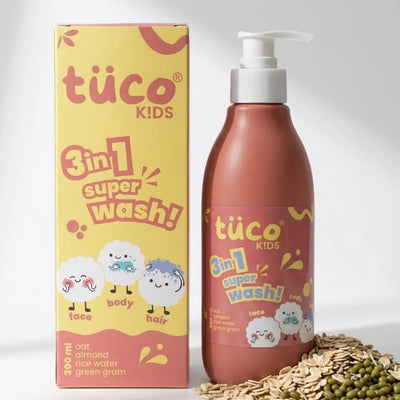
Product selection: Use soap formulated for sensitive or rash-prone skin (pH-balanced, gentle surfactants).
Application technique:
- Apply soap only to areas needing cleansing (armpits, diaper area, hands, feet)
- Most body areas require only water to remove dirt (arms, legs, back, chest)
Water temperature: Use lukewarm water and avoid hot water (despite how good hot water feels).
Bathing frequency:
- Young children: Every 2-3 days sufficient (unless visibly dirty)
- Older children: Daily acceptable if quick, gentle
- After sports/swimming: Always
Related guidance:
- Is Soap Necessary For Bathing Young Children Every Day
- Best Soap And Face Washes For Pre-Teens And Teenagers
3. Environmental Modifications
Optimizing indoor conditions:
Humidity control:
- Install humidifiers in rooms where children spend significant time (bedroom essential)
- Maintain indoor humidity between 40-50% (hygrometer measures this)
- Clean humidifiers regularly (prevent mold)
Temperature management:
- Lower thermostat slightly to prevent overly dry air (68-70°F comfortable, less drying than 72-75°F)
- Layer blankets instead of cranking heat
Laundry modifications:
- Use fragrance-free, hypoallergenic laundry detergents
- Double rinse winter items (removes residual detergent)
- Skip fabric softeners (coating irritates sensitive skin)
4. Clothing and Fabric Management
What touches skin matters:
Base layer strategy: Dress children in soft cotton or bamboo layers against skin (create barrier between skin and irritating outer layers).
Fit considerations: Avoid tight clothing during flare-ups (friction worsens rashes).
Washing protocol:
- Wash new winter clothing before first wear (removes manufacturing chemicals)
- Wash scarves, gloves, and hats weekly (accumulate dirt, oils, irritants)
Material choices:
- Soft natural fibers best (cotton, bamboo)
- Wool acceptable if worn over cotton layer
- Avoid rough synthetics directly on skin
5. Dietary Support for Skin Health
Internal support for external health:
Anti-inflammatory foods: Include anti-inflammatory foods such as salmon, walnuts, flaxseeds, chia seeds, berries, sweet potatoes, carrots, and leafy greens.
Why these help:
- Omega-3 fatty acids (salmon, walnuts, flaxseeds): Reduce inflammation
- Antioxidants (berries, colorful vegetables): Protect skin cells
- Vitamin A (sweet potatoes, carrots): Supports skin health
- Vitamin C (berries, leafy greens): Collagen production
Foods to moderate: Limit dairy, eggs, nuts, and highly processed foods if they worsen rashes (common eczema triggers for some children).
Sugar connection: Reduce sugar intake during flare-ups (increases inflammation).
Hydration: Ensure adequate water intake through warm drinks or soups (winter children often drink less).
Age-Specific Rash Management
Tailored approaches:
Babies and Toddlers (0-3 years)
Special considerations:
Product selection: Use products formulated specifically for babies (even gentler than "children's" products).
Diaper area care: Frequent diaper changes with protective barrier cream (diaper rash worsens with winter dryness).
Bathing approach: Bathe in brief lukewarm water baths and moisturize immediately (young skin most vulnerable).
Communication challenges: Can't verbalize discomfort—watch for scratching, fussiness, sleep disruption.
School-Age Children (4-12 years)
Involving children in care:
Education: Teach children to recognize early rash signs (redness, itching, dryness).
Independence building: Pack gentle moisturizer in school bags for hand reapplication (after washing hands, before outdoor recess).
Compliance strategies:
- Make routine fun (songs, timers, stickers)
- Age-appropriate explanations
- Choices within boundaries (which lotion scent?)
Teenagers (13-18 years)
Addressing unique needs:
Product appeal: Provide appealing products for consistent use (teens care about packaging, scent, texture).
Stress connection: Address stress factors contributing to flare-ups (exams, social pressure, hormonal changes).
Privacy and independence: Respect need for autonomy while ensuring compliance.
Complete Skincare Systems for Rash-Prone Skin
Coordinated care:
For Facial Rashes
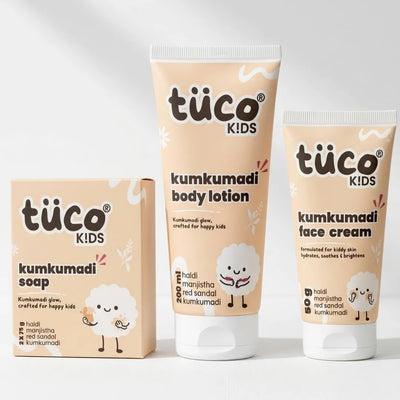
- Kumkumadi Face Cream + Dull Skin Face Wash
- Gentle formulation for sensitive facial skin
- Addresses uneven tone from healed rashes
- Complete facial care system
- Soothing, nourishing ingredients
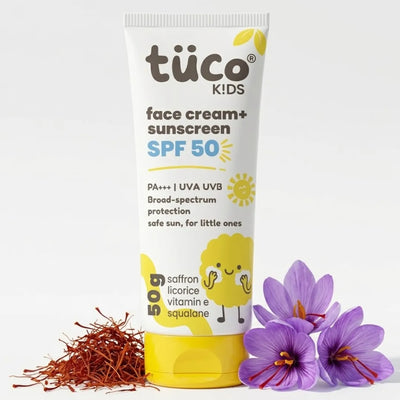
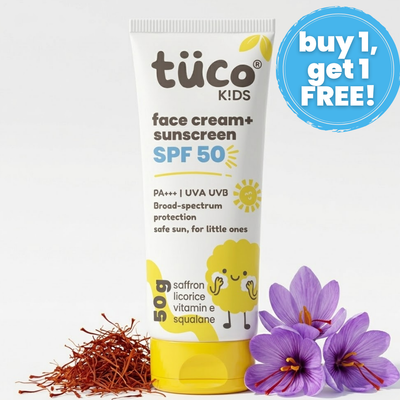
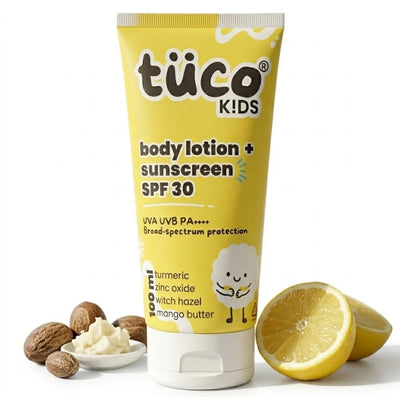
- Soap + Lotion + Sunscreen SPF 50 + Face Cleanser
- Comprehensive system
- Sun protection important (winter sun reflects off snow)
For Body Care
Gentle cleansing options:
- 10 Best Moisturizing Soaps In India For Dry Skin
- Best Soap And Face Washes For Pre-Teens And Teenagers
When to Seek Medical Attention
Recognizing serious situations:
Red Flag Symptoms
Consult your pediatrician if:
1. Persistence: Rashes persist despite two weeks of consistent care
- Proper treatment should show improvement within 7-10 days
- No improvement or worsening = medical evaluation
2. Infection signs: Show signs of infection:
- Increased redness, warmth
- Pus or yellow crusting
- Red streaks extending from rash
- Swelling
3. Systemic symptoms: Fever develops alongside skin symptoms
- May indicate bacterial infection
- Requires antibiotic treatment
4. Rapid spread: Rashes spread rapidly
- Suddenly appearing in new areas
- May indicate allergic reaction or other condition
5. Severe distress: Child experiences severe pain or sleep disruption
- Quality of life significantly affected
- May need prescription interventions
Conditions Requiring Prescription Treatment
These symptoms may indicate conditions requiring prescription treatments such as topical steroids, antibiotics, or systemic medications.
Prescription options:
- Topical corticosteroids: Reduce inflammation (varying strengths)
- Topical calcineurin inhibitors: Non-steroid anti-inflammatory
- Antibiotics: If infected (topical or oral)
- Antihistamines: Control itching
- Systemic medications: Severe cases
Prevention Strategies
Stopping rashes before they start:
Proactive Skin Protection
Year-round moisturizing: Start before winter—don't wait for problems.
Barrier cream: Apply before outdoor play (protects from wind).
Layering strategy: Cotton base layer always.
Gradual temperature transitions: Don't rush from cold to hot immediately.
Identifying Personal Triggers
Track patterns:
- When do rashes appear?
- What preceded flare-up?
- What helped/hurt?
Common individual triggers:
- Specific foods
- Particular fabrics
- Stress events
- Weather conditions
Building Resilience
Strong skin barrier:
- Year-round gentle care
- Adequate nutrition
- Stress management
- Good sleep
The Bottom Line
Winter rashes: Common, treatable, preventable.
Key Takeaways
Winter skin rashes in kids result from: ✗ Dry air (indoor heating, low outdoor humidity) ✗ Harsh weather (cold, wind, temperature fluctuations) ✗ Irritating fabrics (wool, synthetics, tight clothing) ✗ Compromised skin barriers (genetic, environmental)
Effective treatment combines: ✓ Immediate relief: Cool compresses, soothing gels ✓ Intensive moisturizing protocols (2-5x daily) ✓ Environmental modifications: Humidifiers (40-50% humidity) ✓ Careful clothing choices: Soft natural fabrics, cotton base layers ✓ Dietary support: Anti-inflammatory foods, adequate hydration
Expected timeline: Most winter rashes improve significantly within one week of consistent comprehensive care.
Products for support: ✓ Moisturizing soaps ✓ Gentle cleansers for sensitive skin ✓ Complete skincare systems
Medical attention needed if: ✓ No improvement after 2 weeks proper care ✓ Signs of infection ✓ Fever with rash ✓ Rapid spread ✓ Severe pain/sleep disruption
The Core Message
Your child's winter rash likely isn't serious—but it is uncomfortable and treatable. Most cases respond beautifully to proper care: gentle cleansing, intensive moisturizing, environmental humidity, appropriate clothing.
The transformation timeline:
- Days 1-3: Immediate relief measures stop worsening, reduce itching
- Week 1: Noticeable improvement, less scratching
- Week 2: Significant healing, much calmer skin
- Ongoing: Prevention strategies keep skin healthy all winter
Start today:
- Cool compress for immediate relief
- Intensive moisturizing (within 3 minutes after bath)
- Humidifier in bedroom
- Cotton clothing against skin
- Gentle, fragrance-free products
Within days, you'll see improvement. Within a week, your child sleeping better, scratching less, feeling comfortable.
Because winter rashes don't have to mean months of misery—proper understanding and care bring relief quickly, preventing those alarming red patches from disrupting your child's winter fun.
Related Resources: