




Winter Baby Clothing Guide: What to Dress Your Baby In for Cold Weather
Getting winter baby clothing right is about more than warmth alone — the wrong fabric or too many layers can create skin irritation and overheating just as easily as too little clothing leaves a baby genuinely cold.
Tuco Kids tip: Whatever you dress your baby in, a layer of rich lotion on any exposed skin adds real protection against wind and cold that clothing alone can't provide.
Shop Deep Moisture Body Lotion →

Contents
- Quick Comparison: Skin Care to Pair With Winter Clothing
- The Basics of Layering for Babies
- Choosing Fabrics That Don't Irritate Skin
- Avoiding Overheating Indoors
- Winter Baby Essentials Checklist
- Dressing for Travel and Outdoor Trips
- Blankets and Sensitive Skin at Bedtime
- How Clothing Choices Affect Skin
- Thermal Wear: A Common Cause of Irritation
- Quick Recap Checklist
- When to See a Doctor
- FAQs
- Related Reads
Quick Comparison: Skin Care to Pair With Winter Clothing
| Ingredients | Tuco Product Solution | Key Product Features | Age-wise Recommendation |
|---|---|---|---|
| Shea butter, almond oil, aloe vera | Deep Moisture Body Lotion | Protects exposed skin around collars, cuffs, and face from clothing friction and cold | 3–15 years |
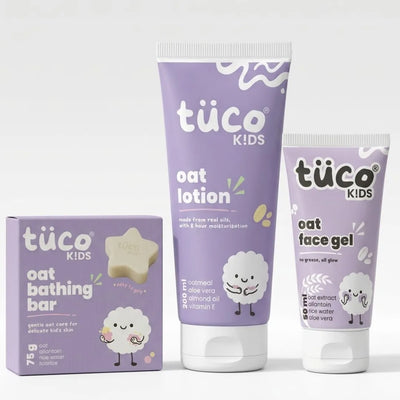
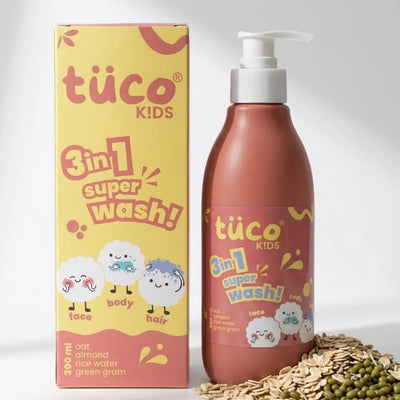
| Oat extract, aloe vera | 3-in-1 Oat Kit | Soothes skin already irritated by wool or synthetic fabric friction | 2–15 years, best for toddlers |
| Turmeric, Kakadu Plum, almond oil | 3-in-1 Bath Kit | Complete daily routine that keeps skin comfortable under layered clothing | 3–15 years |
Note: Tuco Kids is a skincare brand and doesn't sell clothing — the guidance below is general clothing advice paired with skin care that helps keep skin comfortable underneath whatever your baby wears.
The Basics of Layering for Babies
Layering, rather than one thick garment, is the most reliable approach to winter baby clothing, since it lets a caregiver adjust quickly as indoor and outdoor temperatures change through the day. A soft, breathable base layer against skin, a warm middle layer for insulation, and a wind-resistant outer layer for outdoor trips covers most winter conditions without over-committing to one fixed temperature assumption. The base layer matters most for skin comfort specifically, since it's in constant direct contact — a poor choice here causes irritation regardless of how good the outer layers are.
Choosing Fabrics That Don't Irritate Skin
Cotton is generally the safest base-layer fabric for babies, since it's breathable, soft, and rarely causes irritation even against sensitive skin. Wool provides excellent warmth but can feel scratchy directly against skin, making it far better suited to a middle or outer layer than a base layer. Synthetic fleece falls somewhere in between — usually comfortable for most babies, though it can occasionally cause static or mild irritation in babies with especially reactive skin, worth watching for during the first few wears of a new garment.
Avoiding Overheating Indoors
A genuinely common mistake is over-bundling a baby indoors, particularly near a heater, which can cause overheating and even heat rash despite the cold outdoor temperature. Layering that can be removed as a room warms up matters just as much as having enough warmth available for outdoor cold. Checking the back of a baby's neck for warmth — rather than judging by hands or feet, which naturally run cooler — gives a more reliable read on whether they're comfortably dressed rather than overheated.
Winter Baby Essentials Checklist
A practical baby winter essentials list doesn't need to be extensive: a few soft cotton base layers, one or two warm middle layers (a fleece or light wool sweater), a wind-resistant outer layer for outdoor trips, a soft cap since babies lose disproportionate heat through their heads, and mittens or socks that stay on reliably without restricting circulation. Beyond clothing, a gentle moisturizer for any exposed skin and a humidifier for a dry nursery round out a complete winter setup.
Dressing for Travel and Outdoor Trips
Traveling with a baby in winter, especially to genuinely cold destinations, calls for slightly more planning than a typical day at home. Winter baby travel goes more smoothly when you pack an extra full layer beyond what seems necessary, accounting for unexpected temperature drops, delays, or extended outdoor time. A car seat safety note worth remembering: bulky winter coats shouldn't be worn under car seat straps, since they compress in a crash and can leave straps dangerously loose — dressing in thinner layers with a blanket added over the straps after buckling is the safer approach for car travel specifically.
Blankets and Sensitive Skin at Bedtime
A good baby blanket sensitive skin can actually tolerate matters just as much overnight as daytime clothing does, since a baby spends many consecutive hours in direct contact with it. Soft, breathable cotton or muslin blankets are generally gentler against skin than heavier synthetic or wool options used directly against a baby, and washing new blankets before first use removes manufacturing residues that can occasionally irritate sensitive skin. Layering a lighter blanket with the option to add a second one, rather than a single very heavy blanket, allows easier adjustment through the night as room temperature shifts.
How Clothing Choices Affect Skin
Beyond warmth, clothing choices directly affect how comfortable a baby's skin feels through winter. Tight elastic at cuffs, collars, or waistbands can create friction points that worsen dryness or irritation already present from cold, dry air. Tags and rough seams, often overlooked, can cause persistent low-level irritation in exactly the spots they touch. Choosing soft, tagless, well-fitting (not overly tight) garments, and applying a protective layer of lotion to areas where clothing meets skin most directly — wrists, neck, ankles — reduces this friction-related discomfort considerably.
Thermal Wear: A Common Cause of Irritation
Thermal innerwear is genuinely useful for extra warmth in colder climates, but a thermal rash kids pattern is a common complaint parents don't always connect back to the garment itself. Many thermal fabrics are synthetic and less breathable than cotton, which can trap sweat against skin during active play or an overly warm indoor stretch, creating exactly the damp, friction-prone conditions that cause a rash. Choosing a soft, higher-quality thermal, sizing it to fit rather than stretch tightly, and removing it promptly once a baby is warm enough without it, all reduce this risk considerably.
Quick Recap Checklist
Layer with a soft cotton base, warmer middle layer, and wind-resistant outer layer for outdoor trips. Watch for overheating indoors by checking the back of the neck. Choose breathable, well-fitting thermal wear and remove it once it's no longer needed. Use soft, breathable blankets at bedtime, freshly washed before first use. And keep an eye on tags, seams, and tight elastic as common, overlooked sources of irritation.
When to See a Doctor
Most clothing-related skin irritation resolves quickly once the fabric or fit is adjusted. See a doctor if skin shows persistent redness, develops a rash that doesn't clear with a fabric change, cracks or bleeds, or if your baby seems consistently uncomfortable despite reasonable adjustments to clothing and skin care.
FAQs
What's the best way to layer winter baby clothing?
A soft cotton base layer, a warm middle layer, and a wind-resistant outer layer for outdoor trips covers most conditions and allows easy adjustment as temperatures change through the day.
Can thermal wear cause a rash?
Yes — many thermal fabrics are synthetic and less breathable, which can trap sweat against skin and cause a rash, especially if worn too tightly or for longer than needed indoors.
What kind of blanket is safest for sensitive baby skin?
Soft, breathable cotton or muslin generally suits sensitive skin better than heavier synthetic or wool options used directly against a baby overnight.
What should I pack for winter baby travel?
An extra full layer beyond what seems necessary, a soft cap, breathable base layers, and a car-seat-safe thinner coat with a blanket added after buckling for car travel specifically.
Is wool safe for babies to wear in winter?
Yes, but it's best used as a middle or outer layer rather than directly against skin, since it can feel scratchy and irritate sensitive skin worn as a base layer.
How can I tell if my baby is too warm indoors?
Check the back of the neck for warmth rather than hands or feet, which naturally run cooler — a warm, slightly damp neck usually signals overheating.
What should be on a winter baby essentials checklist?
Soft cotton base layers, a warm middle layer, a wind-resistant outer layer, a soft cap, mittens or socks, a gentle moisturizer, and a humidifier for dry indoor air.
Can clothing actually cause skin irritation in babies?
Yes — tight elastic, rough seams, and tags can all create friction points that worsen dryness or cause localized irritation, especially on skin already stressed by winter air.
Is it safe to dress a baby in a bulky coat in a car seat?
No — bulky coats compress in a crash and can leave car seat straps dangerously loose. Dress in thinner layers and add a blanket over the straps after buckling instead.
What fabric is safest against a baby's skin in winter?
Cotton is generally the safest choice for a base layer, since it's breathable and rarely irritates even sensitive skin, unlike wool worn directly against it.
When should I see a doctor about skin irritation from clothing?
If redness or a rash persists despite adjusting fabric or fit, if skin cracks or bleeds, or if your baby seems consistently uncomfortable despite reasonable changes.
How many layers does a baby actually need indoors?
Usually one or two light layers indoors in a heated home is enough — save the heaviest layering for genuinely cold outdoor conditions, and adjust based on the neck-warmth check rather than a fixed number.
Are mittens or socks that fall off constantly worth the hassle?
Look for a snugger, well-fitting design rather than giving up on them entirely — bare hands and feet lose heat quickly and are also more exposed to wind-related dryness.