



Top Soothing Ingredients for Kids' Skin and Hair Care: Natural Solutions for Gentle Care
You're standing in the skincare aisle, overwhelmed. Your 6-year-old has sensitive skin that reacts to half the products you try. The label on one bottle lists 30 ingredients you can't pronounce. Another claims to be "natural" but contains synthetic fragrances. Your daughter's eczema flared up from the last lotion you bought, and you're afraid to try anything new. How do you know what's actually safe? Which ingredients truly soothe children's delicate skin versus just marketing claims? And honestly—do these botanical ingredients everyone talks about actually work, or is it just expensive hype?
As parents, there are over a hundred choices for every little kiddy concern. Amidst all of these options, it has become hard to figure out the best for our kids, especially when it comes to their delicate skin. The children's skincare market is flooded with products, each promising gentle care, but not all deliver—and some contain unnecessary harsh chemicals disguised behind appealing packaging.
The right skincare ingredients can make a significant difference in maintaining healthy, soft, and irritation-free skin for children. Understanding which ingredients genuinely benefit children's skin—and why—empowers parents to make informed choices that support rather than compromise their child's skin health.
In this comprehensive guide, we explore top soothing ingredients for kids' skin and hair care, explaining how each works, proven benefits, appropriate applications, and which products incorporate these powerhouse naturals—ensuring your little ones enjoy the best care nature and science have to offer.
Why Ingredients Matter for Children's Skin
Understanding the foundation:
Children's Skin Is Fundamentally Different
Structural differences:
- Thinner epidermis: 20-30% thinner than adult skin (more vulnerable)
- Higher permeability: Absorbs substances more readily (both beneficial and harmful)
- Developing barrier: Not fully mature until teenage years
- Higher surface area to body weight ratio: Greater exposure relative to size
- Less melanin: More susceptible to sun damage
Functional differences:
- pH balance still establishing: More reactive to pH extremes
- Immature sebaceous glands: Less natural oil production (drier skin)
- More reactive immune system: Prone to allergic reactions
- Faster cell turnover: Responds quickly to both care and damage
Result: Children need gentler, more carefully formulated products than adults—ingredients matter enormously.
The Case for Natural Ingredients
Why natural often better for children:
Gentler formulations:
- Plant-based ingredients typically less harsh
- Fewer synthetic additives = lower irritation risk
- Time-tested traditional remedies
Lower allergen profile:
- Simpler ingredient lists easier to identify sensitivities
- Avoiding synthetic fragrances, dyes major benefit
Synergistic benefits:
- Natural ingredients contain multiple beneficial compounds
- Work together harmoniously
Important distinction: Natural doesn't automatically mean safe (poison ivy is natural), but carefully selected natural ingredients formulated appropriately offer excellent gentle care for children.
Top Soothing Ingredients for Kids' Skin Care
Proven botanicals and naturals:
1. Aloe Vera: The Universal Soother
Aloe Vera is a powerhouse ingredient known for its soothing and healing properties.
Botanical identity: Aloe barbadensis miller (succulent plant)
Active compounds:
- Polysaccharides: Hydrating, anti-inflammatory
- Vitamins: A, C, E (antioxidant)
- Enzymes: Promote healing
- Minerals: Zinc, magnesium
Benefits for children's skin:
- It's perfect for children's sensitive skin, providing hydration without causing irritation
- Effective in treating minor cuts, burns, and rashes, making it a must-have for any child's skincare routine
- Anti-inflammatory (reduces redness, swelling)
- Antimicrobial (prevents infection)
- Cooling sensation (immediate relief)
For hair: Its enzymes promote healthy growth while making hair easier to manage (conditions, detangles).
Applications:
- Sunburn relief
- Minor cuts, scrapes
- Diaper rash
- Eczema flare-ups
- Daily moisturizing
- After-sun care
Safety: Extremely well-tolerated, rare allergies.
2. Calendula Oil: Gentle Healer
Derived from marigold flowers, Calendula Oil is renowned for its anti-inflammatory and antibacterial properties.
Botanical source: Calendula officinalis (pot marigold)
Active components:
- Triterpenes: Anti-inflammatory
- Flavonoids: Antioxidant, healing
- Carotenoids: Skin protection
Benefits: It helps soothe irritated skin, reduces redness, and promotes healing. Calendula is gentle enough for even the most sensitive skin, making it ideal for use in lotions, creams, and ointments for kids.
Specific applications:
- Diaper rash (extremely effective)
- Cradle cap
- Minor wounds (promotes healing)
- Eczema (reduces inflammation)
- Dry patches
Why exceptional for children: Centuries of traditional use, excellent safety profile, effective even for newborns.
3. Shea Butter: Intensive Moisture
Shea Butter is a rich, creamy butter extracted from the nuts of the Shea tree.
Source: Vitellaria paradoxa (African shea tree nuts)
Composition: It's highly moisturizing and packed with vitamins A and E, which are essential for maintaining healthy skin.
Mechanism: Shea Butter helps to create a barrier on the skin, locking in moisture and protecting against environmental irritants.
Benefits for children:
- Deep moisturization (dry, eczema-prone skin)
- Barrier protection (wind, cold, pollution)
- Anti-inflammatory (reduces redness, itching)
- Rich texture (stays on skin, doesn't evaporate quickly)
- Natural UV protection (modest SPF ~6-10)
Best for:
- Very dry skin
- Winter skin protection
- Cracked heels, hands
- Eczema maintenance
- Night-time intensive treatment
Texture note: Rich, may feel heavy—best for very dry areas or night use.
4. Chamomile Extract: Calming Relief
Chamomile is another fantastic natural ingredient known for its calming and anti-inflammatory benefits.
Botanical source: Matricaria chamomilla (German chamomile) or Chamaemelum nobile (Roman chamomile)
Active compounds:
- Bisabolol: Anti-inflammatory, antimicrobial
- Chamazulene: Blue compound with anti-inflammatory properties
- Apigenin: Antioxidant flavonoid
Benefits: Chamomile extract helps to soothe irritated skin, reduce redness, and promote healing. It's commonly used in products designed for sensitive skin and is perfect for calming diaper rash or eczema flare-ups in children.
Why beloved for children:
- Extremely gentle (rarely causes reactions)
- Calming aromatherapy effect
- Reduces stress-related skin issues
- Traditional use for babies
Applications:
- Diaper rash
- Eczema flare-ups
- Irritated skin
- Bedtime products (calming scent)
- Sensitive skin cleansers
5. Coconut Oil: Versatile Nourisher
Coconut Oil is a versatile ingredient that offers excellent moisturizing properties.
Source: Cocos nucifera (coconut meat)
Composition: It's rich in fatty acids (mainly lauric acid, 50%) and has natural antibacterial and antifungal properties, making it great for keeping the skin and hair clean and hydrated.
Benefits for skin: Perfect for use in lotions, creams, and even as a gentle cleanser for kids' skin (oil cleansing method).
For hair: Its fatty acids lock in moisture, leaving hair soft, silky, and easy to comb (excellent detangler, pre-wash treatment).
Multiple uses:
- Daily moisturizer
- Massage oil
- Cradle cap treatment
- Diaper barrier cream base
- Hair conditioner
- Makeup remover (safe for children's face paint)
Considerations:
- Can be comedogenic (pore-clogging) for some
- Test if child prone to breakouts
- Generally excellent for body, may not suit all facial skin
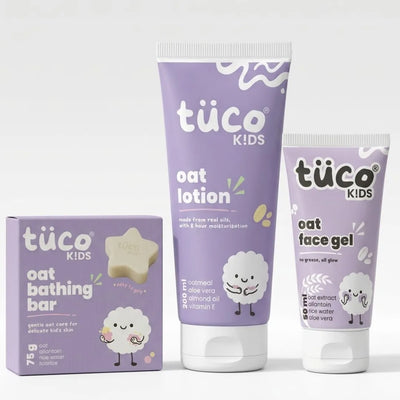
6. Oatmeal: Ancient Skin Soother
Oatmeal is a natural ingredient that has been used for centuries to soothe and heal the skin.
Source: Avena sativa (common oat grain)
Active compounds:
- Avenanthramides: Unique anti-inflammatory compounds
- Beta-glucan: Moisturizing polysaccharide
- Proteins and lipids: Nourishing
Specific strength: It's especially effective for treating dry, itchy skin and conditions like eczema.
Forms: Oatmeal can be found in various forms such as colloidal oatmeal (finely ground for maximum surface area), which is often added to baths, or as an ingredient in creams and lotions.
Applications:
- Eczema treatment (clinically proven effective)
- Itchy skin relief (chickenpox, winter dryness)
- Gentle exfoliation (dead cell removal)
- Cleansing (mild saponins clean gently)
- Barrier repair (lipids support skin structure)
Bath use: 1 cup colloidal oatmeal in lukewarm bath, soak 10-15 minutes (immediate itch relief).
Safety: FDA-recognized skin protectant, excellent safety profile.
7. Lavender Oil: Calming Healer
Lavender Oil is known for its calming and soothing effects.
Botanical source: Lavandula angustifolia (true lavender)
Active components:
- Linalool: Anti-inflammatory, antimicrobial
- Linalyl acetate: Calming, skin-soothing
Benefits: It's an excellent choice for children's skincare due to its gentle nature and ability to promote relaxation. Lavender Oil can help soothe irritated skin, reduce redness, and even aid in healing minor cuts and burns.
Dual action:
- Physical: Skin healing, anti-inflammatory
- Aromatherapy: Calming, promotes sleep
Applications:
- Bedtime lotions (promotes sleep)
- Minor burns, cuts
- Insect bites
- Calming baths
- Massage oils
Important dilution: Essential oil—must dilute properly (1-2% for children). Never use pure essential oil on children's skin.
8. Jojoba Oil: Skin-Mimicking Moisturizer
Jojoba Oil closely resembles the natural oils produced by our skin and scalp, making it an excellent moisturizer.
Source: Simmondsia chinensis (jojoba shrub seeds)
Unique property: Technically liquid wax, not oil—mimics human sebum structure.
Benefits for skin: It's easily absorbed, non-greasy, and helps to balance the skin's oil production. Jojoba Oil is also rich in vitamins and minerals, providing nourishment and protection for kids' delicate skin.
For hair: It also smooths cuticles, adds shine, and keeps hair manageable for kids with sensitive scalps.
Why excellent for children:
- Non-comedogenic (won't clog pores)
- Suitable for all skin types (even oily)
- Long shelf life (doesn't go rancid quickly)
- Hypoallergenic
- Lightweight (absorbs quickly)
Applications:
- Daily facial moisturizer
- Scalp treatment
- Cuticle oil
- Cradle cap
- Massage oil
Top Soothing Ingredients for Kids' Hair Care
Scalp and strand nourishment:
9. Honey: Nature's Humectant
Honey is a natural humectant, meaning it draws moisture into the skin and helps to retain it.
Source: Bee-produced from flower nectar
Composition: It's also packed with antioxidants and has antibacterial properties, making it great for healing and soothing the skin.
Benefits:
- Intense moisturization (draws water from air)
- Wound healing (natural antiseptic)
- Antioxidant protection (environmental damage)
- Gentle exfoliation (enzymes remove dead cells)
Applications: Honey can be used in various skincare products, including masks, lotions, and balms.
For hair: Conditioning masks, scalp treatments (promotes healthy scalp).
Types: Raw honey most beneficial (processed honey loses some properties).
Caution: Not for infants under 1 year (ingestion risk from hands to mouth).
10. Cucumber Extract: Cooling Refresher
Cucumber Extract is incredibly refreshing and soothing for the skin.
Source: Cucumis sativus (common cucumber)
Composition: It's high in water content, which provides excellent hydration, and contains antioxidants (vitamin C, caffeic acid) that help to calm and protect the skin.
Benefits: Cucumber Extract is perfect for cooling and soothing irritated or sunburned skin.
Specific actions:
- Cooling effect (immediate relief)
- Reduces puffiness (eyes, swelling)
- Mild astringent (tightens pores)
- Hydrating (very high water content)
Applications:
- After-sun products
- Cooling gels
- Eye treatments (puffy eyes)
- Summer skincare
Mild nature: Excellent for very sensitive, reactive skin.
11. Reetha (Soapnut): Natural Cleanser
Reetha is a natural cleanser packed with saponins that gently remove dirt and oil without stripping hair.
Botanical source: Sapindus mukorossi (soapnut tree berries)
Active compound: Saponins (natural surfactants that create lather)
Benefits: Its mild, pH-balanced lather keeps kids' scalps clean and healthy while reducing dryness.
Why excellent for children's hair:
- Traditional Ayurvedic remedy
- Extremely gentle (doesn't strip natural oils)
- Prevents dandruff
- Suitable for daily use
- Natural, biodegradable
Applications:
- Shampoo base
- Body wash
- Laundry detergent (clothes touching children's skin)
12. Hibiscus: Strength and Shine
Hibiscus is rich in amino acids and antioxidants that strengthen roots, boost shine, and soften strands.
Botanical source: Hibiscus rosa-sinensis (tropical hibiscus flowers)
Active compounds:
- Amino acids: Building blocks of proteins (hair structure)
- Vitamins A and C: Antioxidant, collagen support
- Alpha-hydroxy acids: Gentle exfoliation
Benefits: It helps reduce frizz and promotes smoother, tangle-free hair.
Specific hair benefits:
- Strengthens roots (reduces fall)
- Adds natural shine
- Conditions deeply
- Promotes growth
- Prevents premature greying (long-term use)
Traditional use: Ancient Ayurvedic and tropical medicine hair treatment.
Complete Products with Soothing Ingredients
Formulated solutions:
For Facial Care
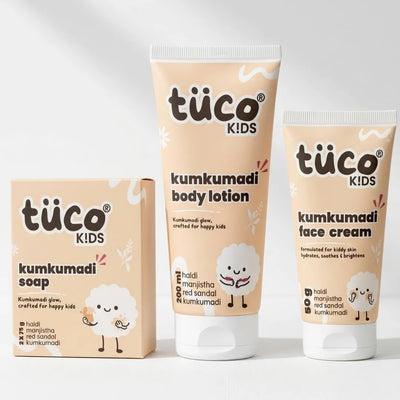
- Kumkumadi Face Cream + Dull Skin Face Wash
- Likely contains multiple soothing botanicals
- Addresses uneven tone, dryness
- Traditional Ayurvedic formula
- Saffron, herbs, oils
- Complete facial care
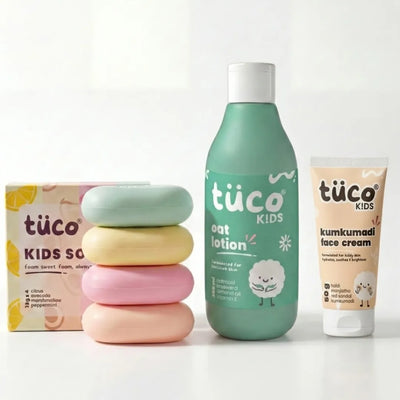
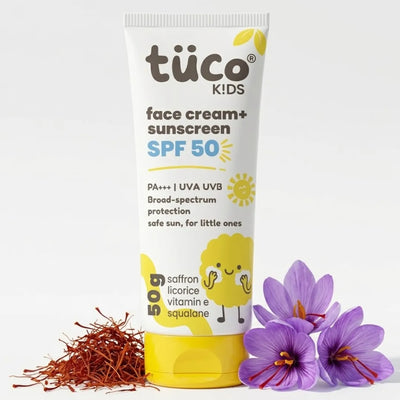
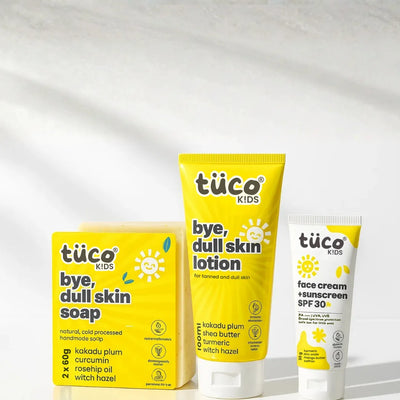
- Soap + Lotion + Sunscreen + Cleanser
- Comprehensive system
- Natural ingredients
For Body Care
Gentle cleansing:
- 10 Best Moisturizing Soaps In India For Dry Skin
- Best Soap And Face Washes For Pre-Teens And Teenagers
Bathing considerations:
Tips for Choosing the Right Products for Kids
Making informed selections:
1. Check the Labels
Look for products that list these ingredients prominently.
What to look for:
- Ingredient list (first 5-7 ingredients most important)
- These soothing ingredients high on list
- Minimal total ingredients (simple = better for sensitive skin)
Transparency: Quality brands explain why ingredients included.
2. Opt for Hypoallergenic Products
These are less likely to cause allergic reactions or irritation.
What "hypoallergenic" means:
- Formulated to minimize allergen risk
- Tested on sensitive skin
- Free from common allergens
Additional helpful labels:
- Dermatologist-tested
- Pediatrician-approved
- Fragrance-free
- Dye-free
3. Avoid Harsh Chemicals
Stay away from products containing parabens, sulfates, and synthetic fragrances.
Common problematic ingredients:
- Sulfates (SLS, SLES): Harsh cleansing agents (strip oils)
- Parabens: Preservatives (potential hormone disruptors)
- Synthetic fragrances: Common allergen (irritation, sensitization)
- Artificial colors: Unnecessary (allergic reactions)
- Formaldehyde releasers: Preservatives (irritating)
Better alternatives exist for all these functions—quality children's products avoid them.
4. Patch Test First
Before using a new product on your child's skin, perform a patch test to ensure they don't have an adverse reaction.
How to patch test:
- Apply small amount to inner forearm
- Wait 24-48 hours
- Check for redness, itching, rash, swelling
- If clear, safe to use on larger areas
- If reaction, discontinue immediately
Even natural ingredients can cause reactions in sensitive individuals—testing essential.
5. Age-Appropriate Selection
Different ages, different needs:
Babies (0-1 year):
- Simplest formulations
- Fragrance-free
- Minimal ingredients
- "Baby" specific products
Toddlers/young children (1-6 years):
- Gentle but can tolerate slightly more ingredients
- Fun packaging (compliance)
- Tear-free formulas
School-age (7-12 years):
- Can use "kids" products
- May need targeted solutions (eczema, etc.)
Teens (13+ years):
- Transitioning toward adult products
- May need acne-fighting ingredients
- Still gentler than full adult formulations
6. Consider Combinations
Synergistic ingredients work better together:
- Aloe + Chamomile = enhanced soothing
- Shea Butter + Calendula = moisture + healing
- Oatmeal + Honey = itch relief + moisturizing
Quality formulated products combine ingredients thoughtfully.
Common Mistakes to Avoid
What parents get wrong:
Mistake 1: Using Adult Products on Children
Problem: Adult formulations too strong, wrong pH, inappropriate active ingredients.
Solution: Always choose age-appropriate products.
Mistake 2: Over-Complicating
Problem: Using too many products, too many steps.
Solution: Simple routine with quality products better than complex routine with mediocre products.
Mistake 3: Assuming "Natural" Means "Safe"
Problem: Natural ingredients can still cause reactions; poison ivy is natural.
Solution: Research specific ingredients, patch test, choose reputable brands.
Mistake 4: Not Reading Full Ingredient Lists
Problem: Marketing claims on front don't tell full story.
Solution: Read entire ingredient list, understand what's actually in product.
Mistake 5: Ignoring Individual Sensitivities
Problem: What works for one child may not work for another.
Solution: Pay attention to your specific child's responses, adjust accordingly.
The Bottom Line
Soothing ingredients: Nature's gentle care for children.
Key Takeaways
Top soothing ingredients for kids' skin: ✓ Aloe Vera: Hydration, healing, cooling ✓ Calendula: Anti-inflammatory, gentle healing ✓ Shea Butter: Intensive moisture, barrier protection ✓ Chamomile: Calming, anti-inflammatory ✓ Coconut Oil: Versatile moisturizer, antimicrobial ✓ Oatmeal: Eczema relief, itch soothing ✓ Lavender: Healing, calming aromatherapy ✓ Jojoba: Non-greasy moisturizer, all skin types
Top ingredients for kids' hair: ✓ Reetha: Gentle natural cleansing ✓ Hibiscus: Strengthening, shine ✓ Coconut Oil: Deep conditioning ✓ Aloe Vera: Scalp health, detangling ✓ Honey: Moisture retention ✓ Jojoba: Scalp balance
Choosing wisely: ✓ Check labels (ingredients prominent) ✓ Opt for hypoallergenic ✓ Avoid harsh chemicals ✓ Patch test first ✓ Age-appropriate selection
Quality products: ✓ Patchy Skin Kit ✓ Kumkumadi Glow Kit ✓ Ultimate Dull Skin Kit
The Core Message
Caring for your child's skin and hair doesn't have to be complicated. By choosing products that contain these top soothing ingredients, you can ensure your little ones enjoy healthy, happy skin.
The transformation:
- From: Reactions, irritation, trial-and-error frustration
- To: Calm, healthy, comfortable skin with ingredients you understand
Whether it's Aloe Vera for hydration, Calendula Oil for healing, or Shea Butter for moisture, these natural ingredients offer the gentle care that kids' skin needs.
Your confidence grows when you understand what you're putting on your child's skin—not just brand names and marketing claims, but actual beneficial ingredients with proven track records.
Start today: Check your current products' ingredient lists. Do they contain these soothing naturals? If not, consider switching to formulations that prioritize gentle, effective botanicals.
Your child's skin will thank you—fewer reactions, more comfort, healthier appearance, and peace of mind that you're providing truly gentle care.
Because children deserve skincare that's as pure, gentle, and effective as possible—and understanding ingredients makes that achievable.
Related Resources: