









Nighttime Skincare Routine for Kids: Complete Bedtime Guide for Healthy Skin
It's 9 PM. Your 8-year-old daughter comes in from playing, face covered in dirt and sweat. She brushes her teeth, but when you suggest washing her face, she resists: "It's fine, Mom!" You let it go—one night won't hurt, right? But the next morning, she wakes with a small pimple. Your 6-year-old son's skin looks dull and dry despite daily baths. Your pediatrician mentions the importance of nighttime skincare, but you're confused—isn't washing at bath time enough? Do children really need separate evening skincare routines? What products are necessary versus excessive? And honestly, adding another step to an already chaotic bedtime feels overwhelming. Is nighttime skincare genuinely important for kids, or just another parenting trend?
Ensuring your child has healthy, glowing skin starts with establishing a good skincare routine. While daytime skincare is essential, a nighttime skincare routine for kids can make a significant difference in maintaining their skin's health and vitality. The science is clear: Skin regenerates most actively during sleep—cell turnover peaks, repair processes accelerate, and damage from daily stressors gets addressed. Nighttime is when skincare works hardest.
Nighttime is when the skin repairs and rejuvenates itself, making it crucial to have a proper evening skincare routine for kids. This comprehensive guide explains nighttime skincare for children—why it matters, step-by-step evening routine, age-appropriate products, making it sustainable and enjoyable, and common mistakes to avoid—because establishing healthy habits early creates lifelong benefits for your child's skin.
The Importance of Nighttime Skincare for Kids
Why evening care matters:
Skin's Natural Repair Cycle
Nighttime is when the skin repairs and rejuvenates itself.
During sleep:
- Cell regeneration peaks: New cells created 2-3x faster than daytime
- Collagen production increases: Repairs daily damage
- Blood flow improves: More nutrients, oxygen to skin
- Transepidermal water loss decreases: Skin retains moisture better
- Stress hormones drop: Cortisol reduction allows healing
Supporting this process: Proper nighttime skincare enhances natural repair, maximizes sleep's restorative benefits.
Removing Daily Damage
Children's skin accumulates dirt, sweat, and environmental pollutants throughout the day, which can clog pores and lead to skin issues.
What needs removing:
- Dirt, dust: From play, school, outdoors
- Sweat: Trapped in pores
- Pollution: Particulate matter (urban environments)
- Sunscreen: Must be removed (can clog pores overnight)
- Dead skin cells: Natural shedding accumulation
Leaving these overnight = clogged pores, breakouts, dullness, irritation.
Preventing Future Problems
A well-structured nighttime skincare routine for kids can help address common skin issues like dryness, irritation, and minor blemishes while promoting overall skin health.
Long-term benefits:
- Prevents acne: Clean pores = fewer breakouts
- Maintains hydration: Nighttime moisturizing critical for dry-prone children
- Reduces inflammation: Calm skin heals better
- Establishes habits: Early routines = lifelong healthy practices
For Indian children: Pollution (urban areas), sun exposure, heat, humidity = significant daily stress requiring evening removal and repair.
Establishing a Nighttime Skincare Routine for Kids
Step-by-step approach:
Step 1: Cleansing (Foundation of Night Routine)
The foundation of any skincare routine is proper cleansing.
Why cleansing critical at night:
- Removes day's accumulation
- Prepares skin for repair
- Allows treatment products to penetrate
- Prevents overnight bacterial growth
Choosing cleanser:
Gentle Cleanser: Choose a mild, sulfate-free cleanser designed for children's sensitive skin. This will ensure that the skin is cleansed without stripping its natural oils.
Quality options:
- Best Soap And Face Washes For Pre-Teens And Teenagers
- 10 Best Moisturizing Soaps In India For Dry Skin
How to Cleanse:
- Wet your child's face with lukewarm water (not hot—strips oils; not cold—doesn't clean effectively)
- Apply a small amount of cleanser (coin-sized)
- Gently massage it into the skin using circular motions (30-60 seconds)
- Rinse thoroughly (no residue left)
- Pat the skin dry with a soft towel (don't rub)
Frequency: Once nightly sufficient (over-cleansing strips skin).
Related: Is Soap Necessary For Bathing Young Children Every Day
Step 2: Toning (Optional for Young Children)
While not always necessary for young children, a gentle toner can help balance the skin's pH and prepare it for moisturizing.
When toning appropriate:
- Pre-teens/teens: More beneficial (oilier skin, larger pores)
- Young children: Usually unnecessary (natural pH balance adequate)
If using toner:
Alcohol-Free Toner: Opt for an alcohol-free toner that contains soothing ingredients like chamomile or aloe vera.
Application: Apply the toner to a cotton pad and gently swipe it over your child's face, avoiding the eye area.
Age guideline: Generally ages 10+ more appropriate for toners.
Step 3: Moisturizing (Critical Night Step)
Moisturizing is a critical step in any nighttime skincare routine for kids. It helps lock in moisture and keeps the skin hydrated overnight.
Why nighttime moisturizing essential:
- 8-10 hours overnight: Extended time for product to work
- No environmental stress: Indoor, protected environment
- Skin receptive: Repair mode = better absorption
- Prevents morning dryness: Wake with soft, comfortable skin
Choosing the Right Moisturizer:
Nighttime Moisturizing for Kids: Look for a moisturizer that is specifically formulated for nighttime use, as these often contain ingredients that support the skin's natural repair processes.
Gentle Formulations: Ensure the moisturizer is free from harsh chemicals, fragrances, and dyes to avoid irritation.
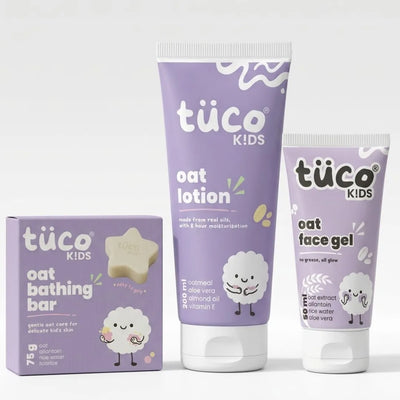
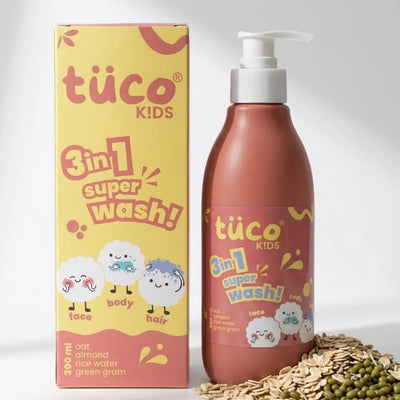
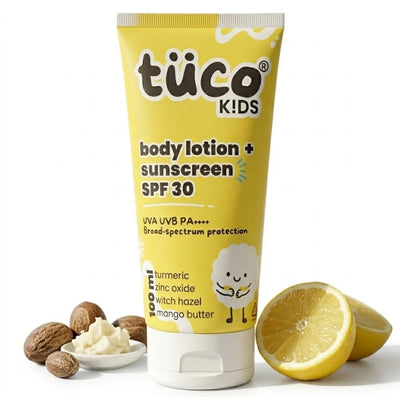
Quality moisturizers:
- Kumkumadi Face Cream (nighttime nourishing)
- Dull Skin Face Wash (gentle cleansing)
- Complete system
- Traditional Ayurvedic formulation
- Nighttime repair support
- Gentle for children
- Face Cleanser + Lotion + Sunscreen + Soap
- Complete day and night care
- Coordinated system
How to Moisturize:
Application: After cleansing and toning, apply a small amount of moisturizer to your child's face. Use gentle, upward strokes to spread the product evenly.
Focus Areas: Pay extra attention to areas prone to dryness, such as the cheeks and forehead.
Technique:
- Pea-sized amount (children's faces small)
- Dot on cheeks, forehead, nose, chin
- Gentle upward strokes (don't pull skin down)
- Pat in gently (don't rub aggressively)
- Allow 2-3 minutes to absorb
Step 4: Spot Treatment (If Needed)
If your child has minor blemishes or dry patches, incorporating a spot treatment can be beneficial.
When appropriate:
- Pre-teens/teens: Developing acne
- Dry patches: Eczema-prone areas, winter dryness
- Minor irritations: Insect bites, small scrapes
Natural Ingredients: Opt for treatments that contain natural ingredients like tea tree oil or calendula, known for their soothing and healing properties.
Application: Apply a small amount of the spot treatment directly to the affected area after moisturizing.
Age consideration: Generally ages 8+ for spot treatments; younger children usually need only gentle cleansing and moisturizing.
Step 5: Lip Care
Children's lips can also become dry and chapped, especially during colder months.
Why lip care important:
- Lips have no oil glands (can't self-moisturize)
- Thin skin (very vulnerable)
- Constant exposure (talking, eating, licking)
Lip Balm: Use a gentle, hydrating lip balm to keep their lips soft and smooth. Look for products with natural ingredients like shea butter or beeswax.
Application: Apply a small amount of lip balm to your child's lips before they go to bed.
Choose:
- Fragrance-free (less likely to lick)
- SPF during day (nighttime doesn't need)
- Natural ingredients (safe if accidentally ingested)
Complete Step-by-Step Evening Routine
Putting it all together:
For Young Children (Ages 4-8)
Simple 3-step routine (5 minutes total):
- Cleanse: Gentle face wash, lukewarm water, pat dry
- Moisturize: Light moisturizer, gentle application
- Lip balm: If needed
Total time: 3-5 minutes (sustainable for busy families).
For Pre-Teens and Teens (Ages 9+)
Full 5-step routine (7-10 minutes):
- Cleanse: Thorough cleansing (may need double cleanse if wearing sunscreen)
- Tone (optional): Alcohol-free toner
- Spot treatment (if needed): Target breakouts, dry patches
- Moisturize: Appropriate for skin type
- Lip care: Hydrating balm
Total time: 5-10 minutes (still manageable).
Age-Specific Adjustments
Adjust complexity based on:
- Child's age, maturity
- Skin concerns (simple skin = simple routine)
- Willingness, cooperation
- Family schedule constraints
Start simple, add complexity as needed—not the other way around.
Making Nighttime Skincare Enjoyable and Sustainable
Building lasting habits:
Creating a Relaxing Routine
A calming bedtime routine can help your child wind down and prepare for sleep. Incorporating skincare into this routine can make it a soothing and enjoyable experience.
Set a Schedule: Establish a consistent bedtime and skincare schedule. Consistency is key to developing healthy bedtime skincare habits.
Timing suggestions:
- 30 minutes before sleep target
- After bath, before pajamas
- Same time nightly (builds habit)
Make it Fun: Turn skincare into a fun activity by using products with appealing packaging and scents. Allow your child to choose their favorite moisturizer or lip balm.
Fun strategies:
- Let them pick products (within appropriate options)
- Special "spa" time language
- Soft music, relaxing environment
- Make it bonding time (parents join)
Children's Bedtime Skincare Tips
Be Gentle: Always use gentle motions when applying skincare products. Children's skin is delicate, and rough handling can cause irritation.
Gentle application:
- Soft pressure only
- No pulling, tugging
- Patient, calm approach
- Respect if skin sensitive
Educate Your Child: Teach your child about the importance of skincare and how to care for their skin properly. This knowledge will empower them to take ownership of their skincare routine.
Age-appropriate education:
- Ages 4-6: Simple explanations ("Get dirt off, keep skin soft")
- Ages 7-10: Why it matters ("Skin repairs while sleeping")
- Ages 11+: Science, long-term benefits
Lead by Example: Demonstrate good skincare habits by following a routine yourself. Children are more likely to adopt these habits if they see you practicing them.
Modeling behavior: Do your routine alongside theirs—powerful learning through observation.
Building Independence
Progressive responsibility transfer:
Ages 4-6:
- Parent does everything
- Child "helps" (holds bottle, pats face)
- Learning through observation
Ages 7-10:
- Child does with supervision
- Parent checks thoroughness
- Building skills, confidence
Ages 11+:
- Fully independent
- Occasional spot-checks
- Established habit
Common Mistakes to Avoid
What not to do:
1. Using Harsh Products
Using Harsh Products: Avoid using products with harsh chemicals or strong fragrances.
Problems with harsh products:
- Strip natural oils
- Cause irritation, dryness
- Disrupt developing skin barrier
- Make children resistant (uncomfortable)
Choose: Gentle, child-specific formulations always.
2. Over-Cleansing
Over-Cleansing: Over-cleansing can strip the skin of its natural oils. Stick to cleansing once per night.
Why once sufficient:
- Evening removes day's accumulation
- Morning rinse with water often adequate (or very gentle cleanser)
- Twice daily harsh cleansing = dryness, irritation
Exception: Very oily teens may need morning cleanse too (but gentle).
3. Skipping Moisturizer
Skipping Moisturizer: Never skip the moisturizing step, as it is crucial for keeping the skin hydrated.
Why skipping problematic:
- Cleansing alone can leave skin dry
- Overnight hours perfect for moisturizing
- Dry skin = compensatory oil production (makes oiliness worse)
Non-negotiable: If doing nighttime routine, moisturizing essential.
4. Inconsistency
Sporadic routines don't build habits or deliver results:
- Doing occasionally = minimal benefit
- Consistency key to seeing improvement
- Habit formation requires repetition
Solution: Make routine non-negotiable part of bedtime, like tooth brushing.
5. Using Adult Products
Adult products too strong for children:
- Concentrations inappropriate
- Ingredients too harsh
- Not formulated for developing skin
Always: Age-appropriate, child-specific products.
Benefits of Consistent Bedtime Skincare
Long-term advantages:
Immediate Benefits
Within days to weeks:
- Cleaner, fresher skin
- Reduced breakouts
- Better hydration
- Softer texture
- Evening skin comfort
Long-Term Benefits
Implementing a consistent bedtime skincare routine for children offers numerous long-term benefits:
Healthy Skin: Regular care helps maintain healthy, glowing skin.
Prevents Skin Issues: Early skincare habits can prevent common issues like dryness and irritation.
Builds Good Habits: Teaching your child to care for their skin fosters a sense of responsibility and self-care.
Additional long-term advantages:
- Reduced acne in teen years (established pore care)
- Better aging (protection from cumulative damage)
- Self-care mindset (responsibility for own health)
- Confidence (comfortable, healthy skin supports self-esteem)
Life Skills Development
Beyond skin health:
- Routine-building: Time management, consistency
- Self-care: Prioritizing personal health
- Body awareness: Understanding skin needs
- Independence: Age-appropriate self-sufficiency
Tailoring the Routine to Your Child
Personalization matters:
Assess Skin Type
Determine whether your child's skin is oily, dry, or sensitive and choose products accordingly.
Skin type characteristics:
- Oily: Shiny, enlarged pores, prone to breakouts
- Dry: Rough, flaky, tight feeling
- Sensitive: Reacts easily, redness, irritation
- Combination: Oily T-zone, dry cheeks
- Normal: Balanced, few issues
Product selection based on type.
Adjust as Needed
Monitor your child's skin and adjust the routine as needed. For example, if their skin becomes dry during winter, switch to a richer moisturizer.
Seasonal adjustments:
- Winter: Richer moisturizers, less frequent cleansing
- Summer: Lighter products, more thorough cleansing (sweat, sunscreen)
- Humid seasons: Gel-based products (monsoon)
Special Considerations for Indian Children
Climate factors:
- High humidity: Lighter products, thorough cleansing
- Pollution: Extra emphasis on evening cleansing (remove particulate matter)
- Sun exposure: Nighttime repair after daily UV stress
- Hard water: May need gentler cleansers (hard water drying)
The Bottom Line
Nighttime skincare for kids: Essential, not excessive.
Key Takeaways
Why nighttime routine matters: ✓ Skin repairs most actively during sleep (cell turnover, collagen production) ✓ Removes day's accumulation (dirt, sweat, pollution, sunscreen) ✓ Prevents future problems (acne, dryness, irritation) ✓ Builds lifelong healthy habits
Essential steps (all ages):
- Cleanse (gentle, sulfate-free)
- Moisturize (appropriate for skin type)
- Lip care (if needed)
Additional steps (pre-teens/teens): 4. Toning (optional) 5. Spot treatment (if needed)
Time required: ✓ Young children: 3-5 minutes ✓ Pre-teens/teens: 5-10 minutes ✓ Sustainable for busy families
Quality products: ✓ Patchy Skin Kit ✓ Kumkumadi Glow Kit ✓ Ultimate Dull Skin Kit
Making it sustainable: ✓ Consistent timing (same time nightly) ✓ Make it fun (appealing products, bonding time) ✓ Lead by example (parent routines) ✓ Build independence gradually ✓ Keep simple (complexity kills compliance)
Common mistakes to avoid: ✗ Harsh products ✗ Over-cleansing ✗ Skipping moisturizer ✗ Inconsistency ✗ Using adult products
Benefits: ✓ Immediate: Cleaner, softer, healthier skin ✓ Long-term: Prevents issues, builds habits, fosters responsibility ✓ Lifelong: Establishes self-care patterns
The Core Message
Your 8-year-old's dirt-covered face after evening play needs proper cleansing before bed—not just for appearance, but because overnight is when that accumulated dirt, sweat, and pollution can clog pores, cause breakouts, and prevent repair.
Your 6-year-old's dull, dry skin will transform with simple nighttime routine: gentle cleanse + appropriate moisturizer + consistency. Within 2 weeks, noticeable improvement; within a month, established healthy habit.
Start tonight: After bath, gentle face cleanse (30 seconds), pat dry, moisturizer (quality face cream), lip balm if needed. Total time: 3-5 minutes. Tomorrow night repeat. Every night repeat.
Within a week, it becomes routine—no longer negotiation, just what happens before bed like tooth brushing. Within a month, you notice: fewer breakouts, softer skin, healthier appearance. Within months, your child has internalized self-care habits that will serve them for life.
A well-structured nighttime skincare routine for kids is essential for maintaining healthy, glowing skin. By following the steps outlined in this guide and incorporating bedtime skincare for children into their nightly routine, you can help your child develop healthy skincare habits that will benefit them for years to come.
Remember to choose gentle products, tailor the routine to your child's needs, and make skincare a fun and positive experience. With the right approach, your child's skin will be well cared for, ensuring they sleep tight and wake up with soft, healthy skin.
Related Resources: