



Mint for Kids: Uses, Benefits, and Safe Application for Children's Skin & Hair
Your 9-year-old comes in from playing cricket, sweaty and complaining about an itchy, uncomfortable scalp. You've noticed their hair looking greasy by midday despite morning washing, and dandruff flakes on their uniform. Meanwhile, their skin reacts to everything—redness from sun exposure, irritation from new soaps. A friend mentions mint: "It's so cooling and soothing! Great for kids!" But you're cautious. Is mint safe for children? Will it help or irritate their sensitive skin? How do you even use it?
Mint, scientifically known as Mentha, is a fragrant and versatile herb that has been cherished for centuries for its culinary and medicinal uses. In Indian languages, it is commonly referred to as "Pudina" or "Pudina Pata." Mint offers a refreshing and cooling sensation, making it a popular ingredient in skin and hair care products—from toothpaste to shampoos to soothing gels.
But here's what parents need to understand: mint is powerful. That characteristic cooling sensation comes from menthol, a compound that triggers cold-sensing receptors in skin. This can be wonderfully soothing—or overwhelming and irritating—depending on concentration, application method, and individual sensitivity. For children's delicate skin and scalps, mint must be used thoughtfully, properly diluted, and in age-appropriate formulations.
This comprehensive guide explores mint's benefits for children's skin and hair, how it works, safe usage methods, potential side effects, and the best ways to incorporate it into your child's care routine—because understanding this powerful herb helps you harness its benefits while avoiding its risks.
Understanding Mint: Botanical Identity and Composition
What makes mint so distinctive:
Botanical Classification
Scientific name: Mentha (genus with many species)
Common species:
- Peppermint (Mentha × piperita): Hybrid of watermint and spearmint, highest menthol content
- Spearmint (Mentha spicata): Milder, sweeter, less menthol
- Wild mint (Mentha arvensis): High menthol, used for extraction
- Chocolate mint, apple mint, others: Dozens of varieties
Traditional names:
- Hindi: Pudina (पुदीना)
- Sanskrit: Pudina, Paparaminta
- Tamil: Pudina
- Bengali: Pudinamint
- Widely used across Indian cuisine and traditional medicine
Growth: Hardy perennial herb, grows easily (sometimes invasively), aromatic leaves, square stems characteristic of mint family.
Active Compounds
What gives mint its properties:
Menthol (primary active):
- Creates cooling sensation (activates cold receptors—doesn't actually lower temperature)
- Antimicrobial properties
- Mild analgesic (pain relief)
- Concentration varies by species (peppermint highest at 30-55%)
Menthone:
- Contributes to minty aroma
- Antimicrobial
- Less intense than menthol
Essential oils:
- Carvone (especially spearmint)
- Limonene
- Cineole
- Complex blend creating characteristic scent and effects
Other beneficial compounds:
- Rosmarinic acid: Antioxidant, anti-inflammatory
- Flavonoids: Antioxidant protection
- Tannins: Astringent properties
- Vitamins: A, C (in fresh leaves)
- Minerals: Iron, calcium, manganese
This complex chemistry gives mint its multifaceted benefits—but also its potential for irritation if misused.
How Mint Works
The mechanisms behind the benefits:
Cooling sensation:
- Menthol activates TRPM8 receptors (cold-sensitive)
- Brain interprets as cooling even though temperature unchanged
- Soothing, refreshing feeling
- Reduces perception of itching
Antimicrobial action:
- Menthol and other compounds disrupt microbial cell membranes
- Effective against bacteria, fungi, some viruses
- Useful for scalp issues (dandruff, minor infections)
Anti-inflammatory:
- Reduces inflammatory markers
- Calms irritated skin and scalp
- Soothes redness, swelling
Astringent properties:
- Tightens tissue
- Reduces excess oil
- Minimizes pore appearance
Stimulation:
- Increases circulation when applied topically (massage effect enhanced by mint)
- Can support healthy scalp environment
For children specifically: These properties can be very beneficial—but must be delivered in appropriate concentrations and formulations.
Mint Uses & Benefits for Children
Mint offers a range of uses and benefits for skin and hair:
For Skin
1. Skin Toning and Pore Refinement
Mint has astringent properties that help tighten the skin and reduce the appearance of pores.
How it works:
- Tannins cause tissue contraction
- Temporary tightening effect
- Reduces excess oil on surface
- Pores appear smaller
For children:
- Pre-teens and teens developing oily skin (hormonal changes)
- Combination skin (oily T-zone)
- Large pores becoming noticeable
Application: Gentle toners, facial mists, or cleansers containing mint (properly formulated for children—not pure mint application).
2. Soothing Irritation and Inflammation
Mint's cooling effect calms skin irritation and inflammation, making it beneficial for sensitive or sunburned skin.
How it works:
- Menthol's cooling sensation reduces itch perception
- Anti-inflammatory compounds reduce actual inflammation
- Soothing relief for various irritations
For children's common issues:
- Minor sunburn (cooling relief)
- Insect bites (reduces itching)
- Heat rash (cooling, soothing)
- Mild eczema flares (anti-inflammatory—but test carefully)
- Post-play skin irritation
Important: Not a substitute for proper sunscreen or medical treatment for serious conditions—provides symptomatic relief.
3. Oil Control
For pre-teens and teens:
- Developing oily skin zones
- Forehead, nose breakouts
- Mint helps regulate sebum production
- Reduces shine
4. Acne Support
Antimicrobial and anti-inflammatory properties:
- Fights acne-causing bacteria
- Reduces redness and swelling of pimples
- Helps prevent new breakouts (in conjunction with proper cleansing routine)
For tweens/teens: Gentle acne support without harsh chemicals.
For Scalp and Hair
1. Scalp Health Promotion
Mint promotes a healthy scalp by regulating oil production, reducing dandruff, and stimulating hair follicles for improved hair growth.
How mint supports scalp:
- Oil regulation: Astringent properties balance excess sebum (helps oily scalps)
- Dandruff reduction: Antimicrobial action fights Malassezia fungus (common dandruff cause)
- Anti-itch: Cooling sensation soothes itchy scalps
- Stimulation: Increases circulation to follicles (massage + mint together)
- Cleansing: Helps remove buildup, refreshes scalp
For children's scalp issues:
- Oily scalp (hair greasy by afternoon)
- Dandruff (flaking, itching)
- Scalp irritation
- Post-play sweaty, uncomfortable scalp
- General scalp health maintenance
2. Hair Revitalization
Mint-infused hair products can invigorate the scalp, adding shine, and improving overall hair health.
Benefits for hair:
- Shine: Smooths hair cuticle, improves light reflection
- Freshness: Pleasant scent, clean feeling
- Manageability: Healthier scalp = healthier hair growth
- Stimulation: May support optimal growth environment
For children: Makes hair care routine refreshing rather than chore—pleasant cooling sensation encourages cooperation.
3. Deep Cleansing
Mint's natural properties:
- Help remove product buildup
- Clarify scalp without over-stripping
- Leave hair feeling light, bouncy
For active children: Frequent outdoor play, swimming, sports = need for effective cleansing.
Recommended Products and Usage for Children
Safe, effective ways to use mint:
Formulated Products (Recommended Approach)
Why products better than DIY mint for children:
- Appropriate menthol concentration
- pH balanced
- Tested for safety
- Complementary ingredients
- Consistent results
- Pleasant experience
Complete Hair Care with Mint
- Shampoo, conditioner, hair oil, detangler
- May contain mint or mint extracts
- Formulated for children's hair and scalp
- Balanced concentration (refreshing without overwhelming)
Benefits of complete system:
- Coordinated products work synergistically
- Cleansing (shampoo) + conditioning (conditioner) + nourishment (oil) + daily ease (detangler)
- Mint in shampoo: Cleanses, refreshes, stimulates
- Mint in oil: Cooling scalp massage, circulation boost
How to use:
- Follow product directions
- Typically: Shampoo 2-3x weekly, condition after shampooing, oil 1-2x weekly, detangler daily as needed
For Skin Care
Mint in facial care:
- May contain mint or cooling botanicals
- Face wash + cream
- Addresses skin brightness, freshness
- Gentle formulation for young skin
Benefits:
- Refreshing cleansing
- Cooling, soothing sensation
- Balanced with nourishing ingredients
DIY Mint Applications (Use with Caution)
If making home preparations—follow safety guidelines:
Mint tea for skin:
- Steep fresh mint leaves in hot water
- Cool completely
- Use as facial rinse or scalp rinse
- Very gentle, low concentration
- Patch test first
Mint in hair oil:
- Infuse mint leaves in carrier oil (coconut, almond) gently
- Strain well
- Test small amount on scalp
- Use for scalp massage if tolerated
- Frequency: Weekly maximum
Never:
- Apply fresh mint leaves directly to child's skin or scalp (too concentrated, risk of irritation)
- Use pure peppermint essential oil on children (extremely concentrated—see precautions section)
- Leave mint preparations on skin/scalp for extended periods without testing
Recommended Dosage and Frequency
Incorporate mint into your routine to enjoy its benefits:
Internal Use (Not Primary Focus for Skin/Hair)
Mint Tea: Steep fresh mint leaves in hot water for a refreshing and soothing tea. Drink 1-2 cups daily.
Benefits beyond haircare:
- Digestive support
- Hydration (important for skin health)
- General wellness
For children:
- Age 5+: Can enjoy mint tea (warm or iced)
- Small amounts first (ensure no allergic reaction)
- Avoid excessive consumption (mint tea generally safe but moderation key)
Note: Internal mint consumption won't directly transform hair or skin, but overall hydration and wellness support healthy appearance.
Topical Application
Use mint-infused skincare and haircare products as directed or add a few drops of peppermint essential oil to carrier oils for massage or scalp treatments.
Important clarifications for children:
Formulated products: Follow package directions
- Shampoo: 2-3x weekly or as needed
- Conditioner: After each shampoo
- Hair oil: 1-2x weekly
- Face wash: Once or twice daily
- Lotions/creams: As needed
DIY mint-infused oil (if making):
- Weekly scalp treatment maximum
- 5-10 minute massage
- Rinse thoroughly
Essential oil (extreme caution for children):
- Peppermint essential oil NOT recommended for children under 6 years (can cause respiratory issues if inhaled)
- Children 6-12: Only if heavily diluted (1-2 drops per tablespoon carrier oil), patch tested, supervised
- Teens: Can tolerate slightly higher concentrations but still dilute well
Better approach for most families: Use products professionally formulated for children rather than pure essential oils.
Side Effects of Mint
Important safety information:
Allergic Reactions
Some individuals may be allergic to mint. If you experience symptoms like itching, rash, or difficulty breathing, discontinue use and seek medical attention.
Allergy symptoms:
- Skin: Redness, itching, hives, rash
- Respiratory: Difficulty breathing, wheezing, throat tightness
- Systemic: Swelling (face, lips, tongue), dizziness
Risk factors:
- Family history of allergies
- Known sensitivities to other plants in Lamiaceae family (basil, oregano, lavender)
Prevention: Patch test before first use, start with very small amounts.
Skin Sensitivity and Irritation
Mint may cause skin irritation or redness in some individuals. Conduct a patch test before using mint-infused products extensively.
Sensitivity signs:
- Redness at application site
- Burning or stinging sensation (beyond mild cooling)
- Itching, discomfort
- Rash development
Contributing factors:
- Concentration too high
- Individual sensitivity
- Damaged or broken skin (mint penetrates more, irritates)
- Very young age (babies and toddlers more sensitive)
Menthol-specific concerns:
- Overly strong cooling can feel uncomfortable
- Some children dislike intense sensation
- Can cause reflex response in babies (avoid mint on infants' faces or chests)
Respiratory Concerns (Young Children)
Menthol can trigger breathing issues in babies and very young children:
- Never apply mint products near nose/mouth of infants
- Peppermint essential oil vapor can cause respiratory distress
- Generally avoid mint on children under 2-3 years without doctor approval
Eye Irritation
Mint products in eyes extremely uncomfortable:
- Intense burning sensation
- Excessive tearing
- Temporary vision disruption
Prevention: Careful application, avoid eye area, supervise young children.
Precautions While Using Mint on Children
Critical safety guidelines:
1. Avoid Sensitive Areas
Avoid applying mint-based products near the eyes or on open wounds.
Additional sensitive areas to avoid:
- Nostrils (inside or very near)
- Mouth (can irritate mucous membranes)
- Genital area (very sensitive skin)
- Any broken skin, cuts, scrapes
Why: Menthol much more intense on mucous membranes and damaged skin—painful, potentially harmful.
2. Age Restrictions
Babies and toddlers (under 2-3 years):
- Generally avoid mint products
- If using: Doctor approval first, extremely gentle formulations only
- Never near face
Young children (3-5 years):
- Very mild mint products only
- Patch test carefully
- Supervise application
School age (6-12 years):
- Can tolerate moderate mint concentrations
- Still supervise and test
- Teach not to touch eyes after handling mint products
Teens (13+):
- Generally tolerate mint well
- Still use appropriate formulations (not adult-strength)
3. Dilution Requirements
Pure mint or mint essential oil too strong for children:
Fresh mint: Don't rub directly on skin—infuse in water or oil first Mint tea (cooled): Gentle, okay for rinses Mint essential oil: Extreme dilution required (see dosage section), avoid for young children entirely
4. Patch Testing
Always patch test new mint products:
- Apply small amount to inner forearm
- Wait 24 hours
- Check for any reaction
- If clear, proceed to intended use area
- If reaction, don't use
Even familiar ingredients: Individual sensitivity varies.
5. Medical Consultation
Consult a healthcare professional before using mint supplements if you have underlying health conditions or are taking medications.
For topical use, consult doctor if child has:
- Diagnosed skin conditions (eczema, psoriasis, etc.)
- Respiratory issues (asthma—menthol can trigger)
- Known allergies
- Very sensitive skin
- Any concerns about safety
6. Product Quality
Choose reputable products:
- Specifically formulated for children
- Clear ingredient lists
- Proper storage and expiration dates
- From trusted brands
DIY preparations: Use fresh, clean mint; prepare and store hygienically.
7. Rinse Thoroughly
After mint hair treatments:
- Ensure complete removal
- Residual mint can continue to stimulate/irritate
- May need thorough shampooing
Mint Compared to Other Cooling/Soothing Ingredients
How mint stacks up:
Mint vs. Aloe Vera
Aloe vera:
- Soothing, hydrating
- Very gentle, rarely irritates
- No cooling sensation
- Better for very sensitive skin
Mint:
- Soothing + cooling sensation
- More stimulating
- Potential for irritation higher
- Better for oily skin, scalp issues
Best use: Aloe for sensitive, dry skin; mint for oily, irritated, or dandruff-prone.
Mint vs. Cucumber
Cucumber:
- Cooling (actual temperature, not sensation)
- Hydrating, gentle
- Very mild
- Good for all skin types
Mint:
- Cooling sensation (menthol)
- More active (antimicrobial, astringent)
- Stronger effects
- Better for specific issues (acne, dandruff)
Best use: Cucumber for gentle everyday soothing; mint for targeted treatment.
Mint vs. Tea Tree
Tea tree:
- Powerful antimicrobial
- Acne, dandruff treatment
- Can be irritating
- No cooling sensation
Mint:
- Antimicrobial + cooling + astringent
- Pleasant sensation
- Gentler (in appropriate concentrations)
Best use: Tea tree for stubborn dandruff/acne (properly diluted); mint for general scalp health with pleasant experience.
The Verdict for Children
Mint advantages:
- Effective for multiple concerns (oily skin, dandruff, irritation)
- Pleasant cooling sensation (kids often enjoy)
- Refreshing (encourages routine adherence)
- Antimicrobial, anti-inflammatory, astringent
Mint considerations:
- Must be properly diluted
- Not suitable for very young children
- Can irritate if misused
- Requires careful application
Best for: School-age children and older with oily skin, scalp issues, or need for refreshing haircare.
Complete Care Products with Mint
Quality formulations combining mint with complementary ingredients:
For Hair and Scalp
- May contain mint for scalp stimulation, freshness
- Balanced with nourishing ingredients
- Complete system: shampoo, conditioner, oil, detangler
Why complete systems work:
- Mint in shampoo: Cleansing, refreshing
- Conditioning balances any potential drying
- Oil nourishes
- Detangler daily ease
For Face and Skin
- Cooling, refreshing botanical blend
- Brightening, toning
- Gentle for young skin
Complementary Body Care
For overall gentle cleansing supporting skin health:
- See: 10 Best Moisturizing Soaps in India for Dry Skin
- See: Best Soap and Face Washes for Pre-Teens and Teenager Kids
- See: Best Kids Soap in India: Gentle, Safe and Effective Options
FAQs on Mint for Children
1. Can mint help with oily skin?
Yes, mint's astringent properties help regulate oil production and reduce excess sebum, making it beneficial for oily skin.
How it works:
- Tannins tighten pores
- Reduces surface oil
- Balances sebum production over time
For children: Pre-teens and teens developing oily zones (forehead, nose)—mint in gentle face wash or toner effective.
2. How can I use mint for hair care?
You can add fresh mint leaves to your hair masks, use mint-infused shampoos and conditioners, or massage mint essential oil into your scalp to promote a healthy scalp and revitalised hair.
Safest for children:
- Mint-infused shampoos and conditioners (formulated appropriately)
- DIY mint tea rinse (very gentle)
- Professional mint oil blends (properly diluted)
Avoid: Pure peppermint essential oil on young children, fresh leaves directly on scalp.
3. Is there a difference between spearmint and peppermint?
Yes, spearmint and peppermint belong to the mint family but have slight differences in flavour and aroma. Spearmint has a milder, sweeter taste, while peppermint has a more intense, cooling flavour.
For children:
- Spearmint: Gentler, less menthol, better tolerated by young children
- Peppermint: Stronger, more effective for targeted issues but higher irritation risk
In products: Spearmint often better choice for children's formulations.
4. Are there any benefits of mint tea for digestion?
Yes, mint tea can help soothe indigestion, relieve bloating, and support healthy digestion.
For children:
- Safe from age 5+ (small amounts)
- Helps with stomach discomfort
- Pleasant taste (kids generally like)
- Hydration supports overall health (including skin)
Not primary route to skin/hair benefits—but general wellness contributes.
5. Can mint cause breathing problems in babies?
Yes—menthol can trigger respiratory issues in infants and very young children.
Never apply mint products:
- Near baby's face
- On chest
- Where vapor could be inhaled
Safe age: Generally 2-3+ years with gentle formulations, doctor approval.
6. How often can I use mint products on my child?
Depends on product and child's tolerance:
- Shampoo: 2-3x weekly or as needed
- Face wash: 1-2x daily
- Hair oil with mint: 1x weekly
- Intensive treatments: Weekly maximum
Signs of overuse: Dryness, irritation, increased sensitivity—reduce frequency if these occur.
7. My child dislikes the mint sensation—alternatives?
Some children find menthol uncomfortable:
- Try spearmint (milder) instead of peppermint
- Use lower-concentration products
- Alternatives: Aloe vera, chamomile, cucumber (soothing without cooling)
Don't force: If child genuinely dislikes, many effective alternatives exist.
The Bottom Line
Mint for children: refreshing, effective, requires thoughtful use.
Key Takeaways
Mint offers real benefits: ✓ Scalp health (oil control, dandruff reduction, stimulation) ✓ Skin toning and oil regulation ✓ Soothing irritation (cooling relief) ✓ Antimicrobial and anti-inflammatory properties ✓ Pleasant, refreshing sensation ✓ Encourages routine adherence (kids enjoy the feeling)
But requires proper use: ✓ Age-appropriate (avoid very young children) ✓ Proper dilution (never pure essential oil on kids) ✓ Patch test (check for sensitivity) ✓ Avoid sensitive areas (eyes, wounds, mucous membranes) ✓ Choose quality products (formulated for children) ✓ Monitor for reactions
For most children, formulated products optimal:
- Complete Hair Care Set: Mint for scalp health, freshness
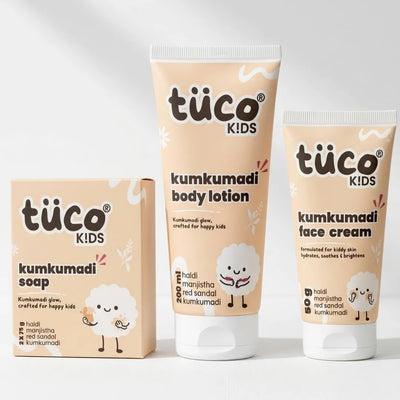
- Kumkumadi Glow Kit: Cooling, refreshing facial care
The Practical Approach
If your child has:
- Oily scalp/hair: Mint-based shampoo (refreshing, regulating)
- Dandruff: Mint for antimicrobial, soothing benefits
- Oily skin (pre-teen/teen): Mint in gentle face wash
- Post-play discomfort: Mint provides cooling relief
- Scalp irritation: Soothing, anti-inflammatory benefits
Pure mint or essential oil: Only with extreme caution, proper dilution, older children—most families better served by formulated products.
The Experience Factor
Why mint valuable beyond pure efficacy:
- Pleasant sensation makes haircare enjoyable
- Refreshing feeling encourages children to cooperate with routines
- "Spa-like" experience builds positive associations with self-care
- Teaching that taking care of body can feel good
For reluctant hair-washers: Mint might transform bath time from battle to treat.
Start Smart
Beginning with mint:
- Choose age-appropriate products (formulated for children)
- Patch test (always, every new product)
- Start conservatively (mild formulations, infrequent use)
- Observe response (does child tolerate well? Enjoy sensation?)
- Adjust as needed (increase if going well, reduce if any issues)
In conclusion, mint, with its refreshing properties and versatile uses, is a valuable ingredient for enhancing skin and hair health. Whether consumed as mint tea or used in skincare and haircare products, mint offers soothing and revitalising benefits. Embrace the invigorating power of mint and indulge in its natural goodness for a rejuvenated skin and hair experience—with the wisdom to use it safely and appropriately for your child's developing body.
Because the best ingredients aren't just effective—they're safe, age-appropriate, and enjoyable enough that children actually want to use them. Mint, used wisely, checks all those boxes.
Related Resources: