



Haircare Routines for Kids: Why They Matter and How to Build Healthy Habits
Think kids don't need a haircare routine? Think again. Your 7-year-old's hair looks dull and tangled every morning. The brushing battles are exhausting—she screams, you're frustrated, and you're both late for school. You wash her hair twice weekly with whatever shampoo is in the shower, but it still looks dry and feels rough. Your mother-in-law comments: "Her hair used to be so shiny as a baby. What happened?" You wonder: Do children really need a proper haircare routine? Isn't that just for adults? Can't you just wash their hair and be done with it?
Children's hair is just as prone to dryness, frizz, dandruff, and tangles as ours—sometimes even more so. The reality: Children's developing hair faces unique challenges—thinner strands, environmental exposure (sun, chlorine, pollution), active play (sweat, dirt), and sometimes improper care. Without a proper routine, these factors accumulate into persistent problems.
A simple, consistent routine does more than just keep their locks looking neat; it supports a healthy scalp, strong strands, and confidence from the roots up. This comprehensive guide explains why haircare routines for kids matter, proven benefits of consistent care, how to create age-appropriate routines, essential products, practical tips, and how to make haircare a positive experience—because healthy hair starts with understanding and the right approach.
Why Haircare Routines for Kids Matter
The foundation for lifelong healthy hair:
Understanding Children's Hair Unique Needs
Children's hair differs from adult hair:
Structural differences:
- Thinner hair shafts (more fragile)
- Developing scalp (oil production not yet mature)
- More porous (absorbs and loses moisture faster)
- Finer texture (tangles more easily)
Lifestyle factors affecting children's hair:
- Active play: Sweat, dirt accumulation
- Environmental exposure: Sun, chlorine (swimming), pollution
- Frequent washing needs: But with gentle products
- Impatient handling: Rough brushing, tight hairstyles
Result: Children's hair requires specific care—not just scaled-down adult routines.
The Consequences of Neglect
What happens without proper haircare:
Short-term issues:
- Tangled, matted hair (painful brushing)
- Dull, lifeless appearance
- Dry, brittle strands
- Scalp discomfort, itching
- Bad hair days affecting confidence
Long-term consequences:
- Damaged hair follicles (affects future growth)
- Established bad habits (carrying into adulthood)
- Scalp conditions becoming chronic (dandruff, etc.)
- Hair breakage, thinning
- Negative associations with self-care
The good news: All preventable with simple, consistent healthy haircare routine for kids.
Benefits of a Proper Haircare Routine for Children
Why consistency matters:
1. 🌵 Prevents Dryness and Breakage
Children's hair is more delicate and prone to dryness and breakage than ours, due to environmental exposure and frequent washing.
The problem:
- Developing hair naturally drier (immature sebum production)
- Active lifestyles = frequent washing needed
- Harsh products strip natural oils
- Sun, chlorine, pollution = dehydration
- Result: Dry, brittle, breaking hair
The solution: Incorporating a gentle, sulphate-free shampoo and mild, nourishing conditioner into their routine helps lock in moisture, strengthens their locks, and lowers the risk of hair damage.
How proper products work:
- Sulphate-free cleansing: Removes dirt without stripping natural oils
- Conditioning: Seals moisture into hair shaft
- Gentle formulations: Maintain hair's natural protective barrier
- Consistent care: Cumulative benefits over time
Result: Softer, stronger, more resilient hair that withstands active childhood.
2. 💥 Reduces Scalp Issues
A healthy scalp lays the foundation for healthy hair.
Common childhood scalp issues:
- Dryness: Flaking, tight feeling, discomfort
- Dandruff: White flakes, itching, irritation
- Oiliness: Greasy appearance, faster dirtying
- Sensitivity: Redness, irritation from products
- Cradle cap (younger children): Crusty, scaly patches
Regular washing with a mild anti-dandruff shampoo can effectively combat scalp concerns such as dryness, flakiness, and irritation. It keeps the scalp clean and promotes strong, shiny hair in the long haul.
Preventive approach:
- Removes buildup (dead cells, oil, dirt, product)
- Maintains healthy scalp pH
- Prevents fungal/bacterial overgrowth (dandruff cause)
- Soothes irritation before it worsens
Related resources:
- From What Age Can Kids Use Dandruff Shampoo
- How To Get Rid Of Dandruff In Kids: Causes, Symptoms
- The Ultimate Guide To Choosing The Best Anti-Dandruff Shampoo for Kids
3. 💇 Promotes Healthy Hair Growth
A clean and well-maintained scalp encourages hair growth.
The growth connection:
- Hair grows from follicles in scalp
- Clogged follicles = restricted growth
- Healthy scalp = optimal growth conditions
- Nourished follicles = stronger, thicker hair
Washing away dirt, sweat, and buildup unclogs hair follicles, while conditioning nourishes the scalp and strands, allowing hair to grow and thrive.
The routine's role:
- Cleansing: Removes follicle-clogging debris
- Conditioning: Provides nutrients supporting growth
- Massage (during washing): Stimulates circulation = better nutrient delivery
- Healthy environment: Allows unimpeded growth
Realistic expectations: Routine won't make hair grow faster than genetic rate, but optimizes conditions for best possible growth.
4. 🪮 Eases Detangling
Kids' hair, especially if it's long or curly, is especially prone to knots and tangles.
Why children's hair tangles more:
- Finer texture = strands wrap around each other easily
- Active play = wind, movement creating knots
- Dryness = rough cuticle catches on neighboring hairs
- Long hair = more length to tangle
- Curly/wavy hair = naturally prone to knotting
A good hair detangler helps tame tangles, making it easier to smoothen and comb through hair, whilst preventing painful snags and breakage. Wave goodbye to hair brushing tantrums!
How proper routine helps:
- Conditioning: Smooths cuticle, reduces friction
- Detangler spray: Lubricates strands for easy combing
- Regular brushing: Prevents small tangles becoming large mats
- Proper technique: Gentle approach prevents breakage, pain
Result: Stress-free morning routines, less crying, healthier hair.
5. ✨ Boosts Shine and Manageability
A regular hair care routine complete with kid-friendly products can enhance natural shine and improve hair texture.
The appearance benefits:
- Shine: Smooth cuticle reflects light beautifully
- Softness: Well-moisturized hair feels pleasant
- Manageability: Easy styling, holds styles better
- Overall health: Vibrant appearance reflecting internal health
Using lightweight products like gentle hair oil and mild conditioner leaves hair smooth, manageable and easy to style, helping your child to feel confident and comfortable everyday.
Confidence connection: Healthy hair for children = feeling good about appearance = positive self-image.
Building a Haircare Routine: Step-by-Step
Creating effective, sustainable habits:
Step 1: Understand Your Child's Hair Type
Before establishing routine, identify needs:
Hair texture:
- Straight: Prone to oiliness, shows dirt quickly
- Wavy: Moderate texture, some frizz tendency
- Curly: Drier, prone to tangling, needs more moisture
- Coily: Very dry, shrinkage, requires intensive moisture
Hair thickness:
- Fine: Tangles easily, can appear limp
- Medium: Most common, generally manageable
- Thick: Requires more product, longer drying time
Scalp type:
- Normal: Balanced oil production
- Oily: Frequent washing needed
- Dry: Extra moisturizing required
- Sensitive: Fragrance-free, gentle products essential
Common issues:
- Dandruff, dryness, oiliness, tangling, frizz
Routine customization: Based on these factors—no one-size-fits-all.
Step 2: Choose Age-Appropriate Products
Essential products for children's haircare routine:
1. Gentle Shampoo:
- Sulphate-free shampoo: Cleanses without stripping
- pH-balanced for children's scalp
- Mild surfactants (not harsh detergents)
- Free from: Sulfates, parabens, artificial colors
2. Nourishing Conditioner:
- Mild conditioner: Moisturizes, detangles
- Lightweight (won't weigh down fine hair)
- Age-appropriate formulation
- Pleasant, not overpowering scent
3. Specialized Treatments (as needed):
- Anti-dandruff shampoo: For flaking, itching
- Gentle formula suitable for regular use
- Safe active ingredients (zinc pyrithione, tea tree, etc.)
4. Detangling Products:
- Hair detangler spray: Makes combing easy
- Leave-in formula (no rinsing needed)
- Prevents breakage during brushing
5. Hair Oil:
- Gentle hair oil: Nourishes, adds shine
- Lightweight (absorbs well, not greasy)
- Pre-wash treatment or light finishing touch
6. Complete Systems:
- Shampoo (100ml) + Conditioner (100ml) + Hair Oil (100ml) + Detangler (50ml)
- Complete coordinated system
- Everything needed in one kit
- Products formulated to work together
- Flake Fighter Shampoo (200ml) + Tangle Tamer Conditioner (100ml)
- Addresses dandruff + general care
- Comprehensive scalp health approach
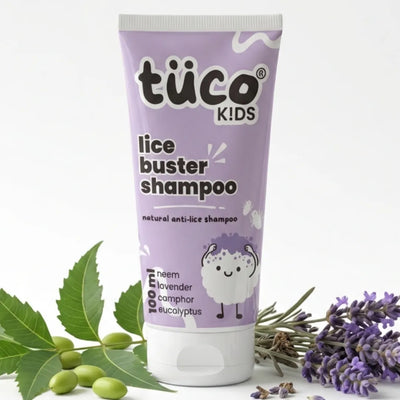
- Reetha Shampoo + Conditioner + Hair Oil
- Natural approach to lice prevention/treatment
- Gentle on hair, tough on lice
Why complete kits work better:
- Formulated to complement each other
- Simplified shopping (no guesswork)
- Better value
- Coordinated care = better results
Step 3: Establish Washing Frequency
Be Consistent with Wash Days: Set a regular hair washing schedule, typically every 2-3 days, depending on your child's hair type, age, and activity level. Consistency helps prevent buildup, dryness, and scalp issues, keeping hair fresh and manageable.
Age and activity considerations:
Young children (3-6 years):
- 2-3 times weekly usually sufficient
- Less active, less oil production
- Gentle washing preserves natural oils
School-age (7-12 years):
- 2-4 times weekly
- Increasing activity = more sweat, dirt
- More frequent if sports, swimming
Teens:
- 3-5 times weekly (or daily if very oily)
- Hormonal changes = increased oil
- May need daily washing for comfort
Hair type adjustments:
- Straight/oily: More frequent (every 1-2 days)
- Curly/coily/dry: Less frequent (2-3 times weekly)
- Normal: 2-3 times weekly baseline
The balance: Enough to keep clean, not so much that hair dries out.
Step 4: Proper Washing Technique
Effective cleansing without damage:
Step-by-step washing:
- Pre-brush: Remove tangles before wetting (easier than after)
- Wet thoroughly: Lukewarm water (hot strips oils)
-
Shampoo application:
- Use the Right Amount of Product: When it comes to kids shampoo and conditioner, a little goes a long way. Using a small amount of product ensures sufficient cleanup without causing buildup or irritation.
- Coin-sized amount (quarter or 10-rupee coin)
- Excess product can lead to dryness, so try to use a coin-sized amount of each product
- Apply to scalp (not lengths)
- Massage gently with fingertips (not nails)
- Focus on roots (where oil, dirt accumulate)
- Rinse thoroughly: No residue (residue = dullness, irritation)
-
Condition:
- Apply to lengths and ends (not scalp for most hair types)
- Leave 1-2 minutes
- Rinse completely
- Final rinse: Cool water (closes cuticle, adds shine)
Gentle approach: Children's hair delicate—no rough scrubbing, harsh handling.
Step 5: Detangling the Right Way
Practise Gentle Detangling Techniques: Use a wide-tooth comb or detangle brush to manage knots with care—especially on curly or long hair. Always comb starting from the tips and work your way upwards to avoid pulling or breakage, and consider applying hair oil or serum to ease the process.
Proper technique prevents:
- Breakage (hair snapping from tension)
- Pain (pulling on scalp)
- Tears (emotional response to pain)
- Damage (weakening hair structure)
The right approach:
Tools:
- Wide-tooth comb (gentle, won't catch/pull)
- Detangling brush (specifically designed flexible bristles)
- Never: Fine-tooth comb on wet hair (most fragile state)
Technique:
- Apply detangler spray generously
- Wait 30 seconds (allows product to work)
- Section hair (work in manageable portions)
- Start at tips (bottom inch)
- Gently work out knots
- Move upward gradually (next inch, then next)
- Finally comb from roots to tips
- Be patient—rushing causes breakage
Why this works: Prevents small tangles from tightening into impossible knots.
Step 6: Drying and Styling
Gentle handling when hair most vulnerable:
Drying:
- Pat dry with soft towel (don't rub vigorously)
- Squeeze out excess water gently
- Air dry when possible (heat = damage)
- If blow-drying: Cool setting, not too close
Styling considerations:
- Minimal heat (avoid flat irons, curling irons on children)
- Loose hairstyles (tight ponytails = traction damage)
- Avoid: Pulling, excessive tension, daily tight styles
- Change style daily (prevents stress on same areas)
Step 7: Weekly/Monthly Treatments
Enhanced care for optimal health:
Weekly oil treatment (1x per week):
- Apply hair oil to scalp and lengths
- Massage gently
- Leave 30 minutes to few hours
- Wash out with regular routine
- Benefit: Deep nourishment, scalp health
Deep conditioning (1-2x monthly):
- More intensive than daily conditioner
- Leave on longer (5-10 minutes)
- Provides extra moisture for dry, damaged hair
Tips for a Successful Haircare Routine
Making it sustainable:
1. Make It Age-Appropriate
Young children (3-6):
- Simple 2-step routine (shampoo, conditioner)
- Fun, game-like (bubble beards, counting to 10)
- Parent does most work
- Quick (short attention spans)
School-age (7-12):
- Teaching techniques, building independence
- 3-4 step routine (shampoo, condition, detangle, optional oil)
- Supervised initially, then independent
- Explain why each step matters
Teens:
- Full independence with guidance
- Complete routine including treatments
- May add styling products
- Address specific concerns (dandruff, oiliness)
2. Create Positive Associations
Avoiding battles:
- Never force (creates negative associations)
- Praise cooperation
- Let child choose products (within appropriate options)
- Music, stories during routine
- Gentle always (painful = resistance)
Result: Haircare becomes pleasant habit, not dreaded chore.
3. Choose Kid-Friendly Products
Opt for products specifically designed for children's hair. These products are often free from harsh chemicals, formulated to be gentle and nourish delicate hair and scalps with gentle and naturally-derived ingredients.
Why children's products different:
- Gentler surfactants (less irritating)
- Appropriate pH (matches children's scalp)
- Tear-free formulas (reduces eye stinging)
- Pleasant scents (not overpowering)
- Safe ingredients (no harsh chemicals)
What to avoid:
- Adult products (too strong)
- Harsh sulfates (stripping)
- Artificial fragrances (allergen risk)
- Parabens, silicones (unnecessary)
4. Be Consistent But Flexible
Consistency benefits:
- Habit formation (becomes automatic)
- Cumulative improvements (results over time)
- Prevents major issues (small problems addressed before worsening)
Flexibility when needed:
- Sick days (shorter routine acceptable)
- Travel (adapt with travel sizes)
- Special circumstances (very tired child = simplified routine)
Balance: Regular routine as foundation, adaptations as needed.
5. Monitor and Adjust
Regular assessment:
- Is hair healthier? (shine, softness, strength)
- Any new issues? (dryness, oiliness, dandruff)
- Products still working? (as child grows, needs change)
- Routine still sustainable? (too complex = abandonment)
Adjust based on:
- Seasonal changes (winter dryness, summer oiliness)
- Growth/development (hormonal changes)
- Activity level changes (new sport = more washing)
- Hair length changes (longer = different needs)
Complete Haircare Systems for Different Needs
Coordinated solutions:
For General Healthy Hair
- Complete 4-product system
- Everything needed for daily care
- Shampoo + Conditioner + Oil + Detangler
- Best for establishing first routine
For Dandruff-Prone Scalps
- Targeted dandruff treatment
- Flake Fighter Shampoo + Conditioner
- Addresses scalp issues while conditioning
Related guidance:
- From What Age Can Kids Use Dandruff Shampoo
- How To Get Rid Of Dandruff In Kids
- Best Anti-Dandruff Shampoo for Kids
For Lice Prevention/Treatment
- Natural approach
- Reetha (soapnut)-based
- Gentle yet effective
Common Challenges and Solutions
Overcoming obstacles:
Challenge 1: "My Child Hates Hair Washing"
Solutions:
- Make it fun (games, songs, toys in bath)
- Use tear-free products (no stinging)
- Warm comfortable water (not too hot/cold)
- Quick efficient routine (minimize time)
- Reward cooperation (praise, stickers)
- Let them participate (squeeze bottle, count rinses)
Challenge 2: "We Don't Have Time for Complex Routines"
Solutions:
- Simplify (2-3 products maximum for young children)
- Complete kits (no shopping confusion)
- Evening routine (not rushed mornings)
- Batch tasks (wash multiple children together)
- Realistic expectations (perfect not required)
Challenge 3: "Products Don't Seem to Work"
Solutions:
- Give time (2-4 weeks for visible improvement)
- Check application (using correctly?)
- Verify product match (right for hair type?)
- Consider water quality (hard water affects results)
- Consult professional if persistent issues
Challenge 4: "Too Expensive to Maintain"
Solutions:
- Small amounts go far (coin-sized portions)
- Complete kits better value than individual products
- Prevents costly damage (healthy hair = fewer treatments)
- Investment in health (not luxury)
- Quality over quantity (fewer good products > many poor ones)
The Bottom Line
Haircare for kids: Simple habits, lasting benefits.
Key Takeaways
Why haircare routines for kids matter: ✓ Prevents dryness, breakage ✓ Reduces scalp issues (dandruff, irritation) ✓ Promotes healthy hair growth ✓ Eases detangling (no more battles) ✓ Boosts shine, manageability, confidence
Essential routine components: ✓ Gentle sulphate-free shampoo ✓ Nourishing conditioner ✓ Detangler spray (for longer hair) ✓ Optional: Hair oil, specialized treatments ✓ Complete kits: Ultimate Hair Care Kit, Anti-Dandruff Kit
Success tips: ✓ Consistent wash schedule (every 2-3 days typically) ✓ Small product amounts (coin-sized) ✓ Gentle detangling (tips to roots, wide-tooth comb) ✓ Age-appropriate products (children-specific formulations) ✓ Make it positive (fun, not forced)
Best practices: ✓ Choose kid-friendly products ✓ Be consistent but flexible ✓ Teach proper techniques ✓ Monitor and adjust as needed ✓ Build independence gradually
The Core Message
🌟 Happy Hair Starts with the Right Routine
Establishing a regular hair care routine for your child is essential for maintaining healthy, beautiful hair. By incorporating kid-friendly products—gentle shampoos for kids, anti-dandruff treatments, nourishing conditioner, detangler, and hair oil—into their routine, you can address common hair and scalp concerns with ease.
The transformation:
- From: Tangled, dull, difficult hair + daily battles
- To: Smooth, shiny, manageable hair + stress-free routines
The key is to stay consistent, be gentle, and choose products made with kids in mind. With just a bit of care and the right routine, daily kiddy hair care becomes a smooth, stress-free part of your child's day, one they may even start to enjoy!
Your child deserves:
- Comfortable, healthy hair
- Confidence in appearance
- Positive self-care habits
- Stress-free mornings
All achievable with simple, consistent children's haircare routine using quality products designed specifically for their unique needs.
Start today: Choose appropriate products, establish simple routine, be patient with process. Within weeks, you'll see transformation—healthier hair, easier mornings, happier child.
Because healthy hair isn't luxury—it's foundation for confidence, comfort, and lifelong positive self-care habits.
Related Resources: