






Ganesh Chaturthi Costume & Dress-Up Ideas for Kids
Picking a ganesh chaturthi costume for kids is usually less about finding something impressive and more about finding something a child can actually sit, run, and eat prasad in without complaint by hour three. Festival photos favor the outfit; the actual day favors comfort, and the best choices manage both.
There's also real regional variety worth knowing before you shop. A ganpati dress for kids in a Maharashtrian household often looks quite different from one in a Karnataka or Andhra household, and neither is "more correct" than the other — they're just different regional traditions worth understanding on their own terms.
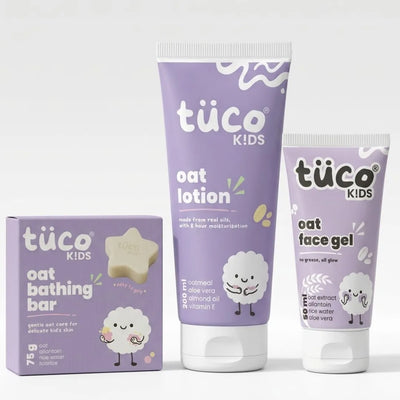
Tuco Kids tip: New festive fabric worn for hours at a stretch is a common, if minor, source of skin irritation — a light cotton layer underneath helps more than people expect.

Contents
- Traditional Outfits, by Region
- Balancing Comfort and Tradition
- Dressing Up as Ganesha: A Different Kind of Costume
- Fabric Choices That Actually Hold Up All Day
- What Works Best by Age
- A Quick Word on Skin Comfort
- FAQs
- Related Reads
Traditional Outfits, by Region
In Maharashtra, where Ganesh Chaturthi is arguably at its most elaborate, boys traditionally wear a dhoti-kurta or a simple kurta-pajama, sometimes topped with a pheta (a Maharashtrian turban) for older kids taking part in processions or family photos. Girls often wear a paithani-style saree or a lehenga in the same rich, traditional colors — deep greens, maroons, and golds are especially popular, echoing the colors associated with the festival itself. In Karnataka, where the festival is called Ganesh Habba, kids are frequently dressed in silk pattu langa-davani for girls and dhoti-kurta or panche for boys, following a South Indian silk-sari aesthetic rather than the Maharashtrian one. Gujarati and North Indian households often lean toward a simpler kurta-pajama or a colorful lehenga-choli, without the region-specific formality of the Maharashtrian or Karnataka traditions.
None of this is rigid — plenty of families mix traditions, especially in cities with mixed-heritage households or friend groups, and a lot of what actually gets worn depends more on what's already in the closet from a wedding or a previous festival than on strict regional rules. Knowing the traditional reference points is useful context, not a checklist to follow exactly.
Balancing Comfort and Tradition
ganesh chaturthi outfit ideas that look stunning in a lookbook don't always survive a real festival day — stiff brocade, tight cholis, and elaborate layering can turn genuinely uncomfortable by the second hour of a home pooja, let alone a full day that includes visiting other households. A useful middle ground is choosing traditional silhouettes in more breathable, softer fabric — a cotton-silk blend kurta instead of pure heavy silk, a lehenga with a comfortable elastic waistband instead of a fitted zip closure. The outfit still reads as traditional and festive in photos, but the child isn't fighting their own clothes by evening.
It's also worth having a slightly less formal backup for the more physically active parts of the day — helping with modak-making, playing with cousins, sitting through a longer aarti on the floor. Some families change kids into a simpler kurta or comfortable everyday clothes for the middle of the day and back into the more elaborate outfit for evening visiting, which sounds like extra effort but often saves a lot of mid-day meltdowns over an uncomfortable outfit.
Dressing Up as Ganesha: A Different Kind of Costume
Separate from traditional festive wear, a lot of schools and community events around Ganesh Chaturthi involve kids dressing up as Ganesha himself for a skit, a school event, or a community program — a genuinely different costume challenge from a festive outfit meant for the pooja. A basic approach uses a plain kurta or dhoti as the base, with a simple elephant-mask or trunk piece (often made at home from paper mache or foam rather than bought) as the defining feature, plus a few gold or yellow fabric accents to suggest crown and jewelry without needing an elaborate, uncomfortable full costume. For younger kids especially, keeping the mask lightweight and leaving the face mostly visible tends to work better than a heavy, enclosing costume piece, both for comfort and so the child doesn't get overwhelmed wearing something that restricts their vision or breathing for an extended performance.
Fabric Choices That Actually Hold Up All Day
Early September, when Ganesh Chaturthi usually falls, is still warm and often humid across most of India, which makes fabric choice a bigger practical factor than it might seem. Pure silk and heavy brocade look wonderful but trap heat and can feel stifling by midday; cotton-silk blends, mul cotton, and lighter georgette options hold up far better across a full day of activity while still looking appropriately festive. Darker, richer colors (which are traditional and popular for the festival) also tend to show heat and sweat less than pale colors, which is a small practical bonus alongside the traditional color symbolism.
What Works Best by Age
Toddlers are best in simple, stretchy, easy-to-remove outfits — an elaborate lehenga or a dhoti with a lot of pleating and tucking sounds nice in theory but is a genuine hassle for a toddler who needs a diaper change or a bathroom trip mid-event, and toddlers have little patience for being fussed over in complicated clothing anyway. School-age kids can generally handle a more traditional outfit for a few hours, especially if there's a comfortable backup for the more active parts of the day. Pre-teens, who are often more invested in how they look and more capable of tolerating a slightly less comfortable outfit for the sake of appearance, can usually handle closer-to-adult traditional wear without much fuss.
A Quick Word on Skin Comfort
New, stiff festive fabric worn for hours — especially with tight waistbands, blouse seams, or unfamiliar embroidery rubbing against skin — is a common, minor source of irritation that's easy to prevent and annoying to deal with after the fact. A soft cotton layer underneath more elaborate outer clothing reduces direct friction, and it's worth changing out of festive wear reasonably promptly once the main event is over rather than leaving a child in a tight or stiff outfit for the rest of the evening out of habit. If skin under a waistband or seam looks a little red by evening, it typically resolves on its own within a day once the clothing is off and the area is gently cleansed.
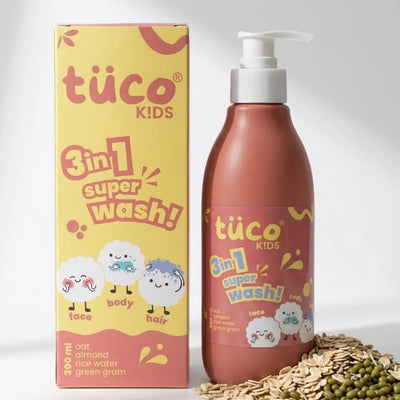
Shop 3-in-1 Oat Kit →
FAQs
What's a comfortable ganesh chaturthi costume for kids that still looks traditional?
A traditional silhouette in a softer, breathable fabric — like a cotton-silk kurta instead of heavy silk — usually holds up better across a full festival day than a stiffer, more formal option.
Does a ganpati dress for kids need to match a specific regional style?
Not necessarily — while Maharashtra, Karnataka, and Gujarat each have distinct traditional styles, many families mix traditions or simply use what's already available.
What are some ganesh chaturthi outfit ideas for very active toddlers?
Simple, stretchy outfits without a lot of pleating or tucking work best for toddlers, since elaborate traditional wear is genuinely difficult to manage for diaper changes or general mobility.
How do I make a simple Ganesha costume for a school performance?
A plain kurta or dhoti base with a lightweight elephant-mask or trunk piece and a few gold fabric accents works well without needing an elaborate, heavy costume.
What fabric holds up best for a full day of festival activities?
Cotton-silk blends, mul cotton, and lighter georgette tend to hold up better in early September heat than pure silk or heavy brocade.
Why does my child's skin look irritated after wearing festive clothes all day?
Stiff new fabric, tight waistbands, and unfamiliar embroidery worn for hours can cause friction-related irritation, which usually resolves quickly once the clothing is removed.
Should kids wear their festive outfit for the entire day?
Many families switch to more comfortable everyday clothes for the middle of the day and back into festive wear for evening visiting, which helps avoid mid-day discomfort.