



DIY Skincare Recipes for Kids in India: Turmeric and Tulsi Natural Remedies
Your mother-in-law insists: "Just mix turmeric and yogurt—perfect for your daughter's skin!" Your neighbor swears by homemade tulsi paste. Instagram is full of DIY face mask recipes promising glowing skin for children. Meanwhile, you're hesitant. Are these traditional remedies actually safe for your 7-year-old's sensitive skin? Will they work, or could they cause irritation? How do you know which ingredients to use, in what proportions, and how often? And frankly, do you have time to prepare fresh face masks when you're already juggling work, school pickups, and homework supervision?
In the bustling world of parenting, ensuring the well-being of our children takes centre stage. One crucial aspect of their health is skincare, especially in a diverse country like India where weather conditions and pollution levels can vary widely. As parents, we often seek safe and natural solutions to care for our little ones' delicate skin.
But here's what you need to understand before mixing up kitchen ingredients for your child's face: Natural doesn't automatically mean safe or effective. While turmeric and tulsi have been used in Ayurvedic traditions for centuries, DIY skincare for children requires careful consideration—proper proportions, age-appropriate application, realistic expectations, and understanding when professional formulations are safer than homemade preparations.
In this comprehensive guide, we'll explore DIY skincare recipes tailored for Indian kids, harnessing the power of turmeric and tulsi, two traditional ingredients known for their healing properties in Ayurveda—but we'll also discuss the limitations, risks, and when formulated products are the better choice for your child's delicate skin.
Understanding Turmeric and Tulsi: The Traditional Powerhouses
Before mixing ingredients, know what you're working with:
Turmeric (Haldi): The Golden Healer
Botanical identity: Curcuma longa
Traditional use:
- Cornerstone of Indian skincare for millennia
- Used in pre-wedding beautification rituals
- Traditional wound healing
- Anti-inflammatory applications
Active compounds:
- Curcumin: Primary active (anti-inflammatory, antioxidant, antimicrobial)
- Other curcuminoids
- Essential oils
Benefits for skin:
- Anti-inflammatory (reduces redness, irritation)
- Antibacterial (fights acne-causing bacteria)
- Antioxidant (protects from environmental damage)
- Brightening (addresses hyperpigmentation gradually)
- Wound healing support
Turmeric, often hailed as the golden spice, has been a cornerstone of Indian skincare for centuries.
Tulsi (Holy Basil): The Purifying Herb
Botanical identity: Ocimum sanctum / Ocimum tenuiflorum
Traditional significance:
- Sacred plant in Hinduism
- "Queen of Herbs" in Ayurveda
- Used medicinally for thousands of years
- Present in virtually every Indian household
Active compounds:
- Essential oils (eugenol, others)
- Ursolic acid
- Rosmarinic acid
- Antioxidants
Benefits for skin:
- Antimicrobial (fights bacteria, fungi)
- Anti-inflammatory (soothes irritation)
- Antioxidant (environmental protection)
- Purifying (cleanses deeply)
- Stress-reducing aromatherapy effect
When combined with the purifying essence of tulsi, it becomes a potent elixir for youthful and radiant skin.
Why These Ingredients Appeal to Parents
Cultural connection:
- Traditional wisdom passed through generations
- Trust in time-tested remedies
- Cultural identity and practices
- Grandmother's endorsement
Natural appeal:
- Recognizable kitchen ingredients
- "Chemical-free" perception
- Control over what goes on child's skin
- Cost-effective
Perceived safety:
- Food-grade ingredients
- Used traditionally on children
- Natural origin
But: Natural doesn't equal automatically safe—many factors affect safety and efficacy.
DIY Skincare Recipes for Kids in India
Traditional recipes with modern safety considerations:
1. Turmeric and Tulsi Face Mask
The traditional recipe:
Ingredients:
- One teaspoon of turmeric powder
- Handful of fresh tulsi leaves
- Water or carrier (milk, yogurt, honey)
Instructions:
- Combine one teaspoon of turmeric powder with a handful of fresh tulsi leaves
- Blend the ingredients into a smooth paste (add liquid as needed)
- Apply the mask gently to your child's face, avoiding the eyes
- Let it sit for 15 minutes before rinsing with lukewarm water
- This mask helps cleanse and rejuvenate the skin, leaving it radiant and refreshed
Safety considerations for children:
Patch test first (non-negotiable):
- Apply small amount to inner forearm
- Wait 24 hours
- Check for redness, itching, irritation
- Only proceed if completely clear
Turmeric staining concern:
- Turmeric stains skin temporarily (yellow tint)
- More visible on light skin
- Usually fades within hours to a day
- Can stain clothing, towels permanently
- Use old towels, wear old clothes
Application cautions:
- Avoid eyes completely (both ingredients irritate eyes)
- Don't apply to broken skin
- Remove immediately if stinging/burning occurs
- Rinse thoroughly (any residue continues to act)
Frequency: Once weekly maximum for children (not daily—too much can irritate)
Age appropriateness: Generally 6+ years (younger children's skin too sensitive, cooperation difficult)
Better alternatives: Pre-formulated masks designed for children (controlled concentrations, tested safety)
2. Tulsi and Turmeric Body Scrub
The recipe:
Ingredients:
- Equal parts turmeric powder and finely ground oatmeal
- Few drops coconut oil
- Crushed tulsi leaves
Instructions:
- Mix equal parts of turmeric powder and finely ground oatmeal with a few drops of coconut oil
- Add crushed tulsi leaves to the mixture
- Massage the scrub onto damp skin in circular motions
- Rinse thoroughly to reveal soft, exfoliated skin
- This gentle scrub removes dead cells and promotes healthy circulation
Safety considerations:
Exfoliation concerns for children:
- Children's skin thinner than adults'
- Over-exfoliation easily damages
- Gentle pressure only (not vigorous scrubbing)
- Avoid face (too delicate)—body only
Oatmeal benefits:
- Gentle exfoliant
- Soothing (colloidal oatmeal used medicinally)
- Good choice for children's skin
Coconut oil considerations:
- Moisturizing, generally safe
- Can be comedogenic (clogs pores) for some
- Patch test if child prone to breakouts
Application technique:
- Very gentle circular motions
- Damp skin (not dry—too abrasive)
- Rinse immediately if any discomfort
- Moisturize after (exfoliation can be temporarily drying)
Frequency: Every 2-4 weeks maximum (not weekly—children don't need frequent exfoliation)
Age appropriateness: 8+ years (younger children don't need body scrubs)
3. Turmeric and Tulsi Skin Soothing Gel
The recipe:
Ingredients:
- Fresh tulsi leaves
- Water
- Pinch of turmeric powder
Instructions:
- Boil fresh tulsi leaves in water until the water reduces to half its original volume
- Strain the liquid and let it cool
- Add a pinch of turmeric powder to the tulsi-infused water
- Store the mixture in a clean container and refrigerate
- Apply the soothing gel to irritated or sunburned areas for relief
Safety considerations:
Preparation hygiene:
- Clean utensils, containers (bacteria can contaminate)
- Sterilize storage container (boiling water rinse)
- Fresh tulsi leaves (wash thoroughly)
Storage and shelf life:
- Refrigerate immediately
- Use within 3-5 days maximum (no preservatives—spoils quickly)
- Discard if smell changes, mold appears, cloudiness develops
Application appropriateness:
- Minor irritation: May provide cooling, soothing relief
- Sunburn: Better options exist—aloe vera gel more effective
- Not for: Open wounds, severe burns, infections (needs medical care)
Realistic expectations: Provides temporary soothing, not medical treatment
Safer alternative: Commercial aloe vera gel (standardized, preserved, tested) or formulated soothing products for children
The Case for Formulated Products vs. DIY
Why professional formulations often safer and more effective:
Limitations of DIY Skincare for Children
Concentration inconsistency:
- Homemade = guessing proportions
- Too much turmeric = irritation, staining
- Too little = ineffective
- Active compound varies in raw ingredients
Contamination risk:
- No preservatives = bacteria, mold growth
- Short shelf life (days, not months)
- Proper sterilization difficult at home
Unknown interactions:
- Combining ingredients without understanding chemistry
- Potential for unexpected reactions
- No testing for safety
Messy, time-consuming:
- Preparation, application, cleanup
- Hard to sustain long-term
- Children may resist (messy, uncomfortable)
Staining and practical issues:
- Turmeric stains everything
- Scrubs messy for bathroom cleanup
- Children don't sit still for 15-minute masks
Advantages of Formulated Products
Tested safety:
- Clinical testing on children's skin
- Known safe concentrations
- Proper pH balance
- Dermatologist-approved
Consistent efficacy:
- Standardized active ingredient levels
- Quality control
- Predictable results
Convenience:
- Ready to use
- Proper packaging
- Appropriate shelf life with preservatives
- Easy application
Complementary ingredients:
- Balanced formulations
- Multiple beneficial ingredients working synergistically
- Moisturizers, soothing agents included
Child-friendly:
- Pleasant textures
- Non-staining formulations
- Quick application
- Age-appropriate concentrations
Quality Formulated Products with Traditional Ingredients
For turmeric-based skincare:
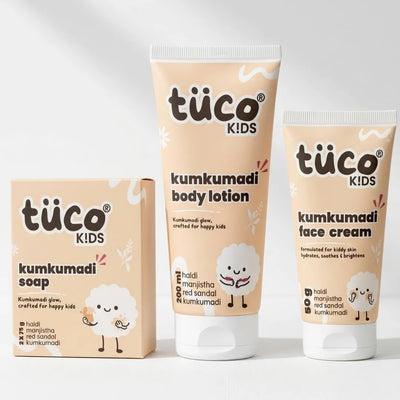
- Kumkumadi Face Cream + Dull Skin Face Wash
- May contain turmeric and other beneficial botanicals
- Professionally formulated for children
- Addresses uneven tone, dullness
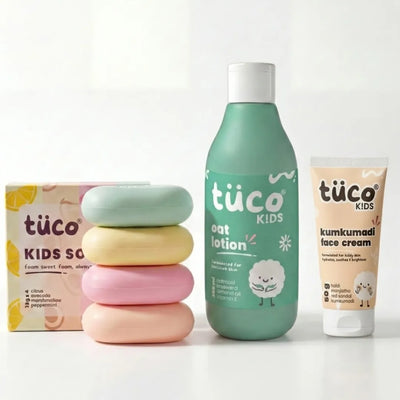
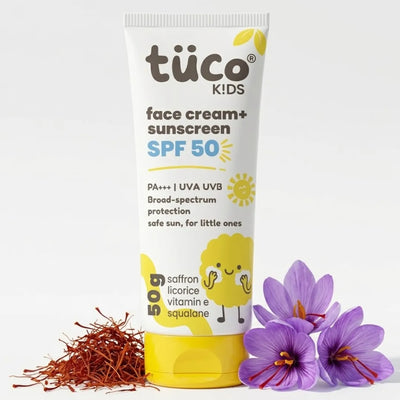
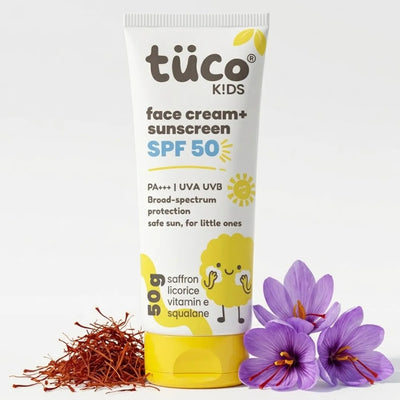
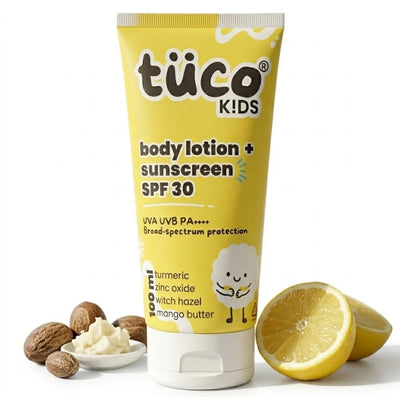
- Complete system: soap, lotion, sunscreen SPF 50, face cleanser
- Likely contains traditional ingredients like turmeric
- Comprehensive care
- All-in-one convenience
- Dull Skin Face Wash + Kumkumadi Face Cream
- Kumkumadi traditional Ayurvedic preparation (includes saffron, herbs)
- Gentle, effective brightening
Benefits over DIY:
- No staining
- Tested safe concentrations
- Convenient
- Consistent results
- Complementary product systems
When DIY Makes Sense
Appropriate scenarios:
- Occasional special treatment (not daily routine)
- Older children/teens who enjoy the process
- Under supervision (parent prepares and applies)
- Supplementary to good basic routine
- Cultural/bonding activity (making masks together)
Not appropriate:
- Primary skincare routine
- Very young children (under 6)
- Children with sensitive skin or allergies
- When consistency needed for specific issue
- As replacement for medical treatment
Parenting Tips for Safe Natural Skincare
If you choose DIY approaches:
Prioritize Safety
Always conduct a patch test before introducing a new skincare product to your child's routine to ensure they don't have any adverse reactions.
Comprehensive patch testing:
- Apply small amount to inner forearm
- Cover with bandage
- Wait 24-48 hours
- Check for redness, itching, swelling, rash
- If clear, try small area of face (behind ear)
- Only proceed if both tests clear
This applies to EVERY new ingredient combination—even if child has used ingredients separately before.
Embrace Consistency
Incorporate these DIY skincare recipes into your child's daily routine for optimal results.
Reality check: Daily DIY difficult to sustain
- Better: Weekly special treatment + daily formulated products
- Consistency with quality formulated products > inconsistent DIY
- Children need simple, quick routines they'll actually follow
Stay Informed
Keep yourself updated on the latest trends and research in natural skincare to make informed choices for your child's well-being.
Quality information sources:
- Pediatric dermatologists
- Evidence-based skincare resources
- Reputable product manufacturers
- Traditional Ayurvedic practitioners (qualified)
Avoid:
- Unverified social media claims
- "Miracle cure" promises
- Anecdotal evidence without science
- One-size-fits-all advice
Recognize Limitations
When DIY isn't enough:
- Persistent skin issues (eczema, severe acne, infections)
- Reactions to homemade products
- Need for consistent treatment
- Medical conditions requiring diagnosis
Consult pediatric dermatologist for:
- Ongoing skin problems
- Severe reactions
- Uncertain diagnosis
- Professional treatment recommendations
Balance Tradition and Science
Respecting traditional wisdom while applying modern knowledge:
- Traditional ingredients can be beneficial
- But formulation, concentration, application matter
- Science helps us use traditional ingredients safely and effectively
- Best approach: Traditional ingredients in scientifically formulated products
Realistic Expectations
What DIY turmeric and tulsi skincare can and cannot do:
What It CAN Do
✓ Provide temporary soothing (cooling sensation) ✓ Mild anti-inflammatory effect (reduces minor redness) ✓ Gentle cleansing (removes some dirt, oil) ✓ Cultural bonding experience (making preparations together) ✓ Moisturizing (when combined with oils, yogurt) ✓ Pleasant aromatic experience (tulsi scent)
What It CANNOT Do
✗ Cure serious skin conditions (eczema, psoriasis, severe acne) ✗ Dramatically transform skin (unrealistic expectations) ✗ Replace proper sun protection ✗ Work instantly (natural ingredients take time, gradual improvement) ✗ Substitute for medical treatment when needed ✗ Guarantee results (individual variation)
Timeline for Results
If using consistently:
- Minor improvements: 2-4 weeks
- Noticeable changes: 6-8 weeks
- Optimal benefits: 2-3 months
If no improvement after 6-8 weeks: Time to try different approach or consult professional.
Complete Care Approach
Combining traditional ingredients with modern formulations:
The Ideal Routine
Daily basics (formulated products):
- Gentle cleanser: Best Kids Soap
- Moisturizer: Moisturizing Soaps for Dry Skin
- Sunscreen: Non-negotiable daily
Weekly special treatment (DIY or formulated):
- Face mask (DIY turmeric-tulsi or formulated)
- Gentle exfoliation (if age-appropriate)
- Intensive moisturizing treatment
Age-specific care:
- Pre-teens/teens: Best Face Washes for Pre-Teens and Teenagers
Complete systems (easiest, most consistent):
- Ultimate Dull Skin Kit: Everything needed in coordinated system
- Kumkumadi Glow Kit: Traditional ingredients, modern formulation
Seasonal Adjustments
Summer (India):
- Lighter formulations
- Emphasis on sun protection
- Cooling treatments (tulsi water rinse)
- More frequent cleansing (sweat, dust)
Monsoon:
- Antifungal care (humidity increases fungal risk)
- Thorough drying
- Mold awareness in stored DIY products
Winter:
- Intensive moisturizing
- Less frequent exfoliation
- Heavier oils if needed
The Bottom Line
Balancing tradition, science, and practicality:
Key Takeaways
DIY skincare with turmeric and tulsi: ✓ Traditional ingredients with real benefits ✓ Can be part of skincare routine (supplementary) ✓ Cultural and bonding value ✓ Cost-effective for occasional use
But limitations exist: ✗ Inconsistent concentrations ✗ Contamination and shelf-life risks ✗ Staining and practical challenges ✗ Not suitable for very young children ✗ Hard to sustain as primary routine
Best approach for most families: ✓ Quality formulated products with traditional ingredients as foundation ✓ Occasional DIY treatments as supplements or special activities ✓ Safety always prioritized over tradition ✓ Professional help when needed
The Practical Reality
In a world inundated with synthetic skincare solutions, going back to our roots proves to be the ultimate act of love for our children.
But: "Going back to roots" doesn't mean rejecting modern science—it means combining traditional wisdom with modern safety and convenience.
With DIY skincare recipes infused with the goodness of turmeric and tulsi, we embark on a journey of holistic wellness, nurturing not just their skin but their spirits as well.
More realistic: With quality formulated products containing traditional ingredients PLUS occasional DIY experiences, we give children the best of both worlds—effective, safe daily care AND cultural connection.
The Choice That Works
For daily routine: Ultimate Dull Skin Kit or Kumkumadi Glow Kit
- Professional formulations
- Traditional ingredients
- Safe, tested concentrations
- Convenient, consistent
For special occasions: DIY turmeric-tulsi mask
- Bonding activity
- Cultural tradition
- Occasional supplement to routine
- With proper safety precautions
This combination gives you:
- Effectiveness and safety (daily formulated products)
- Cultural connection (occasional DIY)
- Convenience (sustainable long-term)
- Peace of mind (tested, proven)
Moving Forward
Your child doesn't need complicated DIY routines every day—they need consistent, gentle, effective care using products that work and that they'll actually use.
Turmeric and tulsi are wonderful ingredients—best delivered through properly formulated products designed for children's skin, supplemented occasionally with carefully prepared DIY treatments when you have time and inclination.
Let's embrace the simplicity of nature and celebrate the timeless wisdom of Ayurveda in caring for our little ones' precious skin—not by rejecting modern science, but by combining ancient wisdom with contemporary safety and convenience.
Because the best skincare for your child is whatever keeps their skin healthy, comfortable, and protected—whether that comes from your kitchen, a carefully formulated product, or most likely, a smart combination of both.
Related Resources: