



Cold Sores in Kids During Winter: Triggers and Care
Winter is when many parents first notice cold sores appearing around a child's mouth — and understanding what actually causes them, versus what's simply chapped winter lips, makes a real difference in how you respond.
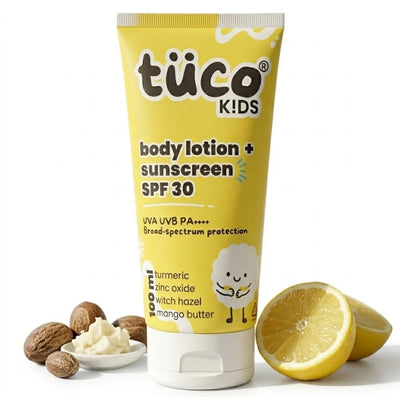
Tuco Kids tip: While a cold sore itself needs proper care, keeping the surrounding lip skin gently moisturized supports comfort during an outbreak.
Shop Deep Moisture Body Lotion →

Contents
- Quick Comparison: Cold Sores vs. Chapped Winter Lips
- What Actually Causes Cold Sores
- Why Cold Sores Seem More Common in Winter
- Recognizing Cold Sore Symptoms
- Cold Sores vs. Chapped Lips vs. Canker Sores
- Supporting Comfort During an Outbreak
- Reducing Future Outbreaks
- What Cold Sore Treatment Typically Involves
- Protecting Lips Proactively This Winter
- Quick Recap
- When to See a Doctor
- FAQs
- Related Reads
Quick Comparison: Cold Sores vs. Chapped Winter Lips
| Feature | Cold Sore | Chapped Winter Lips |
|---|---|---|
| Cause | Herpes simplex virus (HSV-1) | Dry, cold air and moisture loss |
| Appearance | Small, fluid-filled blisters, usually clustered | Dry, cracked, flaky skin without blisters |
| Location | Typically at the edge of the lip or just outside it | Across the whole lip surface |
| Contagious? | Yes, especially during an active outbreak | No |
| Care approach | Antiviral guidance from a doctor or pharmacist | Rich lip and skin moisturizer |
What Actually Causes Cold Sores
Cold sores are caused by the herpes simplex virus, most commonly type 1 (HSV-1) — not by cold weather itself, despite the name. Once a child is exposed to the virus, usually through close contact like a kiss from a family member or shared utensils, it can remain dormant in the body indefinitely and reactivate periodically, triggering a visible outbreak. This is an important distinction for parents to understand: cold, dry weather doesn't cause cold sores from nothing, but it can act as one of several possible triggers for a reactivation in a child who already carries the virus.
Why Cold Sores Seem More Common in Winter
Several genuine winter-specific factors can trigger a cold sore causes reactivation in kids who already carry HSV-1: cold, dry wind can irritate and weaken the delicate lip-area skin, sun exposure (which still occurs on bright winter days, especially at higher altitudes or reflected off snow) is a well-documented trigger, and the general immune stress of cold-and-flu season can also play a role, since the virus tends to reactivate more easily when the immune system is already occupied fighting something else. None of these factors "cause" the underlying infection — they simply increase the odds of an existing dormant virus becoming active again.
Recognizing Cold Sore Symptoms
Typical cold sore symptoms often begin with a tingling, itching, or burning sensation at the edge of the lip, sometimes a day or two before any visible blister appears. This is followed by one or more small, fluid-filled blisters that eventually burst and crust over before healing, usually over a one-to-two-week course. Some kids also experience mild fever, swollen glands, or general discomfort with a first-time outbreak specifically, though recurrent outbreaks in the same child tend to be milder and more localized to the lip area alone.
Cold Sores vs. Chapped Lips vs. Canker Sores
Chapped lips from winter weather look dry, cracked, and flaky across the whole lip surface, without the clustered blistering typical of a cold sore, and they're not contagious. Canker sores, another commonly confused condition, appear inside the mouth rather than on the outer lip edge, are not caused by a virus, and are also not contagious. Telling these apart matters practically: chapped lips respond well to a rich moisturizing balm, while a genuine cold sore needs antiviral guidance rather than moisturizer alone, and canker sores generally need neither, resolving on their own with basic oral hygiene.
Supporting Comfort During an Outbreak
While a cold sore itself is best addressed with guidance from a doctor or pharmacist (who may recommend an appropriate antiviral cream depending on your child's age and the outbreak's severity), you can support overall comfort during an outbreak by keeping the surrounding, unaffected lip and facial skin gently moisturized, since dry, cracked skin nearby can add unnecessary discomfort on top of the sore itself. Avoid picking or scratching at a cold sore, which can worsen it and increase the risk of spreading the virus to other areas or people. Using a child's own separate lip product during an active outbreak, rather than a shared family tube, helps reduce the chance of spreading the virus to siblings or parents.
Reducing Future Outbreaks
For a child known to carry HSV-1, reducing exposure to common triggers can lower how often outbreaks recur: protecting lips from harsh winter wind and sun with a good lip balm, managing overall stress and ensuring adequate rest (particularly during cold-and-flu season, when the immune system is already busy), and avoiding known personal triggers your child's doctor may have identified. It's worth remembering that outbreak frequency varies enormously between kids, and some children who carry the virus rarely or never experience visible outbreaks at all.
What Cold Sore Treatment Typically Involves
Genuine cold sore treatment for kids usually starts with a doctor or pharmacist's assessment, since options and dosing depend heavily on your child's age and the outbreak's timing and severity. For outbreaks caught early, during the initial tingling stage, an antiviral cream recommended by a healthcare provider can sometimes shorten how long a sore lasts. For most straightforward cases, treatment is largely supportive — keeping the area clean, avoiding picking, and letting it heal on its own timeline over one to two weeks — rather than requiring intensive intervention. It's worth being cautious about home remedies circulating online that aren't grounded in actual antiviral guidance, since these can sometimes irritate the area further without addressing the underlying virus.
Protecting Lips Proactively This Winter
Since winter wind and sun are genuine triggers for outbreaks in kids who already carry HSV-1, proactive lip protection through the season is a reasonable, low-effort preventive step. A consistent, gentle lip balm used daily — not just when lips already feel dry or chapped — helps shield the delicate lip-area skin from some of the environmental stress that can contribute to a reactivation. This same habit also supports simple chapped-lip prevention regardless of cold sore history, making it a worthwhile addition to a winter routine either way.
Quick Recap
Cold sores are caused by HSV-1, not by cold weather itself, though winter wind, sun, and immune stress can trigger a reactivation in kids who already carry the virus. They're distinct from chapped lips and canker sores, are contagious during an outbreak, and are best managed with guidance from a doctor or pharmacist alongside gentle care for the surrounding skin.
The most useful mindset for parents is separating what's genuinely a home-care matter (comfort for surrounding skin, hygiene, proactive lip protection) from what needs a doctor's input (diagnosis, antiviral treatment decisions, and monitoring for any unusual features). Getting this distinction right means kids get appropriate medical care for the virus itself while still benefiting from simple, sensible comfort measures at home during an outbreak.
When to See a Doctor
See a doctor for a child's first suspected cold sore, since proper diagnosis and guidance on antiviral treatment options genuinely matter, especially for very young children. See a doctor promptly if a sore spreads significantly, if your child develops a high fever alongside the outbreak, if the sore doesn't begin healing within two weeks, if it appears near the eye (which needs urgent evaluation), or if outbreaks are frequent enough to affect your child's comfort or confidence regularly, since a doctor can discuss preventive options in that case.
FAQs
What actually causes cold sores in kids?
The herpes simplex virus (HSV-1), usually acquired through close contact like a kiss — cold weather doesn't cause the underlying infection but can trigger a reactivation in a child who already carries the virus.
Why do cold sores seem to happen more in winter?
Cold, dry wind, winter sun exposure, and the general immune stress of cold-and-flu season can all act as triggers for reactivating a dormant HSV-1 infection.
What are the first symptoms of a cold sore?
Often a tingling, itching, or burning sensation at the lip edge a day or two before a visible, fluid-filled blister appears.
How can I tell a cold sore apart from chapped lips?
Cold sores appear as clustered blisters typically at the lip's edge and are contagious; chapped lips are dry and cracked across the whole lip surface without blistering, and aren't contagious.
Are cold sores contagious?
Yes, especially during an active outbreak — avoiding shared utensils, cups, and lip products during this time helps reduce the risk of spreading it.
Can a moisturizer treat a cold sore?
No — a cold sore itself needs guidance from a doctor or pharmacist on appropriate antiviral care. A gentle moisturizer can support comfort on the surrounding, unaffected skin.
How can I reduce how often my child gets cold sores?
Protecting lips from wind and sun, managing stress and rest, and avoiding known personal triggers can help reduce recurrence, though frequency varies a lot between individual kids.
When should I take my child to a doctor for a cold sore?
For any first suspected cold sore, and promptly if it spreads significantly, comes with high fever, appears near the eye, doesn't heal within two weeks, or recurs frequently.
Can I prevent my child from ever getting cold sores?
Not entirely, if they've already been exposed to HSV-1 — the virus stays dormant in the body long-term, but protecting lips from wind and sun and managing overall health can reduce how often outbreaks recur.
Should siblings avoid sharing items during a cold sore outbreak?
Yes — avoiding shared cups, utensils, towels, and lip products during an active outbreak is a sensible precaution, since the virus is genuinely contagious at that stage.
Does stress or lack of sleep really trigger cold sore outbreaks?
It's a commonly reported trigger — general immune stress from poor sleep, illness, or emotional stress can make an existing dormant infection more likely to reactivate in some kids.
Can adults in the family also get cold sores from their child?
Yes, since the virus spreads through close contact — practicing good hygiene and avoiding shared items during an active outbreak protects the whole family, not just siblings.