



Almond Uses, Benefits & Side Effects
Your daughter's pediatrician suggests adding almonds to her diet. Your mother-in-law insists almond oil is the secret to thick, lustrous hair and glowing skin. Health magazines tout almonds as a superfood. But you're overwhelmed—how much should children actually eat? Is almond oil safe for young scalps? Your son has a friend with a severe nut allergy, making you paranoid about introducing almonds. Can almond milk replace regular milk? And honestly, with so many "miracle" ingredients promoted everywhere, are almonds genuinely beneficial for children, or is this just another overhyped trend?
Almond, scientifically known as Prunus dulcis, is a versatile and nutritious nut cherished for its delicious taste and numerous health benefits. The evidence is compelling: Almonds rank among the most nutrient-dense foods globally, packed with protein, healthy fats, vitamins, and minerals that support children's developing bodies.
In Indian languages, it is commonly referred to as "Badam." This beloved ingredient holds deep cultural significance—traditionally given to children for brain development, mixed into milk for strength, and applied as oil for beautiful hair.
Almonds are packed with essential nutrients, making them a valuable ingredient for maintaining the health and radiance of your skin and hair. This comprehensive guide explores almond benefits for children—nutritional value, uses for skin and hair care, safe consumption amounts, precautions including nut allergies, and incorporating almonds into daily routines—because understanding this powerful natural ingredient helps you make informed decisions for your child's health.
What Are Almonds? Understanding This Nutritious Nut
The basics:
Botanical Identity
Scientific name: Prunus dulcis (formerly Prunus amygdalus)
Common names:
- English: Almond
- Hindi: Badam
- Tamil: Badam, Vathumai
- Telugu: Badam Pappu
- Kannada: Badami
Plant origin: Tree nut (seed of almond tree fruit)
Varieties:
- Sweet almonds: Edible, nutritious (most common)
- Bitter almonds: Contain compounds toxic when raw (not for direct consumption)
Forms available:
- Raw whole almonds
- Roasted almonds
- Sliced/slivered almonds
- Almond flour
- Almond oil (for topical and culinary use)
- Almond milk (dairy alternative)
- Almond butter
Nutritional Profile
Why almonds are considered a superfood:
Key nutrients per 1 oz (28g, ~23 almonds):
- Protein: 6g (building blocks for growth)
- Healthy fats: 14g (primarily monounsaturated—heart-healthy)
- Fiber: 3.5g (digestive health)
- Vitamin E: 7.3mg (37% daily value—powerful antioxidant)
- Magnesium: 76mg (bone health, energy)
- Calcium: 76mg (bone development)
- Iron: 1mg (oxygen transport)
- Zinc: 0.9mg (immune function)
Also contains: B vitamins, phosphorus, copper, manganese
Low in: Sugar, sodium
The powerhouse nutrient: Vitamin E for skin—almonds contain more vitamin E than most other nuts, making them exceptional for skin health, antioxidant protection, and cellular repair.
Almond Uses & Benefits for Children
Comprehensive advantages:
For Skin Health
1. Skin Nourishment and Hydration
Almond oil deeply moisturises and nourishes the skin, leaving it soft, supple, and radiant.
How it works:
- Almond for skin: Rich in fatty acids (oleic, linoleic acids)
- Skin hydration: Penetrates deeply, locks in moisture
- Emollient properties: Smooths rough, dry patches
- Natural skincare: Gentle enough for children's sensitive skin
Applications for kids:
- Dry skin treatment: Massage almond oil into dry areas (elbows, knees, cheeks)
- Winter skin protection
- Eczema-prone skin (with medical supervision)
- Post-bath moisturizing
2. Antioxidant Protection
The high content of vitamin E in almonds helps protect the skin and hair from oxidative damage caused by free radicals.
Vitamin E benefits:
- Antioxidants: Neutralize free radicals (pollution, UV exposure)
- Prevents premature aging
- Supports skin repair, healing
- Reduces inflammation
For children specifically: Protection during high outdoor activity, pollution exposure, sun damage prevention.
3. Even Skin Tone
Almond benefits for skin:
- Reduces dark circles (gentle application under eyes)
- Lightens mild hyperpigmentation
- Evens overall skin tone
- Improves complexion
Natural beauty tips: Mix almond oil with honey for gentle face mask (10-15 minutes, rinse).
For Hair Health
1. Hair Strength and Luster
Almond oil strengthens hair strands, promotes hair growth, and adds a natural shine.
Hair nourishment mechanisms:
- Almond for hair: Proteins strengthen hair structure
- Hair growth remedy: Nourishes follicles, supports healthy growth
- Fatty acids seal cuticle (reduces breakage, frizz)
- Adds natural luster without greasiness
Applications for kids:
- Pre-wash oil treatment
- Leave-in conditioner (small amounts on ends)
- Detangling aid
- Frizz control
2. Scalp Health
Scalp Health: Almond oil soothes a dry and itchy scalp, reduces dandruff, and enhances overall scalp health.
Scalp care benefits:
- Dandruff remedy: Anti-inflammatory properties reduce flaking
- Soothes itching, irritation
- Moisturizes dry scalp
- Improves circulation (when massaged)
For children: Gentle enough for regular use, addresses common scalp issues without harsh chemicals.
For Overall Health
1. Brain Development
Traditional belief validated by science:
- Healthy diet foods: Almonds support cognitive function
- Vitamin E protects brain cells
- Healthy fats support neural development
- Magnesium aids learning, memory
Indian tradition: Giving children soaked almonds in morning for "brain power"—scientifically supported!
2. Nutritional Support
As a healthy snack:
- Protein: Supports growth, muscle development
- Healthy fats: Energy, hormone production
- Fiber: Digestive health, satiety
- Minerals: Bone development, immune function
3. Heart Health Foundation
Building lifelong healthy habits:
- Monounsaturated fats reduce bad cholesterol
- Antioxidants protect cardiovascular system
- Establishing healthy snack patterns early
Recommended Dosage of Almond for Children
Safe consumption amounts:
Enjoy the benefits of almonds by incorporating them into your routine:
1. Almond Snacks (Eating Whole Almonds)
Almond Snacks: Consume a handful of raw almonds as a healthy snack between meals.
Age-specific amounts:
Ages 1-3 years:
- 2-4 almonds daily
- Must be finely chopped or ground (choking hazard if whole)
- Soaked preferred (easier digestion)
Ages 4-8 years:
- 5-8 almonds daily
- Can eat whole if chewing well
- Raw or lightly roasted
Ages 9-13 years:
- 8-12 almonds daily
- Raw, roasted, or as almond butter
Teens (14+ years):
- 10-15 almonds daily (approaching adult portion)
- Approximately 1 oz (28g)
Preparation tips:
- Soaking: Soak overnight, remove skin—easier digestion, enhanced nutrient absorption
- Raw vs. roasted: Both nutritious; roasted more appealing to some children
- Timing: Between meals as healthy snack, or with breakfast
2. Almond Milk
Almond Milk: Incorporate almond milk into your diet as a dairy alternative or use it in smoothies, cereals, or coffee.
Almond milk benefits:
- Dairy-free alternative (lactose intolerance, vegan diets)
- Lower calories than cow's milk
- Naturally lactose-free
- Fortified versions provide calcium, vitamin D
For children:
- Ages 2+: Can replace cow's milk if properly fortified
- 1 cup daily as part of balanced diet
- Choose unsweetened varieties (less added sugar)
- Ensure adequate calcium, vitamin D, protein from other sources
Uses for kids:
- Smoothies, cereals
- Baking, cooking
- Directly as beverage
Important note: Almond milk NOT suitable for infants under 1 year—insufficient nutrition for sole milk source.
3. Almond Oil (Topical Use)
Almond Oil: Massage a small amount of almond oil onto your skin or scalp as needed.
Application amounts:
For skin:
- Body moisturizing: 1-2 teaspoons whole body
- Face: 2-3 drops (children's faces small)
- Dry patches: Small amount as needed
For hair/scalp:
- Scalp massage: 1-2 tablespoons (depending on hair length/thickness)
- Hair treatment: 1 tablespoon for short hair, 2-3 for long hair
Frequency:
- Skin: Daily moisturizing acceptable
- Hair: 1-2 times weekly (more if very dry)
Complete Care with Almond-Infused Products
Quality formulations:
Skincare Products
- May contain almond oil or extracts
- Addresses uneven skin tone
- Complete facial care
- Traditional formulation
- Likely includes almond benefits
- Gentle, effective
Body care: Best moisturizing soaps may contain almond oil.
Haircare Products
- Hair oil may include almond
- Complete system for hair health
- Shampoo, conditioner, oil, detangler
Related guidance:
Side Effects of Almond
Potential concerns:
1. Allergies (Most Serious Risk)
Allergies: Some individuals may be allergic to almonds. If you experience symptoms like itching, swelling, or difficulty breathing, discontinue use and seek medical attention.
Nut allergies critical information:
Almond allergy symptoms:
- Mild: Itching, hives, tingling mouth
- Moderate: Swelling (lips, tongue, throat), nausea, stomach cramps
- Severe: Difficulty breathing, anaphylaxis (life-threatening)
Prevalence: Tree nut allergies affect approximately 0.5-1% of population, but increasing in children.
Cross-reactivity: Those allergic to other tree nuts may also react to almonds.
Testing: If family history of nut allergies, consult allergist before introducing almonds.
Emergency preparedness: If child has known almond allergy, always carry epinephrine auto-injector (EpiPen).
2. Digestive Issues
Digestive Issues: Eating excessive amounts of almonds may cause digestive discomfort or allergic reactions in some individuals.
Potential problems from overconsumption:
- Bloating, gas (high fiber)
- Stomach cramps
- Diarrhea (excess fat)
- Constipation (if not drinking enough water with high fiber intake)
For children: Smaller digestive systems = lower tolerance for large amounts.
3. Choking Hazard (Young Children)
Whole almonds = choking risk for children under 4 years:
- Hard, small, irregular shape
- Can lodge in airway
Safe alternatives for young children:
- Finely ground almond powder
- Almond butter (smooth, not chunky)
- Almond milk
- Never whole almonds under age 4
4. Calorie Density
Weight considerations:
- Almonds calorie-dense (160 calories per ounce)
- Overconsumption = excessive calorie intake
- Balance within overall diet
For children: Generally not a concern with recommended portions, but moderation important.
Precautions While Using Almond
Safety guidelines:
1. Moderation in Consumption
Moderation: Enjoy almonds in moderation as part of a balanced diet. Excessive consumption may lead to weight gain due to their calorie content.
Balanced approach:
- Follow age-appropriate portions
- Part of varied diet (not sole snack)
- Balance with other nutrient sources
- Don't force if child dislikes
2. Nut Allergies Screening
Nut Allergies: If you have a known nut allergy, consult with a healthcare professional before using almond-based products to avoid any adverse reactions.
Before introducing almonds:
- Family history check: Allergies in parents, siblings?
- Gradual introduction: Start with tiny amount, observe
- Allergy testing: If high-risk family, consider testing first
- Medical supervision: Introduce under pediatrician's guidance if concerned
Cross-contamination awareness: Products "may contain traces of nuts" labels—important for severely allergic children.
3. Quality and Source
Choose wisely:
- Organic when possible (reduces pesticide exposure)
- Fresh almonds (rancid almonds smell/taste off—discard)
- Proper storage (cool, dry place; refrigerate in summer)
- Reputable brands for almond oil (food-grade, pure)
4. Topical Use Precautions
For almond oil on skin/hair:
- Patch test: Apply small amount to inner arm, wait 24 hours
- Pure oil: Avoid heavily fragranced or adulterated products
- External use only: Food-grade almond oil suitable for skin; essential oil varieties not for consumption
FAQs on Almond for Children
Common questions:
Q1. Can almonds benefit the skin?
Yes, almonds are rich in vitamin E, antioxidants, and healthy fats, which nourish and hydrate the skin, promoting a healthy complexion.
For children specifically: Gentle, natural moisturizer for dry, sensitive skin without harsh chemicals.
Q2. Are almonds suitable for all hair types?
Yes, almonds are beneficial for all hair types. Almond oil strengthens the hair shaft, reduces breakage, and adds shine, regardless of hair texture.
Hair type applications:
- Straight/fine: Light application (won't weigh down)
- Wavy/curly: Tames frizz, defines curls
- Thick/coarse: Deep conditioning, softening
- Dry/damaged: Intensive repair, moisture
Q3. Can almond oil be used on the face?
Yes, almond oil can be used on the face. It is a lightweight oil that moisturises the skin without clogging pores. However, it is advisable to conduct a patch test before applying it extensively.
For children's faces:
- Very gentle, suitable for sensitive skin
- Non-comedogenic for most (won't clog pores)
- Small amounts (2-3 drops) sufficient
- Massage gently, leave on or wipe excess
Best for: Dry cheeks, chapped areas, eczema patches (with medical approval).
Q4. Are there different types of almonds?
Yes, there are various types of almonds, including sweet almonds, bitter almonds, and different varieties like California almonds or Spanish almonds. Each type may have slight variations in taste and texture.
For children:
- Sweet almonds: Standard, safe for eating
- Bitter almonds: Contain toxic compounds—never give to children raw
- Varieties: Mostly sweet almonds with minor differences
Q5. At what age can I introduce almonds to my child?
Guidelines:
- 6-12 months: Almond butter (smooth), almond flour in baking
- 1-3 years: Ground or finely chopped almonds
- 4+ years: Whole almonds (if chewing well, no choking risk)
Always: Supervise young children eating nuts.
Q6. Is almond milk as nutritious as cow's milk for children?
Comparison:
- Protein: Cow's milk much higher (8g vs. 1g per cup)
- Calcium: Fortified almond milk comparable
- Calories: Almond milk lower
For children: Can be part of diet, but ensure adequate protein from other sources (meat, beans, dairy if tolerated).
Q7. Can almond oil help with dandruff?
Yes—scalp care benefits: Anti-inflammatory properties reduce flaking, moisturize dry scalp, soothe itching.
Application: Massage into scalp, leave 30 minutes to overnight, wash thoroughly.
For persistent dandruff: May need specialized products alongside almond oil.
The Bottom Line
Almond for kids: Nutrient-dense superfood with multiple benefits.
Key Takeaways
What almonds are: ✓ Prunus dulcis (scientific name) ✓ Badam (Hindi/common Indian name) ✓ Nutrient-dense tree nut (protein, healthy fats, vitamins, minerals) ✓ Vitamin E powerhouse (antioxidant protection)
Almond benefits for children: ✓ Skin nourishment: Deep moisturizing, hydration, antioxidant protection ✓ Hair health: Strengthens strands, promotes growth, adds shine ✓ Scalp care: Soothes dryness, reduces dandruff ✓ Brain development: Supports cognitive function ✓ Overall nutrition: Protein, healthy fats, minerals for growth
Safe consumption for kids: ✓ Ages 1-3: 2-4 almonds daily (ground/chopped) ✓ Ages 4-8: 5-8 almonds daily ✓ Ages 9-13: 8-12 almonds daily ✓ Teens: 10-15 almonds daily ✓ Healthy snack between meals
Almond milk benefits: ✓ Dairy alternative (lactose-free) ✓ 1 cup daily for ages 2+ ✓ Use in smoothies, cereals ✓ Choose fortified, unsweetened varieties
Topical almond oil use: ✓ Dry skin treatment: 1-2 tsp for body moisturizing ✓ Hair treatment: 1-3 tbsp for scalp/hair ✓ Natural beauty tips: Gentle, chemical-free care ✓ Frequency: Daily for skin, 1-2x weekly for hair
Critical precautions: ✗ Nut allergies: Screen before introducing, watch for symptoms ✗ Choking hazard: Whole almonds not for under 4 years ✗ Moderation: Don't overconsume (calorie-dense) ✗ Patch test topical use
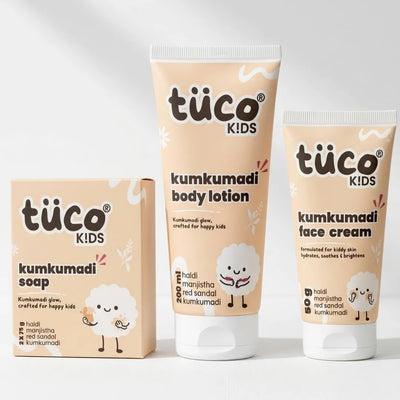
Quality products: ✓ Ultimate Hair Care Kit (may include almond benefits) ✓ Patchy Skin Kit, Kumkumadi Glow Kit
The Core Message
In conclusion, almonds, with their nourishing properties and versatility, are a valuable ingredient for enhancing the health and beauty of your skin and hair.
Whether consumed as a snack, enjoyed as almond milk, or used topically as almond oil, almonds offer a range of benefits, including moisturising the skin, strengthening hair, and providing antioxidant protection.
Your daughter's pediatrician's advice was sound—almonds genuinely support children's health. Your mother-in-law's traditional wisdom about almond oil = thick, lustrous hair? Scientifically validated.
Start simply:
- Diet: 5-10 almonds daily (age-appropriate) as after-school snack
- Hair: Almond oil massage once weekly
- Skin: Small amount on dry patches as needed
- Always: Screen for allergies first
Within weeks: Improved hair shine and strength, softer skin, nutritional benefits—validating this ancient ingredient's place in modern children's care.
Embrace the natural goodness of almonds and experience the transformative effects they bring to your skincare and haircare routine—honoring traditional Badam wisdom while understanding the science behind its remarkable benefits for children's developing bodies.
Related Resources: