



After-Sun Care for Kids India: What to Apply When They've Had Too Much Sun
You applied sunscreen diligently. You thought you'd covered all the bases. But your child comes home from the cricket match with visibly pink cheeks. Or maybe you got distracted at the beach and realized too late that their shoulders are turning red. Or perhaps the "waterproof" sunscreen wasn't quite as waterproof as promised during that pool party.
Now what?
After sun care for kids india isn't just about making your child comfortable—though that matters immensely. It's about minimizing damage that's already occurred, preventing complications like infection or severe peeling, and helping skin heal as completely as possible. In India's intense UV environment, where a 30-minute oversight can result in genuine sunburn, knowing proper sunburned skin kids treatment can make the difference between minor discomfort and serious skin damage.
This guide covers everything parents need to know: immediate first aid, the right products to use at each stage of healing, what to absolutely avoid, when to seek medical help, and how to prevent it from happening again.
Understanding What Just Happened: Sun Damage Explained
Before jumping into treatment, understanding what occurred helps you respond appropriately:
The Spectrum of Sun Damage
Mild sun exposure (no visible burn):
- Skin feels slightly warm
- No redness visible immediately
- Child seems comfortable
- However: DNA damage has still occurred at cellular level (invisible but real)
Moderate sun exposure (mild sunburn):
- Pinkish or light red skin
- Warm to the touch
- Mild discomfort or tenderness
- May develop into noticeable peeling in 3-5 days
- This is what most "typical" sunburns look like
Significant sunburn:
- Clearly red or dark red skin
- Hot to the touch
- Painful when touched or moving
- May develop blisters within 12-24 hours
- Peeling is inevitable
- Child may be irritable or in obvious discomfort
Severe sunburn (medical emergency):
- Deep red, purple, or very dark skin
- Blisters covering large body areas
- Extreme pain
- May include fever, chills, nausea, headache
- Signs of heat exhaustion or heat stroke
- Requires immediate medical attention
Why Children's Sunburns Are More Serious
Immediate concerns:
- Pain and significant discomfort (affecting sleep, appetite, mood)
- Dehydration (damaged skin loses moisture rapidly)
- Infection risk (blisters can become infected if they break)
- Heat regulation problems (sunburn affects body's cooling system)
- In severe cases: sun poisoning (systemic reaction)
Long-term implications:
- Each sunburn in childhood increases lifetime skin cancer risk significantly
- Cumulative DNA damage to skin cells
- Premature aging that appears decades later
- Increased hyperpigmentation risk (especially on brown/dark skin)
- Potential for permanent scarring from severe burns
India-specific factors:
- UV index regularly 8-12+ (very high to extreme)
- Damage occurs faster than in temperate climates
- Cultural beauty standards make pigmentation particularly distressing
- High temperatures can compound dehydration issues
Immediate Response: The First Hour
Cooling skin care after sun kids india starts the moment you notice the exposure:
Step 1: Remove from Sun Immediately
This seems obvious but bears emphasis: Stop all sun exposure instantly. Don't think "just five more minutes won't hurt." Every additional second of UV exposure worsens the damage that's already occurring.
Action steps:
- Move indoors or to complete shade
- Remove hot clothing that may be retaining heat
- Keep cool but not cold (don't go straight into arctic AC)
Step 2: Cool the Skin Gently
Why cooling matters urgently:
- Reduces inflammation
- Minimizes progression of burn (yes, it can get worse after leaving sun)
- Provides immediate relief
- Helps prevent the burn from "going deeper"
Proper cooling techniques:
Cool (not ice-cold) bath or shower:
- Water should be lukewarm to cool—not cold
- Duration: 10-15 minutes
- Repeat every few hours as needed
- Pat dry very gently afterward—don't rub
- Cold water can shock the system; lukewarm is more effective and safer
Cool compresses:
- Soak soft, clean cloth in cool water
- Apply to affected areas
- Replace compress as it warms (every 5-10 minutes)
- Continue for 15-20 minutes
- Can repeat hourly for first several hours
What absolutely NOT to do:
- Ice directly on skin (can cause ice burn on top of sunburn)
- Very cold water (too shocking to damaged skin)
- Scrubbing or rough handling (further damages skin)
- Letting child get chilled (they need cool, not cold)
Step 3: Assess the Severity
Determine if home treatment is appropriate or medical care needed:
Treat at home:
- Pink to light red coloring
- Mild to moderate discomfort
- Small affected area or scattered patches
- No blisters or only tiny ones
- Child otherwise acting normally
Call doctor or go to urgent care:
- Deep red, purple, or very dark discoloration
- Large blisters or blisters covering significant areas
- Extreme pain (child crying consistently, can't be consoled)
- Large affected area (entire back, most of legs, etc.)
- Child under 1 year old with any sunburn
- Signs of dehydration (no tears, dark urine, lethargy)
- Fever, chills, nausea, vomiting, severe headache
- Confusion or unusual behavior
- Not improving after 24 hours of home care
Step 4: Internal Hydration
Critical but often overlooked: Sunburn draws fluid to the skin surface and away from the body's core. Dehydration commonly accompanies sunburn.
Hydration strategy:
- Start offering fluids immediately
- Water primarily (room temperature, not ice cold)
- Coconut water (provides electrolytes naturally)
- ORS (oral rehydration solution) if burn is moderate to severe
- Small, frequent sips if child feels nauseous
- Avoid caffeinated drinks, alcohol (for teens), or excessive sugar
How much: More than their usual intake. Offer every 15-30 minutes for the first several hours.
Monitoring: Check urine color—should be pale yellow, not dark.
Step 5: Pain Relief (If Needed)
For moderate discomfort or pain:
Ibuprofen (if age-appropriate):
- Anti-inflammatory action helps with the inflammation, not just pain
- Follow age-appropriate dosing
- Give with food
- More effective than acetaminophen for sunburn specifically
Acetaminophen/Paracetamol:
- Pain relief without anti-inflammatory effect
- Alternative if ibuprofen not suitable
- Less effective for sunburn but still helps
Consult pediatrician about:
- Correct dosing for child's weight/age
- Which medication is most appropriate
- How frequently to give
- Any medication interactions
The Healing Timeline: What to Expect
Understanding the progression helps you know what's normal vs. concerning:
Hours 1-6: Acute Phase
What's happening: Inflammation is ramping up. Skin continues to get redder and more painful even after leaving sun.
What you'll see: Increasing redness, increasing warmth, developing pain.
What to do:
- Continue cooling measures
- Begin gentle moisturizing (see next section)
- Hydrate internally
- Pain management if needed
- Monitor for worsening
Hours 6-24: Peak Inflammation
What's happening: Burn is at its worst. Maximum redness, pain, and swelling.
What you'll see: Deep redness, possible swelling, significant discomfort, blisters may start forming.
What to do:
- Intensive aftersun kids india care with appropriate products
- Frequent reapplication of soothing agents
- Continued internal hydration
- Loose, soft clothing
- Cool environment for sleep
Days 2-4: Early Healing
What's happening: Inflammation begins decreasing. Itching may start (sign of healing).
What you'll see: Redness fading slightly, itching developing, possible beginning of peeling.
What to do:
- Shift from cooling to moisturizing focus
- Address itching safely
- Continue gentle care
- No picking at skin
Days 3-7: Peeling Phase
What's happening: Damaged skin sloughs off. This is inevitable and normal.
What you'll see: Skin peeling in sheets or flakes, itchiness, possible discoloration underneath.
What to do:
- Intensive moisturizing
- Let peeling happen naturally—don't pull
- New skin underneath is extremely vulnerable
- Sun protection absolutely critical
Weeks 2-4: Recovery and Pigmentation
What's happening: New skin maturing, pigmentation changes becoming apparent.
What you'll see: Tanning or darkening where burn occurred, possible freckling, uneven tone.
What to do:
- Continue moisturizing
- Address pigmentation with appropriate products
- Strict sun protection (new skin very vulnerable)
- Patience—full recovery takes time
Products and Remedies: What to Apply When
After sun lotion kids india choices for each stage of healing:
Immediate Relief Phase (Hours 1-24)
Primary goal: Cool, soothe, prevent worsening
Aloe vera gel (the gold standard):
- Pure aloe vera gel (99-100% aloe)
- Fresh from plant is ideal
- Cooling, anti-inflammatory, promotes healing
- Can be applied liberally and frequently
How to use:
- Apply generous layer to all affected areas
- Reapply every 2-3 hours (or when it dries)
- Keep bottle refrigerated for extra cooling effect
- Fresh aloe: cut leaf, extract clear gel, apply directly
Why it works: Contains compounds that reduce inflammation, promote healing, and provide immediate cooling relief.
Cool compresses with:
- Plain cool water (most accessible)
- Chamomile tea (cooled—anti-inflammatory)
- Witch hazel (cooling, anti-inflammatory)
What to absolutely AVOID in first 24 hours:
- Heavy creams or ointments (trap heat)
- Butter, ghee, or cooking oils (old myth—makes burns worse)
- Petroleum jelly (occlusive, traps heat)
- Products with alcohol (drying, stinging)
- Anything heavily fragranced (irritating)
- Ice directly on skin
Recovery Phase (Days 1-3)
Primary goal: Moisturize, repair, reduce inflammation
Gentle, hydrating moisturizers:
- Lightweight yet nourishing formula
- Safe for sensitive, sun-damaged skin
- Hydrates without heaviness
- Gentle ingredients appropriate for healing skin
- Can be applied 2-3 times daily
Application technique:
- After cool bath while skin still damp
- Gentle patting motions (no rubbing)
- Generous amounts
- Reapply throughout day as needed
Why moisturizing matters: Sunburn causes transepidermal water loss (TEWL)—skin loses moisture rapidly. Moisturizers help seal in hydration and support barrier repair.
Calamine lotion:
- Classic remedy for itching and irritation
- Cooling, soothing effect
- Safe for children
- Dries chalky pink (not cosmetically elegant but functional)
Over-the-counter hydrocortisone cream (0.5-1%):
- Reduces inflammation and itching
- Use sparingly
- Not for face without doctor approval
- Not for large areas without consulting doctor
- Not on broken skin or blisters
Continue aloe vera: Still beneficial during recovery phase. Can alternate with moisturizer or use both (aloe first, moisturizer over).
Peeling Phase (Days 3-7)
Primary goal: Manage peeling, prevent infection, intense moisturization
What's happening: Top layer of damaged skin is shedding. This is normal and necessary—don't fight it.
Intensive moisturizing:
- Apply frequently (3-4 times daily)
- Extra attention to peeling areas
- Helps minimize appearance of peeling
- Keeps new skin underneath hydrated
- Reduces discomfort from tightness
Critical rules:
- DON'T pick, peel, or pull skin—let it come off naturally
- Picking causes scarring
- Increases infection risk
- Worsens hyperpigmentation
- Damages new skin underneath
Gentle cleansing:
- Lukewarm water only
- Mild, fragrance-free cleanser if needed
- Pat dry—never rub
- No scrubbing or exfoliating (wait weeks after full healing)
For facial sun damage:
- Gentle on healing facial skin
- Natural ingredients (saffron, sandalwood)
- Appropriate for children's delicate face
- Soothing and nourishing
- Supports healing without irritation
Pigmentation Recovery Phase (Weeks 1-4)
Primary goal: Address tanning, even skin tone, prevent further damage
Continue moisturizing: Don't stop just because redness is gone. Skin barrier is still rebuilding.
Address pigmentation:
- Specifically formulated for sun damage skin kids india experience
- Gentle brightening approach (not bleaching)
- Safe for children's skin
- Addresses uneven tone from sun exposure
- Gradual improvement over several weeks
Realistic expectations:
- Tan fades gradually (weeks to months)
- New skin cells take time to turn over
- Hyperpigmentation is stubborn—patience required
- Dramatic "overnight" results don't happen (and promises of them are red flags)
For comprehensive tan removal guidance, see our upcoming article: How to Remove Tan from Kids' Skin Safely.
Critical sun protection:
- New skin is EXTREMELY vulnerable to further damage
- Must use SPF 50+ daily
- Physical/mineral sunscreen preferred for healing skin
- Avoid sun exposure when possible
- Cover with clothing when outdoors
Ongoing Care
Continue supporting skin health:
- Daily moisturizing (even after visible healing)
- Vigilant sun protection
- Gentle skincare routine
- Adequate hydration
- Nutritious diet supporting skin repair
Safe Home Remedies for Sunburn Relief
Soothing cream after sun exposure kids can include some traditional remedies—but only safe ones:
SAFE and Helpful
Cool milk compresses:
- Protein and fat in milk soothe skin
- Anti-inflammatory properties
- Natural and safe
- Soak cloth in cool (not cold) milk
- Apply 10-15 minutes
- Rinse with cool water after
Oatmeal bath:
- Colloidal oatmeal (finely ground)
- Add to lukewarm bath water
- Soak 15-20 minutes
- Incredibly soothing for itchy, burned skin
- Gentle enough for sensitive areas
- Pat dry after (don't rub)
Cucumber:
- Cooling and soothing
- Can apply sliced cucumber directly
- Or blend and apply as paste
- Contains vitamin C and caffeic acid (anti-inflammatory)
- Rinse after 15-20 minutes
Cool green tea compresses:
- Antioxidants (especially EGCG) help repair damage
- Anti-inflammatory
- Brew tea, cool completely, soak cloth, apply
- Particularly nice for facial sunburn
Coconut water (drinking):
- Excellent hydration
- Natural electrolytes
- Supports healing from inside
- Topical application also soothing (though not as effective as internal)
ABSOLUTELY AVOID These "Remedies"
Butter, ghee, or cooking oils:
- Traps heat in skin
- Makes burn much worse
- Increases infection risk
- One of the worst things you can do
Lemon or citrus juice:
- Extremely acidic—burns already-damaged skin
- Photosensitizing (causes worse sun damage)
- Can cause permanent pigmentation problems
- Painful and harmful
Toothpaste:
- Internet myth that needs to die
- Contains irritating ingredients
- Can cause chemical burns
- Zero beneficial properties for sunburn
Vinegar:
- Too acidic for burned skin
- Stings painfully
- Disrupts pH balance
- No proven benefit
Egg whites:
- Salmonella risk (raw egg)
- No evidence of effectiveness
- Messy with no payoff
- Protein denaturation makes it stick uncomfortably
Baking soda paste:
- Too alkaline (disrupts skin pH)
- Can further damage compromised barrier
- Not beneficial for sunburn
Essential oils (undiluted):
- Many are irritating on damaged skin
- Can cause additional sensitivity
- Risk of allergic reaction
- If using, must be properly diluted in carrier oil—and even then, questionable benefit
Pain and Discomfort Management
Kids overexposed sun treatment includes making them comfortable:
Non-Medication Strategies
Cool environment:
- Use fans or air conditioning
- Keep room temperature cooler than usual
- Cool (not cold) baths multiple times daily
- Cooling compresses as needed
Loose, soft clothing:
- 100% cotton preferred (breathable, soft)
- Nothing tight or restrictive
- Avoid synthetics (can trap heat and irritate)
- If back is burned: no shirt if possible, or very loose tank
- No bras or tight undergarments if area affected
Sleep positioning:
- If back burned: sleep on stomach or side with soft sheet
- If front burned: sleep on back with minimal covering
- Use lightweight, breathable bedding
- Cool room temperature
- Extra pillow for comfort positioning
Distraction:
- Screen time (yes, extra screen time is okay when unwell)
- Favorite quiet activities
- Reading to them
- Gentle, calm activities
- Reduces focus on discomfort
Over-the-Counter Pain Management
Ibuprofen (preferably):
- Anti-inflammatory reduces actual inflammation (not just pain)
- Age-appropriate dosing
- With food
- Can give every 6-8 hours as needed
Acetaminophen/Paracetamol (alternative):
- Pain relief without anti-inflammatory
- Less ideal for sunburn but still helps
- Different dosing schedule than ibuprofen
Topical pain relief:
- Lidocaine spray (if doctor recommended and age-appropriate)
- Hydrocortisone cream for itching
- Cold compresses for immediate numbing
Always consult pediatrician about:
- Correct medication choice
- Appropriate dosing
- Frequency of administration
- Any interactions with other medications
Itch Management (During Healing)
The itch-scratch dilemma: Healing skin itches intensely, but scratching damages new skin and worsens scarring.
Strategies:
- Cool compresses (immediate relief)
- Moisturize frequently (reduces itch trigger)
- Oatmeal baths (very effective for itch)
- Over-the-counter antihistamine (if doctor approves)
- Keep nails trimmed short
- Soft cotton gloves at night if child scratches in sleep
- Distraction and redirection for younger kids
- Explain to older kids why not scratching matters
When Medical Attention Is Necessary
Sun damage skin kids india severity sometimes requires professional treatment:
Seek Immediate Medical Care If:
Severe sunburn characteristics:
- Blisters covering large areas (>10% of body)
- Blisters on face, hands, feet, or genitals
- Very deep red, purple, or extremely dark discoloration
- Extreme pain not relieved by over-the-counter medication
Systemic symptoms (sun poisoning):
- Fever over 101°F (38.3°C)
- Severe chills
- Nausea or vomiting
- Severe headache
- Dizziness, confusion, or altered behavior
- Signs of dehydration (no tears when crying, very dark urine, sunken eyes, extreme lethargy)
- Fainting or near-fainting
Infection signs:
- Increasing pain (should be decreasing)
- Pus or oozing from blisters
- Red streaking from affected area
- Swollen lymph nodes
- Fever developing days after burn
Special populations:
- Any sunburn in infant under 1 year
- Child with compromised immune system
- Child with other medical conditions
Not improving:
- Worsening after 24 hours despite home care
- Not beginning to improve by 48 hours
- Parent gut feeling that something is wrong
What Medical Treatment May Include
For moderate to severe sunburn:
- Prescription-strength topical steroids
- Oral steroids (severe cases)
- Prescription pain medication
- IV fluids (if dehydrated)
- Specialized wound care (for blisters)
- Antibiotics (if infection present or high risk)
Don't delay if needed: Timely treatment can prevent complications and reduce long-term damage.
Prevention: Never Again
After sun care for kids india also means preventing future incidents:
What Went Wrong: Honest Assessment
Common scenarios leading to sunburn:
- Didn't apply enough sunscreen (most common)
- Forgot to reapply (second most common)
- "Waterproof" sunscreen washed off
- Cloudy day (assumed safe)
- Short exposure time (underestimated UV intensity)
- Lost track of time
- Child was swimming/sweating (removed sunscreen)
Identify your specific failure point: Can only fix what you acknowledge.
Better Sun Protection Strategies
Sunscreen application:
- Generous amounts (more than you think)
- 15-30 minutes before sun exposure
- Reapply every 2 hours without exception
- Reapply immediately after swimming/heavy sweating
- Water-resistant formulas for water activities
- SPF 50 minimum for children
For comprehensive sunscreen selection: Best Sunscreen for Kids India 2026: No White Cast, Safe from Age 2 (upcoming).
Physical protection:
- Clothing (UPF-rated when possible)
- Wide-brimmed hats (not baseball caps—need all-around coverage)
- Sunglasses (UV protection for eyes)
- Shade-seeking behavior
- Avoid peak hours (10am-4pm) when possible
Education:
- Teach children about sun safety
- Explain why it matters (age-appropriately)
- Make them partners in protection (older kids can apply own sunscreen)
- Lead by example (parents protecting themselves too)
Systems and routines:
- Sunscreen kept in visible spot
- Application becomes automatic part of "getting ready"
- Set phone alarms for reapplication
- Extra sunscreen in car, bag, at school
- No outdoor activity without sun protection—non-negotiable
Complete Summer Strategy
For comprehensive seasonal sun care: Summer Skincare Routine for Kids India (upcoming).
Special Considerations
Age-Specific Care
Babies (under 1 year):
- Should not get sunburned (prevention is critical)
- Any sunburn requires doctor evaluation
- Very gentle care only
- Extra vigilance about dehydration
Toddlers (1-3 years):
- May not be able to articulate discomfort clearly
- Watch behavior (irritability, refusing food, clingy)
- Gentlest products only
- Distraction crucial during treatment application
School-age (4-12 years):
- Can communicate discomfort
- Understand why care is needed
- May resist treatment (uncomfortable, time-consuming)
- Can participate in application
Teens (13+ years):
- May be self-conscious about appearance (tanning, peeling)
- Can manage own treatment with guidance
- Address pigmentation concerns supportively
- Emphasize long-term skin health
Skin Tone Considerations
Darker skin tones:
- Burn less easily but still burn
- When sunburn occurs, may not look as obviously red
- Hyperpigmentation more noticeable and longer-lasting
- Tanning more prominent
- Same treatment principles apply
Very fair skin:
- Burns very easily
- May blister more readily
- Extra vigilance required
- More frequent monitoring
Medical Conditions
Eczema or atopic dermatitis:
- Sunburn on top of eczema is particularly problematic
- Extra gentle care needed
- Consult dermatologist about appropriate products
- Fragrance-free everything
Immunocompromised children:
- Higher infection risk
- More likely to need medical attention
- Doctor guidance for home treatment
Medications:
- Some medications cause photosensitivity (sun sensitivity)
- Check with doctor or pharmacist
- May need extra sun protection
The Complete After-Sun Kit
Cooling skin care after sun kids india essentials to keep on hand:
Must-Have Products
Immediate relief:
- Aloe vera gel (100% pure, refrigerated)
- Cool compresses/soft cloths
Recovery phase:
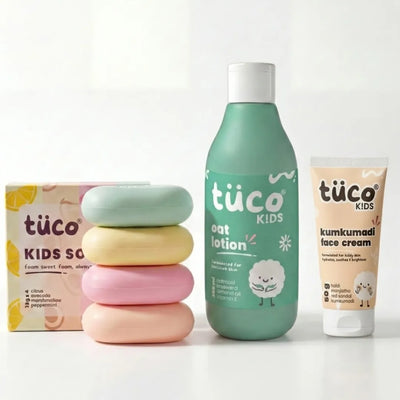
- Bye Dull Skin Body Lotion for body moisturizing
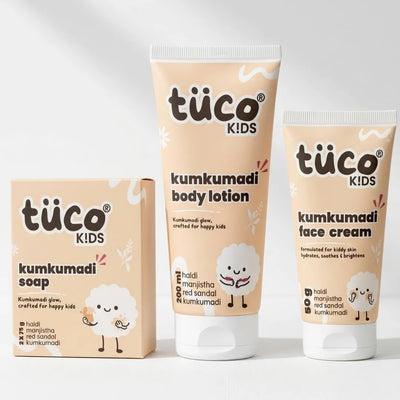
- Kumkumadi Face Cream for facial care
- Calamine lotion
- Hydrocortisone cream (0.5-1%)
Long-term recovery:
- Tan Kit for pigmentation
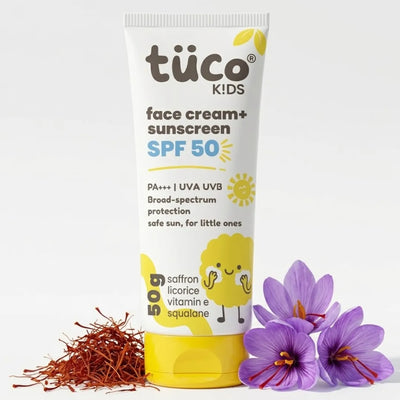
- High SPF sunscreen (protecting healing skin)
Medications:
- Children's ibuprofen
- Children's paracetamol
- Oral rehydration solution (ORS)
Supplies:
- Soft towels
- Loose cotton clothing
- Thermometer (monitor for fever)
- Measuring cup/spoon for medications
Storage
Keep accessible:
- Dedicated spot in medicine cabinet or first aid kit
- Everyone knows where it is
- Check expiration dates regularly
Refrigerate aloe: Extra cooling effect when applied cold.
Restock after use: Don't wait until next incident.
The Emotional Component
Sunburned skin kids treatment includes emotional support:
Addressing the Child's Feelings
Common reactions:
- Discomfort leading to irritability
- Embarrassment (visible peeling, redness)
- Fear (pain is scary)
- Guilt (if they removed sunscreen/hat)
- Worry about appearance (especially teens)
Supportive response:
- Validate feelings ("I know this hurts")
- Reassure ("It will heal, and we'll help it heal")
- Don't blame ("Accidents happen, we'll be more careful next time")
- Explain healing process (reduces fear of unknown)
- Address appearance concerns supportively
Addressing Parental Feelings
Common parental reactions:
- Guilt (feeling responsible for child's pain)
- Anger at self (should have been more vigilant)
- Worry (is it serious?)
- Frustration (especially if preventable)
Constructive approach:
- Forgive yourself—no parent is perfect
- Focus on treatment now, learning for future
- Don't let guilt prevent proper care
- Use experience to improve prevention
- Seek support if feelings overwhelming
The Bottom Line
After sun care for kids india is three-fold:
Immediate (First Hours)
- Remove from sun immediately
- Cool the skin gently (lukewarm baths, cool compresses)
- Assess severity (home treatment vs. medical care)
- Hydrate internally (water, coconut water, ORS)
- Begin gentle treatment (aloe vera liberally)
- Pain relief if needed (ibuprofen, acetaminophen)
Recovery (Days 1-7)
- Gentle moisturizing (Bye Dull Skin Body Lotion)
- Continue cooling as needed
- Manage itching and discomfort
- Don't pick at peeling skin
- Protect from further sun (SPF 50+, clothing, shade)
- Facial care (Kumkumadi Face Cream)
Long-term (Weeks 2-4+)
- Address pigmentation (Tan Kit)
- Continue moisturizing
- Strict sun protection (healing skin vulnerable)
- Patience (complete recovery takes time)
- Prevent recurrence (better sun safety practices)
What NOT to Do
✗ Apply butter, oils, or petroleum jelly immediately ✗ Use lemon juice, vinegar, or other acidic treatments ✗ Pick or peel skin ✗ Expose to sun without protection ✗ Use harsh or fragranced products ✗ Ignore signs of severe burn or infection ✗ Assume one sunburn is "no big deal" (each one matters)
When to Seek Medical Help
Immediately if:
- Severe blistering
- Fever, chills, nausea
- Extreme pain
- Signs of infection
- Baby under 1 year
- Large area affected
- Not improving after 48 hours
Prevention for Next Time
Even the best aftersun kids india treatment can't undo all the damage. Prevention is always better:
- Daily sunscreen (SPF 50, generous application)
- Reapply every 2 hours during sun exposure
- Physical protection (clothing, hats, shade)
- Avoid peak UV hours when possible
- Teach children sun safety
- Make protection non-negotiable
Most sunburns heal completely with proper care, but each one increases lifetime risks. Learn from this experience, implement better sun protection, and hopefully, you won't need these after-sun care instructions again.
But keep this guide bookmarked just in case—because despite best intentions, sun exposure happens. When it does, you now know exactly how to respond, what to apply, and when to worry.
Your child's skin will heal. Your vigilance will improve. And next summer will be safer.
Related Resources: