



Itchy Scalp in Kids: Home Remedies That Work
A child scratching their head constantly is hard to ignore, and the first instinct is to reach for a remedy. An effective itchy scalp home remedy depends entirely on the cause, because an itch from dryness, dandruff, product irritation or lice each calls for something different.
This guide helps you work out why the scalp itches, which home measures genuinely help and when to see a doctor. For flaky scalps linked to dandruff, our Anti-Dandruff Shampoo (ages 4 and up) is a gentle option.
Shop Anti-Dandruff Shampoo

Contents
- Causes at a Glance
- Why Scalps Itch
- Dryness and Winter Itch
- Dandruff
- Product Irritation
- Lice and Other Causes
- Remedies That Work
- A Gentle Scalp Care Routine
- Triggers to Watch For
- Preventing the Itch From Returning
- Quick Decision Guide
- When to See a Doctor
- FAQs
- Related Reads
Causes at a Glance
| Cause | What You See | First Step |
|---|---|---|
| Dry scalp | Fine white flakes, tight feeling | Wash less, gentle shampoo |
| Dandruff | Larger oily flakes, redness | Anti-dandruff shampoo 2–3 times weekly |
| Product irritation | Itch after a new product | Stop the product |
| Lice | Intense itch, nits near roots | Check with a fine comb |
Why Scalps Itch
Itching is the skin's response to irritation or inflammation. On the scalp, the common triggers are dryness, a yeast-related flaking condition, contact with an irritating product, infestation and, less often, skin conditions such as eczema or psoriasis. Telling them apart is the key to treating them.
Look at the pattern: when the itching started, what the flakes look like, whether classmates have similar symptoms and whether a new product coincided with the start.
Dryness and Winter Itch
Cold air and heated rooms dry the scalp just as they dry the rest of the skin. Frequent shampooing with strong products makes it worse. The flakes tend to be small and dry, and the scalp feels tight rather than greasy.
Wash two or three times a week with a mild shampoo and lukewarm water, and avoid hot showers. A light oil massage before washing can ease tightness, and rinsing thoroughly prevents residue.
Dandruff
Dandruff is linked to a naturally occurring yeast that irritates the scalp in some children. Flakes are larger, often yellowish, and the scalp may be red and itchy. A shampoo made for dandruff, used with adequate contact time, usually helps within a few weeks.
Massage the shampoo into the scalp for a minute or two before rinsing, and alternate with a gentle shampoo to avoid over-drying.
Product Irritation
New shampoos, conditioners, styling products and even hair dyes can cause contact dermatitis. If itching began after a new product, stop using it and see if symptoms ease over a week. Fragrance and preservatives are common culprits.
Rinse hair thoroughly after washing, as residue is itself an irritant, and avoid sharing combs and hats.
Lice and Other Causes
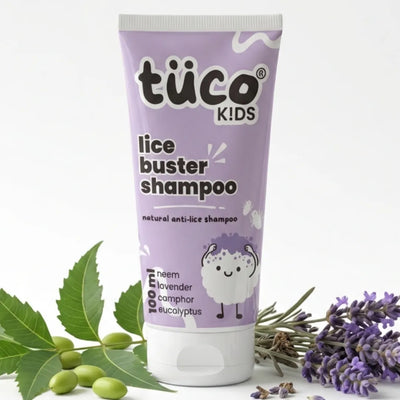
Head lice cause an intense itch, especially behind the ears and at the nape. Check with a fine-tooth comb on damp hair for live lice or nits stuck close to the roots. Treat according to pharmacist or doctor guidance if found.
Other causes include fungal infections, eczema and psoriasis, which usually show distinct patches, scaling or hair changes and need a doctor's diagnosis.
Remedies That Work
Gentle washing, a switch to a mild shampoo and a short oil massage help many children. Cool compresses ease itching, and keeping nails short limits damage from scratching. Dietary and hydration basics support skin health but are not treatments.
Be cautious with strongly acidic or spicy remedies such as raw lemon or onion juice, which can sting and inflame an already irritated scalp.
A Gentle Scalp Care Routine
Wash with lukewarm water, a mild shampoo and enough rinsing to remove all residue. Massage the scalp with fingertips rather than nails to loosen flakes without scratching. Towel dry gently and avoid hot hair dryers.
Keep nails short and encourage your child to press or pat an itchy spot instead of scratching. A cool, damp cloth held on the scalp for a minute can ease an urge to scratch during homework or sleep.
Triggers to Watch For
Keep a simple log of when the itching worsens. Common triggers include new products, dry heating, hard water, tight hats, sweating after sport and stress around exams. Spotting a pattern often points to a fix you can control.
If hard water is a problem in your area, a final rinse with filtered water or a gentle clarifying wash once a month may help, but ask a doctor if the scalp is inflamed.
Preventing the Itch From Returning
Maintain a regular washing schedule, avoid sharing combs and hats, and rinse thoroughly. Moisturise the body after bathing so the scalp is not the only dry area. In winter, a bedroom humidifier makes a noticeable difference.
If itching returns repeatedly, review diet, sleep and stress alongside hair care. A doctor can help if there is an underlying skin condition.
Shop Reetha Shampoo
Quick Decision Guide
- Fine white flakes, tight scalp? → Likely dryness; wash less and use a mild shampoo.
- Oily yellowish flakes with redness? → Possible dandruff; try an anti-dandruff shampoo.
- Itch started after a new product? → Stop it and monitor.
- Intense itch with nits near roots? → Check for lice and treat if found.
When to See a Doctor
See a doctor if itching persists for weeks despite gentle care, if the scalp is red, oozing or crusted, if there are bald patches, if nits or lice persist after treatment, or if the itch disturbs sleep.
FAQs
What is a good itchy scalp home remedy for kids?
Gentle washing, a mild shampoo and, where relevant, an anti-dandruff shampoo used correctly.
Why is my child's scalp itchy in winter?
Cold air and heated rooms dry the scalp.
Can oil help an itchy scalp?
A light oil massage can ease tightness, but leave it on briefly and wash it out.
Is dandruff contagious?
No, dandruff is not contagious.
Do lice cause an itchy scalp?
Yes, lice can cause intense itching, especially behind the ears.
Can stress cause an itchy scalp?
Stress can aggravate scalp conditions in some children.
How often should I wash my child's hair?
Two to three times a week is usually enough.
Should I use lemon on the scalp?
No, acidic ingredients can sting and irritate.