



Head Lice Treatment for Kids: Combs, Shampoos, and Home Remedies
Few notes from school cause more groans than "head lice have been reported in your child's class". Lice are common, harmless to health and have nothing to do with cleanliness. A good lice comb, the right lice shampoo and a sensible head lice home remedy plan will clear almost every case.
This guide explains how to confirm lice, which treatments work, which home remedies to skip and how to stop them returning. Tuco Kids does not make lice treatments.
Contents
- Treatment Options at a Glance
- Confirming It Is Lice
- Wet-Combing With a Lice Comb
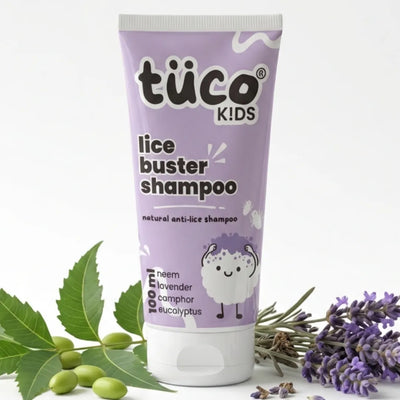
- Lice Shampoos and Lotions
- Home Remedies: What to Skip
- Preventing Re-Infestation
- Myths About Lice
- Lice and School
- A Calm Combing Routine
- Aftercare for the Scalp
- Quick Decision Guide
- When to See a Doctor
- FAQs
- Related Reads
Treatment Options at a Glance
| Method | How It Works | Notes |
|---|---|---|
| Wet combing | Fine comb removes lice and nits mechanically | Safe; repeat every 3–4 days for 2 weeks |
| Medicated shampoo or lotion | Kills lice chemically | Follow label; repeat as directed |
| Home remedies | Mostly unproven | Some are unsafe |
Confirming It Is Lice
Lice are small, wingless insects that live close to the scalp, and the eggs (nits) are glued to hair near the roots. Part damp hair and comb it with a fine-toothed comb under good light, checking behind the ears and at the nape. A live louse confirms it. Nits further than about a centimetre from the scalp are usually empty shells.
Itching is common but not universal, and white flakes that slide off easily are probably dandruff, not nits.
Wet-Combing With a Lice Comb
A metal-toothed lice comb with very narrow gaps is the most reliable tool. Wash hair, apply plenty of conditioner to slow the lice, then comb from the roots to the tips in small sections, wiping the comb on a white tissue after each pass. Repeat every three to four days for two weeks to catch newly hatched lice.
It takes patience and good light, so make it a calm routine with a film or a story. Check the whole family and treat everyone with live lice at the same time.
Lice Shampoos and Lotions
Medicated treatments are available through pharmacies, often containing permethrin or similar agents, and some resistant lice require alternatives. Follow the label exactly, including contact time and the repeat application, and ask a pharmacist or doctor which product suits your child's age.
Do not use a treatment more often than directed, and avoid products meant for animals or adults.
Home Remedies: What to Skip
Many home remedies are unproven, and some are dangerous. Never use petrol, kerosene or strong chemicals on the scalp. Mayonnaise, olive oil or tea tree oil have limited evidence, and essential oils can irritate a child's skin.
Conditioner-assisted combing is the one "home" method with solid support, because it makes combing effective rather than killing lice by itself.
Preventing Re-Infestation
Lice spread by head-to-head contact. Wash bedding, hats and towels in hot water or seal items in a bag for two days. Tie long hair back at school, avoid sharing combs and hats, and check regularly during outbreaks.
There is no need to deep clean the whole house. Lice cannot survive long off the head.
Myths About Lice
Lice do not jump or fly, and they do not indicate poor hygiene. They are no more common in dirty hair, and they do not spread disease. Pets do not carry human lice.
Most schools allow children back once treatment has started, but check your school's policy.
Lice and School
Schools usually ask parents to inform them and treat promptly. Be honest and discreet; lice are common and carry no shame. Check classmates' siblings and close friends if you can.
Reassure your child it is not their fault, and avoid singling them out. Teach not to share hats, brushes and hair accessories.
A Calm Combing Routine
Make combing a quiet routine: good light, a towel on the shoulders, a film or audiobook, and a reward afterwards. Section the hair with clips and work through each section thoroughly.
Take breaks if your child tires, and finish all sections the same day for best results.
Aftercare for the Scalp
Scratching can leave small sores. Wash gently with a mild shampoo once treatment is complete, avoid harsh products on irritated skin and keep nails short.
If the scalp stays sore, red or crusted, see a doctor in case it has become infected.
Quick Decision Guide
- Live lice found? → Start treatment with combing and, if advised, a medicated product.
- Only nits far from the scalp? → Likely old; comb to be safe and monitor.
- Scalp sore or infected from scratching? → See a doctor.
- Lice back after two weeks? → Review technique and ask a pharmacist.
When to See a Doctor
See a doctor if the scalp is red, oozing or infected from scratching, if a child is under two, has asthma or skin conditions and you are unsure about a treatment, or if lice persist after two correct treatments.
FAQs
What is the best lice comb?
A fine-toothed metal comb with narrow gaps used on conditioned, damp hair.
Does lice shampoo work?
Many do, but resistance exists, so follow instructions and combine with combing.
What is a safe head lice home remedy?
Conditioner-assisted wet combing; avoid kerosene and strong chemicals.
How do I know if it is lice or dandruff?
Dandruff flakes fall away easily; nits are glued to hair shafts.
How long does it take to get rid of lice?
About two weeks of repeated combing and any needed treatment.
Can lice live on pillows?
Only briefly; wash bedding in hot water to be safe.
Should the whole family be treated?
Check everyone and treat those with live lice.
Can I use adult lice treatments on children?
Check the label for the age range and ask a pharmacist.