





Modak-Making & Craft Kits for Kids This Ganesh Chaturthi
Modak-making has a way of pulling kids into the kitchen even when they've shown zero interest in cooking the other 364 days of the year. Part of that is the shape — pleating a modak is genuinely satisfying, closer to origami than to baking — and a good modak making kit or simple at-home setup is often all it takes to turn a ten-minute distraction into an hour of focused, happy mess.
Beyond the kitchen, the days around Ganesh Chaturthi are full of small craft opportunities — decorating the pooja space, making a paper Ganesha, coloring a modak-shaped card. A few good ganesh chaturthi craft ideas for kids can fill the gap between morning aarti and evening visarjan without anyone reaching for a screen.
Tuco Kids tip: Craft and cooking activities that involve the hands — kneading dough, pleating pleats, painting — are some of the best "screen-free hour" solutions during a long festival day, and they don't need to be elaborate to work.

Contents
- A Quick Note Before You Start
- Why Modak, Specifically?
- Modak Isn't Just One Thing
- Making Modak-Making Kid-Friendly
- A No-Cook Modak Option for Younger Kids
- Ganesh Chaturthi Craft Ideas Beyond the Kitchen
- A Few More Craft Projects Worth Trying
- Matching Activities to Age
- A Quick Word on Skin After Messy Play
- FAQs
- Related Reads
Why Modak, Specifically?
Modak's connection to Ganesha comes from long-standing tradition holding it as his favorite sweet — the word itself is thought to derive from a Sanskrit root associated with joy or delight, which fits a dumpling that's meant to be a treat rather than an everyday food. The classic ukadiche modak (steamed, rice-flour version) is closely associated with Maharashtra, where it's central to home celebrations, but the idea of a stuffed sweet dumpling offered to the deity has parallel and related forms across other regions and traditions, which is part of why the exact modak on your plate can look quite different depending on where you grew up.
For kids, this bit of context is worth sharing while they're pleating dough — it turns an abstract "we make this because it's tradition" into something a little more concrete: a sweet named for delight, offered to a deity known for removing obstacles, made by hand as a small act of care rather than bought ready-made.
Modak Isn't Just One Thing
The steamed ukadiche modak — a thin, hand-pleated rice-flour shell around a coconut-jaggery filling — is the version most associated with Ganesh Chaturthi nationally, but it's really just one variant among several. Fried modak, made with a wheat-flour or maida shell instead of rice flour, is common in many households specifically because it's more forgiving for a first attempt — the dough is sturdier and less prone to tearing than the steamed version's delicate shell. In parts of Karnataka, kadubu refers to a closely related steamed dumpling family that shows up around the same festival, sometimes savory rather than sweet. Chocolate and dry-fruit modak have become popular modern additions in many urban households, less about tradition and more about a fun, kid-friendly variation that doesn't require the technical skill of the original.
Knowing these variants matters practically, not just as trivia — if a family's first attempt at ukadiche modak with young kids goes disastrously (which it often does, delicate rice dough is genuinely hard to pleat), a fried or no-cook version is a completely legitimate way to keep the tradition accessible rather than frustrating.
Making Modak-Making Kid-Friendly
The trickiest part of modak-making for adults — getting a perfectly even pleat — is exactly the part kids don't need to get right. Rather than aiming for competition-worthy modaks, hand over a small ball of dough and let a child practice pinching and pleating on their own piece, separate from the batch that's actually going to the pooja. Most kids find the repetitive motion genuinely calming once the pressure to "get it right" is removed, and a slightly lopsided modak they made themselves usually means more to them than a perfect one from the main batch.
For kids old enough to handle a butter knife safely, letting them shape the stuffing into small balls before it goes into the dough is a good, lower-stakes entry point before they try pleating. It's a smaller task with less room for frustration, and it still gives them a real, visible role in the process.
A No-Cook Modak Option for Younger Kids
For toddlers and younger kids who aren't ready for hot stuffing or steaming, a simple no-cook version keeps the fun without the safety concerns. Mixing desiccated coconut, powdered jaggery, and a little cardamom into a workable paste, then having kids shape it into small balls or press it into a modak-shaped mold, gives them the same sensory, hands-on experience without any heat involved. It won't taste exactly like a traditional steamed modak, but it's a genuinely fun activity a three- or four-year-old can do almost entirely on their own, with supervision only for the ingredients themselves.
Ganesh Chaturthi Craft Ideas Beyond the Kitchen
Beyond the kitchen, there's a lot of room for simple, low-prep ganesh chaturthi craft ideas for kids using things most households already have. Paper plate Ganesha faces, decorated with lentils, colored paper, and glued-on "ears," work well for younger kids and don't require much adult supervision once the basic setup is ready. Older kids often enjoy rangoli design more independently — even a simple geometric pattern with colored rice or flower petals gives them a real, visible contribution to the pooja space setup.
ganpati craft activities for kids that double as decorations tend to hold attention longest, since the child gets to see their work actually used rather than set aside after being made. A garland of paper flowers for the pooja area, or hand-decorated diyas using safe, washable paint, both fall into this category — genuinely useful by the end of the activity, not just a craft-time filler.
A Few More Craft Projects Worth Trying
An eco-friendly clay Ganesha, molded from shikakai clay or a similar natural modeling clay, is a genuinely popular activity in many households now, partly as a craft project and partly as an intentional alternative to plaster-of-Paris idols for families choosing a more environmentally conscious visarjan. It takes a bit longer than most other crafts on this list — often spread across two sittings, one for shaping and one for painting once it's dried — which actually works in its favor for older kids who want a bigger project to sink into over a few days.
A simple thali or plate decoration project — arranging flowers, small diyas, and colored rice into a pattern on the plate used for the pooja itself — gives kids a role in the ceremony that feels genuinely important rather than tangential. Torans (door hangings) made from marigold flowers, mango leaves, or even paper cutouts threaded onto string are another classic that scales well across ages: younger kids can thread pre-cut shapes, older kids can cut their own.
Matching Activities to Age
Toddlers and very young kids do best with no-cook, no-sharp-tool activities — the no-cook modak paste, simple paper plate decorating, or threading pre-cut shapes onto a toran string. Kids around five to eight can usually handle supervised dough pleating, cutting with round-tipped scissors, basic rangoli patterns with guidance, and shaping simple clay projects. By nine or ten, most kids can manage the full modak-making process with light supervision, more detailed craft projects like a painted clay Ganesha, and can often help younger siblings with their simpler versions of the same activities — a good way to keep a wide age range occupied together rather than separately.
A Quick Word on Skin After Messy Play
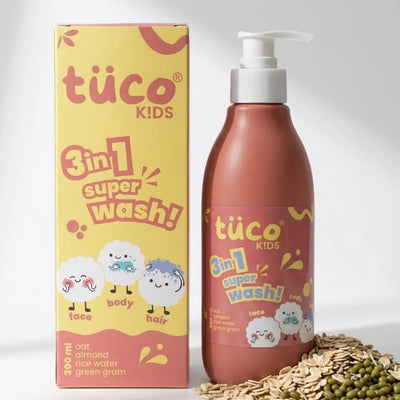
Between dough, dye from rangoli colors, clay, and glue from craft projects, festival hands go through a lot in a single day — and that's on top of frequent handwashing to clean up between activities. Frequent washing strips natural oils faster than skin can replace them, so a gentle, moisturizing wash followed by a barrier-supporting lotion at the end of a craft-heavy day helps hands recover from all that activity rather than just cleaning them.
Shop 3-in-1 Oat Kit →
FAQs
Does Tuco Kids sell a modak making kit?
Not currently — this guide focuses on simple, at-home modak and craft activities using ingredients and materials most households already have.
Why is modak specifically associated with Ganesh Chaturthi?
Modak is traditionally considered Ganesha's favorite sweet, and the word is thought to derive from a Sanskrit root linked to joy or delight, fitting its role as a festive treat rather than an everyday food.
What's the difference between steamed and fried modak?
Steamed ukadiche modak uses a delicate rice-flour shell and is closely associated with Maharashtra, while fried modak uses a sturdier wheat-flour shell that's more forgiving for beginners.
What's a safe modak-making activity for toddlers?
A no-cook version using coconut, jaggery, and cardamom shaped by hand avoids heat and sharp tools while still giving toddlers a hands-on activity.
What are some easy ganesh chaturthi craft ideas for kids?
Paper plate Ganesha faces, rangoli with colored rice, hand-decorated diyas, and toran door hangings are all low-prep options that use common household materials.
At what age can kids help with real modak-making?
Most kids around eight to ten can manage the full process with light supervision, while younger kids do better shaping stuffing balls or trying the no-cook version.
What ganpati craft activities for kids work well for a wide age range at once?
Activities that scale in difficulty — like rangoli, torans, or clay modeling — let older kids take on the harder parts while younger kids handle simpler steps of the same project.
Should I worry about my child's skin after a day of crafts and cooking?
Frequent handwashing during a craft-heavy day can dry out skin faster than usual, so a gentle moisturizing routine at the end of the day helps hands recover.