







Ganesh Chaturthi Skincare & Self-Care Routine for Pooja Days
Between early-morning aartis, incense smoke, sticky prasad, and days spent in new festive clothes, Ganesh Chaturthi is genuinely hard on a child's skin and general wellbeing — harder than most parents realize until cheeks look a little redder than usual, or a normally easygoing kid is unusually cranky by day three. A little ganesh chaturthi skin care planning goes a long way toward keeping kids comfortable through the full stretch, not just presentable for photos.
None of this needs to be elaborate. Good pooja day skincare for kids is mostly about anticipating a few predictable stressors — sugar residue, incense exposure, tighter festive fabric, disrupted sleep — rather than adding an elaborate new routine on top of an already busy few days.

Contents
- Why a Multi-Day Festival Wears Kids Out
- What Actually Stresses Skin During the Festival
- Sleep, Routine, and Why They Matter More Than Parents Expect
- Hydration and Heat During Outdoor Processions
- A Simple Skincare Routine for Each Pooja Day
- Removing Festive Makeup Properly
- Festive Clothes and Jewelry Irritation
- A Few Tuco Products for Festival Days
- When to See a Doctor
- FAQs
- Related Reads
Why a Multi-Day Festival Wears Kids Out
Ganesh Chaturthi, especially in households that keep the idol for the full ten days through Anant Chaturdashi, is unusual among festivals in how sustained it is. A birthday or a single-day celebration is a spike of excitement and then a return to normal; a ten-day festival means ten days of early wake-ups for morning aarti, visitors coming and going, richer-than-usual food, and evenings that often run later than a school-night bedtime would normally allow. Kids handle a single disrupted day easily. It's the accumulation across a week or more — less sleep, more sugar, more stimulation, less routine — that quietly wears them down in ways that show up as both crankiness and, often, skin that looks a little more reactive than usual by the later days of the festival.
What Actually Stresses Skin During the Festival
A few things compound over a multi-day festival in ways that don't show up after just one day. Prasad and sweets leave sticky sugar residue on hands and around the mouth, which can mildly irritate skin if it sits for hours rather than being washed off. Incense and agarbatti burn for long stretches during aarti, and the smoke can be mildly drying or irritating to sensitive skin and eyes with repeated daily exposure. New festive clothes — stiffer fabric, unfamiliar dyes, tighter fits than everyday wear — add friction and occasional contact irritation that regular clothing doesn't. None of these are dramatic on their own, but stacked across several consecutive festival days, they add up to skin that's noticeably more reactive by the end of the stretch than it was on day one.
Sleep, Routine, and Why They Matter More Than Parents Expect
Skin repair happens disproportionately during sleep — it's when the body does most of its cellular turnover and barrier recovery — so a week of later bedtimes and earlier wake-ups for morning aarti has a real, if easy to overlook, effect on how skin holds up through a long festival. This isn't a reason to skip the early aarti or the late evening visiting, which are often the parts of the festival kids remember most fondly, but it is a reason to protect sleep where you reasonably can: an earlier bedtime on the days without major evening plans, a short daytime rest for younger kids, and not scheduling every single day back-to-back with visits if the family has any flexibility at all.
Kids also do better with at least some anchor points of normal routine even during a festival week — a consistent-ish mealtime, the same basic bedtime wind-down even if the actual bedtime shifts later, familiar comfort objects at night. It sounds unrelated to skincare, but a well-rested, less-stressed child is measurably less likely to scratch at minor irritation or pick at a small rash, which is often what turns a mild issue into a more noticeable one.
Hydration and Heat During Outdoor Processions
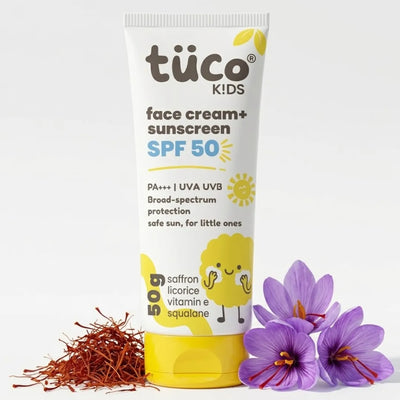
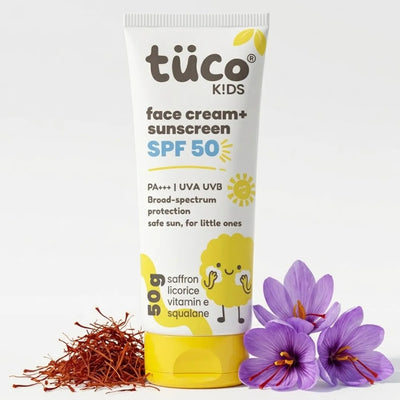
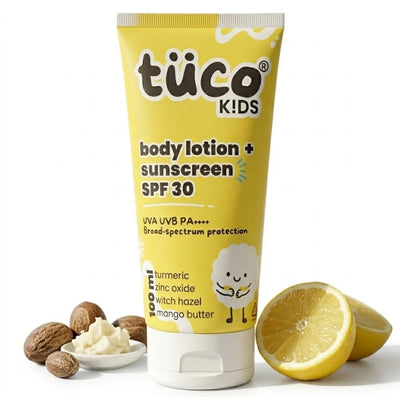
Visarjan processions and outdoor pandal visits, especially in the early September heat that coincides with the festival in most of the country, mean real sun and heat exposure for kids who might otherwise spend most of a hot afternoon indoors. Dehydration compounds skin dryness and makes kids generally more irritable and prone to minor heat rash, so it's worth being more deliberate than usual about water breaks during a long outdoor procession or pandal-hopping afternoon — kids get absorbed in the excitement and often don't think to ask for water on their own. A hat or light dupatta for shade, and reapplying sunscreen if it's been more than a couple of hours, matter just as much during a festival outing as they would on any other hot outdoor day.
A Simple Skincare Routine for Each Pooja Day
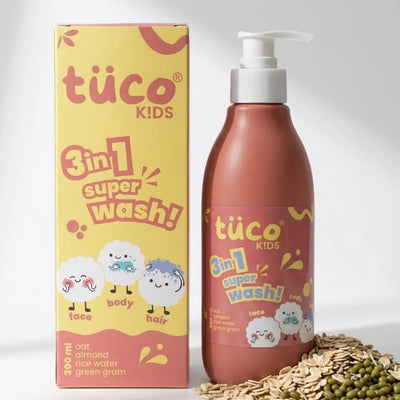
A quick face and hand wipe-down after prasad, rather than waiting until the end of the day, keeps sugar residue from sitting on skin for hours. At the end of each pooja day, a gentle cleanse followed by a barrier-supporting lotion resets skin before sleep, undoing most of the day's accumulated exposure to smoke, sweat, and residue in one simple step. This doesn't need to be more elaborate than a normal bath-time routine — the key is not skipping it on the busiest festival days, which is exactly when it's easiest to let slide and exactly when skin needs it most.
Removing Festive Makeup Properly
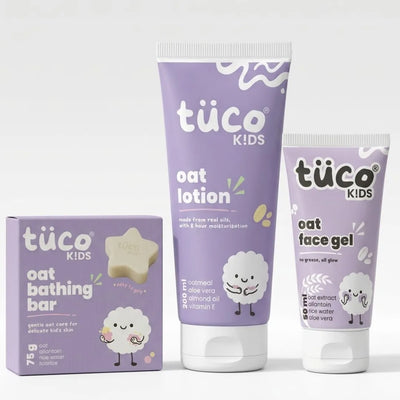
If your child wore play makeup or a bit of kajal for the festivities, gentle removal matters more than most parents expect — rubbing at makeup with a dry towel or leaving it on overnight causes far more irritation than the makeup itself typically does. A soft, damp cloth with a gentle cleanser lifts most products without needing to scrub, and finishing with a calming, oat-based formula helps if skin looks a little pink or reactive afterward, which is common around the eyes and lips where skin is thinnest.
Shop 3-in-1 Oat Kit →

Festive Clothes and Jewelry Irritation
ganpati festival self care kids routines often overlook clothing and jewelry, but stiff festive fabric and unfamiliar metal jewelry worn for hours at a stretch are common, if minor, sources of irritation. A light cotton layer underneath festive wear reduces direct friction against skin, and removing jewelry as soon as the pooja or event is over — rather than leaving it on all day — limits how long any reactive skin stays irritated. If a spot under jewelry or a waistband looks red by evening, it usually resolves on its own within a day once the item is removed and the area is gently cleansed.
A Few Tuco Products for Festival Days
| Ingredients | Tuco Product | Key Features | Age-wise Recommendation |
|---|---|---|---|
| Turmeric, Kakadu Plum, almond oil | 3-in-1 Bath Kit | Daily soap, lotion, and face cream — a full end-of-day reset | 3–15 years |
| Oat extract, aloe vera | 3-in-1 Oat Kit | Calming, barrier-repair formula for makeup or jewelry irritation | 2–15 years, best for toddlers |
| Saffron, sandalwood, turmeric | 3-in-1 Kumkumadi Kit | A gentle, festive finishing touch once skin has calmed | 4–15 years |
When to See a Doctor
Most festival-related skin irritation is mild and resolves within a day or two of consistent, gentle care. See a doctor if a rash spreads, blisters, or shows signs of infection, if your child seems to be in significant discomfort, or if irritation from the same source — jewelry, a particular fabric, a specific product — keeps recurring each year, since that pattern can point to a genuine sensitivity worth identifying.
FAQs
Why does my child's skin get more reactive over a multi-day festival?
Sugar residue from prasad, incense smoke, new festive fabric, and disrupted sleep each add a small amount of strain that accumulates over several consecutive days.
What's a simple ganesh chaturthi skin care routine for busy festival days?
A quick wipe-down after prasad and a gentle end-of-day cleanse and moisturize covers most of what's needed without adding an elaborate new routine.
How should I remove festive makeup from my child's face?
Use a soft, damp cloth with a gentle cleanser rather than rubbing with a dry towel, and follow with a calming formula if skin looks pink afterward.
Can incense or agarbatti smoke actually irritate a child's skin?
Yes, repeated daily exposure during aarti can be mildly drying or irritating to sensitive skin and eyes, especially over a multi-day festival.
Does disrupted sleep during the festival actually affect skin?
Yes — skin does much of its repair during sleep, so a week of later bedtimes and earlier wake-ups for aarti can leave skin looking more reactive by the later festival days.
How do I keep kids hydrated during a long outdoor visarjan procession?
Build in deliberate water breaks rather than waiting for a child to ask, since kids often get too absorbed in the excitement to notice they're thirsty.
What pooja day skincare for kids helps with jewelry irritation?
Removing jewelry promptly after the event and gently cleansing the area helps most mild jewelry-related irritation resolve within a day.
When should I be concerned about skin irritation during the festival?
See a doctor if a rash spreads, blisters, shows signs of infection, or causes significant discomfort that doesn't improve with simple home care.