




Best Chaniya Choli & Navratri Outfits for Kids
Last updated: August 26, 2026
Somewhere around the second hour of garba practice, every parent learns the same lesson: a stunning chaniya choli for kids that looks incredible standing still can become a genuine liability the moment a child starts spinning, twirling, and doing the specific footwork garba actually demands. Outfit choice for Navratri isn't really a styling question so much as an engineering one — the outfit has to survive real, sustained movement, often for hours, often on multiple nights in a row.
That's the lens worth applying to any navratri outfit for kids decision, whether it's a traditional Gujarati chaniya choli, a Rajasthani-style ghagra, or a simpler kurta. Photos happen for five minutes; the dancing happens for hours, and the outfit needs to work for both.
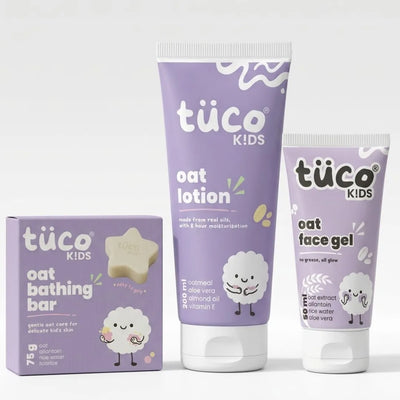
Tuco Kids tip: New festive fabric, sequins, and embroidery worn for hours of dancing is a common source of skin irritation — a soft cotton layer underneath and a gentle end-of-night cleanse make a real difference.

Contents
- What a Chaniya Choli Actually Is
- Regional Outfit Styles Beyond Gujarat
- What Makes an Outfit Actually Dance-Ready
- Fabric and Weight Considerations
- Choosing by Age
- Dressing for Multiple Nights Without Nine Outfits
- Accessories That Actually Hold Up to Dancing
- Skin Comfort After a Long Dancing Night
- FAQs
- Related Reads
What a Chaniya Choli Actually Is
A chaniya choli is a traditional three-piece Gujarati outfit consisting of a chaniya (a full, often heavily pleated and flared skirt), a choli (a fitted, usually short-sleeved or sleeveless blouse), and a dupatta (a long scarf, often draped across the body or over the head). The flare of the chaniya isn't just decorative — it's functionally central to garba and dandiya dancing, where the skirt is meant to flow, twirl, and catch the eye during the characteristic spinning movements of the dance. This is a genuinely different design goal from most festival wear, which is typically built for standing, sitting, and walking rather than sustained, energetic spinning.
Regional Outfit Styles Beyond Gujarat
While the chaniya choli is most closely associated with Gujarat and has become something close to the default "Navratri outfit" nationally due to the popularity of garba, other regions bring their own traditional dress to the festival. In Rajasthan, a similar flared-skirt silhouette appears as the ghagra choli, often with distinct regional embroidery styles like gota-patti or mirror work that differ visually from Gujarati chaniya choli patterns even though the basic structure is similar. In many North Indian households observing Navratri through kanya pujan and general festive dressing rather than garba specifically, a simpler lehenga-choli or even a nice kurta-pajama for boys is common, without the specific dance-oriented design considerations a chaniya choli involves. Boys across most regions typically wear a kediyu (a traditional flared, frock-like Gujarati top) paired with a dhoti or churidar for garba specifically, which offers a similar functional benefit to the chaniya's flare — freedom of movement for the dance's twirling steps.
What Makes an Outfit Actually Dance-Ready
A handful of practical features separate an outfit that survives a real garba night from one that only survives a photo. A properly gathered or pleated chaniya with enough flare moves well and looks better in motion, while a straighter, less full skirt tends to restrict movement and look flat during the dance's spinning steps. An elastic or drawstring waistband, rather than a fitted zip closure, matters enormously for comfort across hours of movement and for accommodating a child who's likely to have eaten a reasonable amount of festival food beforehand. Sleeve length and fit on the choli matter too — a choli that's too tight under the arms will become genuinely uncomfortable within the first twenty minutes of active dancing, regardless of how good it looks standing still.
Fabric and Weight Considerations
Navratri falls in late September or October in most years, when weather is still warm across much of India, and garba nights involve sustained physical activity — a genuinely demanding combination for fabric choice. Heavy, richly embroidered fabric looks spectacular in a store or a photo but can become uncomfortably warm and heavy during actual dancing; lighter cotton-blend or georgette chaniyas with lighter embellishment (sequins and mirror work rather than heavy embroidery or beading) tend to hold up much better across a full night of movement. For younger kids especially, prioritizing a lighter-weight outfit over a heavily embellished one is almost always the right trade-off, since a young child's tolerance for heat and heavy fabric is lower than an adult's.
Choosing by Age
Toddlers and very young kids do best in a simplified version of the traditional outfit — a lighter chaniya with minimal embellishment, an easy-to-remove choli (important for bathroom trips), and often skipping the dupatta altogether, since young kids tend to find a draped scarf more of a hindrance than a decorative element. School-age kids can generally handle a proper chaniya choli with moderate embellishment, especially if they're actually participating in garba practice and dancing rather than just wearing the outfit for a family gathering. Pre-teens, who are often more invested in how their outfit looks and more physically capable of managing a fuller, more elaborate outfit through a long dancing session, can typically wear a more adult-style chaniya choli without much practical compromise.
Dressing for Multiple Nights Without Nine Outfits
Families attending garba across multiple nights of Navratri rarely buy nine separate chaniya cholis, and there's no expectation that they should. A practical, common approach is owning two or three chaniya cholis and rotating them, sometimes swapping the choli or dupatta to create a visually different look from the same base skirt, or changing accessories and jewelry to shift the overall impression without buying an entirely new outfit. For families following the nine-colors tradition alongside their outfit choices, a small collection of colored dupattas or cholis that can be mixed and matched against a couple of base chaniyas covers most of the color rotation without needing nine full outfits.
Accessories That Actually Hold Up to Dancing
Traditional Navratri accessories — oxidized silver jewelry, bindis, bangles, and sometimes a small mirror-work bag — complete the look, but not every accessory survives active dancing equally well. Dangling earrings and loose, oversized jewelry pieces are prone to catching on clothing or coming loose during vigorous movement, and are worth avoiding for younger kids who are actually dancing rather than just posing for photos. Bangles in a comfortable, slightly loose fit (rather than a tight, decorative fit meant only for stillness) hold up better and are less likely to cause discomfort or minor bruising during the sustained arm movements garba involves. A simple, well-secured bindi and a manageable number of bangles usually strike the right balance between looking festive and actually surviving the dance floor.
Skin Comfort After a Long Dancing Night
Hours of dancing in embellished, sometimes stiff festive fabric, combined with sweating in warm weather, is genuinely hard on skin — sequins and embroidery threads can cause friction, tight waistbands and cholis can leave marks after a long night, and sweat trapped against skin under heavier fabric can lead to mild irritation, especially for kids with more sensitive skin. A soft cotton layer underneath the chaniya choli reduces direct friction against skin throughout the night, and a gentle cleanse followed by a calming, barrier-supporting moisturizer once the outfit comes off helps skin recover before the next night's dancing begins. This matters more across multiple consecutive nights of Navratri than it would for a single evening, since the cumulative effect of several nights in a row is what tends to show up as visible irritation by the festival's later days.
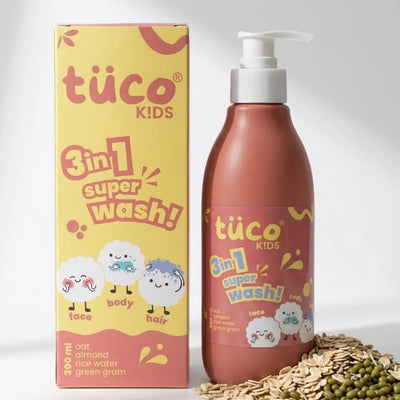
Shop 3-in-1 Oat Kit →
FAQs
What makes a chaniya choli for kids good for actual dancing, not just photos?
A well-gathered, properly flared skirt, an elastic or drawstring waistband, and a comfortably fitted choli all matter more for dance performance than embellishment or embroidery detail.
What's a comfortable navratri outfit for kids who are too young for a full chaniya choli?
A simplified version with minimal embellishment and an easy-to-remove choli, often without a dupatta, works well for toddlers and very young kids.
Is a navratri dress for kids the same as a chaniya choli?
Not necessarily — "navratri dress" can refer to a chaniya choli, a simpler lehenga-choli, a kurta-pajama, or regional variants like a Rajasthani ghagra choli, depending on the family's tradition and the occasion.
How do I dress my child for garba across multiple nights without buying nine outfits?
Owning two or three base outfits and rotating accessories, dupattas, or cholis to vary the look is a common, practical approach most families use.
What fabric works best for a chaniya choli in warm Navratri weather?
Lighter cotton-blend or georgette fabrics with sequin or mirror-work embellishment tend to hold up better through active dancing than heavy embroidery or beading.
Why does my child's skin look irritated after a night of garba dancing?
Friction from embellished fabric, tight waistbands, and trapped sweat under heavier clothing can all contribute to mild irritation, which usually resolves with a gentle cleanse and moisturizer.
What accessories are safe for kids who are actively dancing, not just posing?
Simple, well-secured bindis and comfortably fitted bangles hold up well, while dangling earrings and oversized loose jewelry are more prone to catching or causing discomfort during active movement.